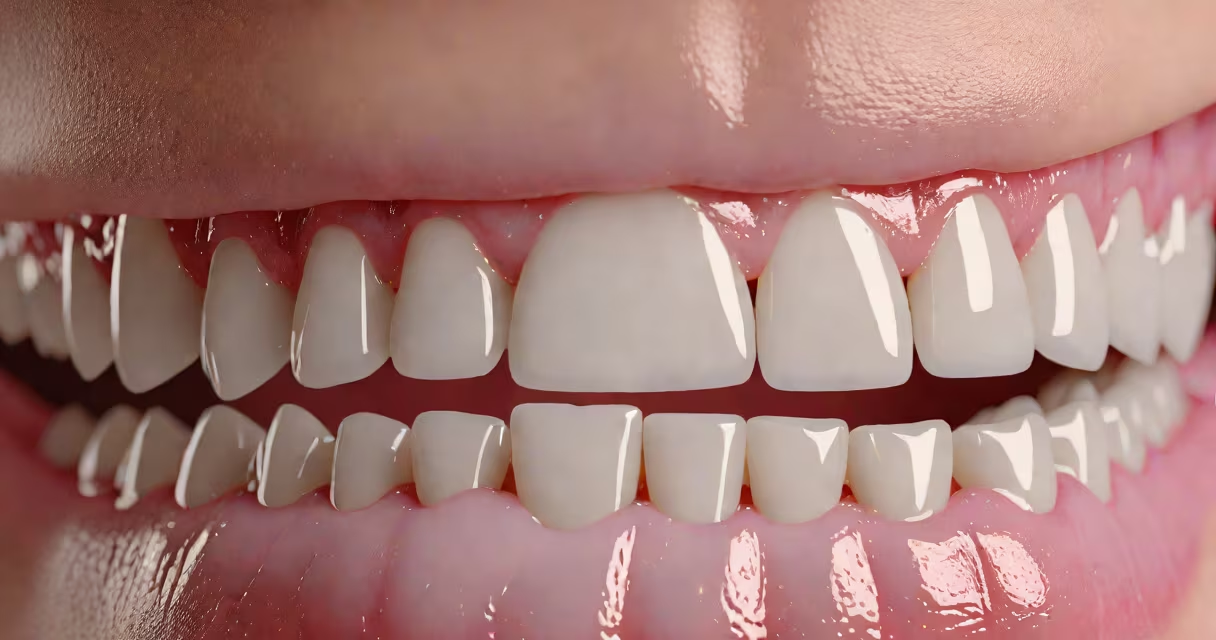
Gums appear white due to reduced blood flow, tissue thinning, or fungal overgrowth-common signs of infection, nutritional deficiency, or oral thrush. This condition often results from poor hygiene, systemic illness, or medication side effects.
Healthy gums are typically a consistent pink color. When they turn white, it indicates a disruption in normal tissue structure or circulation. The change can occur gradually or appear suddenly, depending on the underlying cause. White gums are not a normal variation and should be evaluated by a dental professional if persistent.
According to the American Dental Association (ADA), changes in gum color are among the earliest indicators of oral disease. A 2021 review in the Journal of Clinical Periodontology noted that mucosal pallor-especially in the gingiva-is linked to anemia, chronic inflammation, and autoimmune conditions. Early detection improves outcomes.
White gums form when the capillaries beneath the gum surface become less visible. This occurs when the epithelial layer thins, blood supply decreases, or abnormal cells replace healthy tissue. Infections, trauma, or immune responses can trigger these changes.
Oral thrush-a fungal infection caused by Candida albicans-frequently presents as white patches on the gums, tongue, or inner cheeks. These patches are often raised, can't be wiped off, and may bleed slightly when disturbed. The Centers for Disease Control and Prevention (CDC) reports that thrush affects about 20% of people using inhaled corticosteroids and 30% of those with weakened immune systems.
A common mistake is assuming white patches are just food residue. Unlike debris, true oral lesions don't come off with brushing. If white areas persist after rinsing and cleaning, they're likely pathological.
Several distinct conditions lead to white gums. Not all involve infection. Some stem from internal health issues. Understanding the root cause determines treatment.
| Type | Appearance | Common Causes | Key Distinction |
|---|---|---|---|
| Thrush (oral candidiasis) | Soft, creamy white patches; may spread | Antibiotics, steroids, dry mouth, diabetes | Patches don't wipe away; often painful |
| Anemic pallor | Uniform whiteness; gums feel soft | Iron deficiency, vitamin B12 lack, chronic disease | Often accompanied by fatigue, cold hands |
| Leukoplakia | Thick, white, flat or slightly raised patches | Tobacco use, chronic irritation, HPV | Can't be scraped; potential precancerous |
| Reactive gingival atrophy | Localized thinning; white at gumline | Over-brushing, aggressive flossing, orthodontic pressure | Usually painless; seen near brackets or crowns |
One non-obvious factor: certain medications reduce saliva production. Dry mouth increases risk of thrush and gum irritation. Drugs like antihypertensives, antidepressants, and antihistamines are frequently associated with oral side effects. A 2020 study in the Journal of Oral Biology and Craniofacial Research found that 62% of patients on long-term antipsychotics developed oral mucosal changes, including white patches.
White gums aren't always urgent-but they shouldn't be ignored. Persistent white areas, especially with pain, bleeding, or difficulty eating, require evaluation. The American Academy of Periodontology recommends seeing a dentist within two weeks of noticing color changes.
I once saw a patient with white patches along the lower gumline who had stopped using a prescription mouthwash due to discomfort. After restarting it under supervision, the white areas faded in six days. The issue wasn't infection-it was irritation from a high-alcohol formulation. That case highlighted how treatment depends on identifying the true trigger.
If you have diabetes, HIV, or are undergoing chemotherapy, white gums are more likely to signal infection. The CDC warns that immunocompromised individuals are at higher risk for severe oral complications. Early intervention reduces progression to ulceration or tooth loss.
Many assume white gums are simply "dry" or "dehydrated." While dehydration can make tissues look dull, it doesn't cause uniform whitening. True paleness stems from structural or circulatory changes-not lack of moisture.
Another myth: white gums mean you're brushing too hard. Over-brushing can wear down enamel and cause recession, but it rarely turns gums white. Instead, it leads to redness, sensitivity, and exposed roots. White gums from mechanical trauma are rare and usually localized.
Some confuse white spots with plaque. Plaque appears as grayish-yellow buildup, not pure white. It's removable with proper brushing. White spots that remain after cleaning are not plaque-they're tissue changes.
First, stop using harsh mouthwashes or abrasive toothpaste. Switch to a soft-bristled brush and gentle technique. Rinse with warm salt water twice daily to soothe irritation.
If white patches persist beyond 7-10 days, schedule a dental visit. A dentist may take a swab to test for Candida or perform a biopsy if leukoplakia is suspected. Treatment varies: antifungal lozenges for thrush, iron supplements for anemia, or referral to a specialist for suspicious lesions.
For mild cases, improving nutrition helps. Iron-rich foods like spinach, lentils, and red meat support hemoglobin levels. Vitamin B12 is found in animal products-deficiency is common in vegetarians and older adults. The National Institutes of Health (NIH) states that up to 15% of adults over 60 have low B12, which correlates with oral mucosal changes.
Early diagnosis prevents complications. A 2019 study in the International Journal of Dentistry found that patients who sought care within four weeks of symptom onset had a 70% faster recovery rate than those who delayed.
Understanding why your gums look white begins with observation and ends with professional assessment. The condition isn't normal, but it's treatable when addressed early.