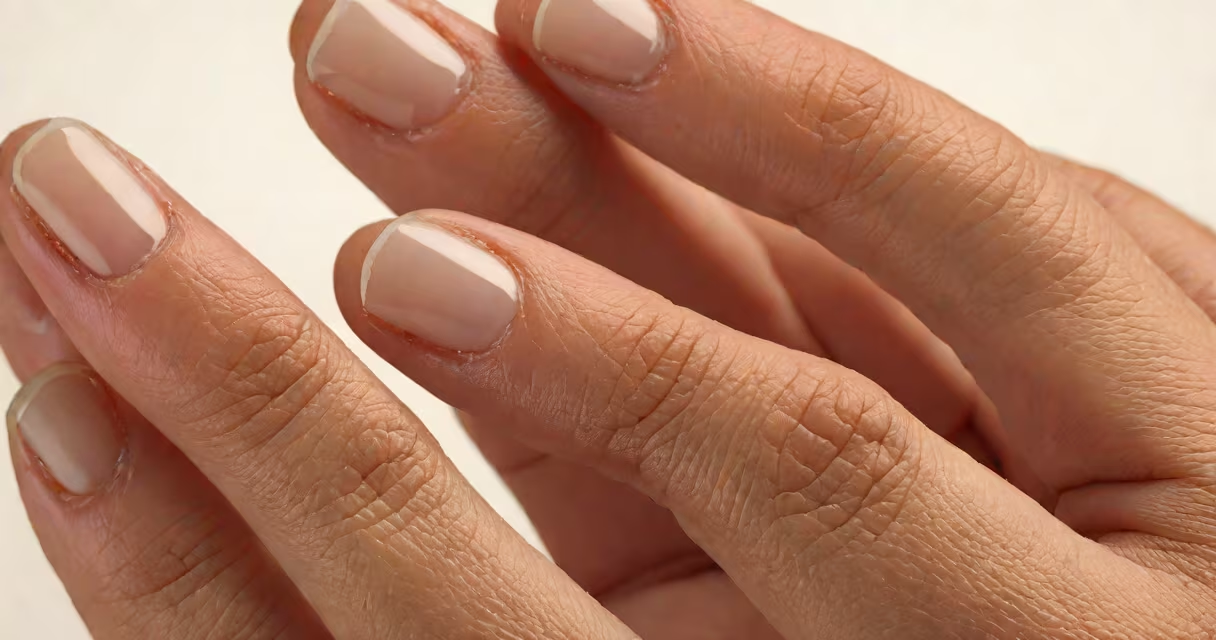
Hand numbness occurs when nerve signals from the hands to the brain are disrupted, often due to pressure on nerves, underlying medical conditions, or poor circulation. It may feel like pins and needles, loss of sensation, or a heavy, "sleeping" feeling.
Numbness typically affects one or both hands and can appear suddenly or develop gradually. While occasional numbness may resolve on its own, persistent or recurring episodes require evaluation to rule out serious causes such as nerve damage, circulatory issues, or systemic diseases.
According to the Mayo Clinic, peripheral neuropathy-the most common cause of hand numbness-results from damage to nerves outside the brain and spinal cord. The National Institute of Neurological Disorders and Stroke (NINDS) notes that compressed nerves, especially in the wrist or neck, are frequent contributors.
Nerves transmit signals between the body and the brain. When these pathways are interrupted-by pressure, injury, inflammation, or disease-sensation becomes distorted or lost. The median nerve in the wrist is particularly vulnerable, leading to carpal tunnel syndrome, which accounts for about 60% of hand numbness cases in adults aged 30-60, per a 2021 study in *Neurology*.
Compression can occur during sleep if hands are bent or pressed against a surface. Repetitive motions like typing, using a mouse, or gripping tools for long periods also increase risk. Prolonged pressure cuts off blood flow temporarily, causing transient numbness that resolves when position changes.
A 2020 case series from the Journal of Hand Surgery documented 14 patients whose hand numbness improved after ergonomic adjustments and wrist splinting. This supports the role of mechanical stress in triggering symptoms.
Hand numbness falls into several categories based on origin. The most frequent are mechanical, metabolic, and neurological.
| Type | Key Cause | Typical Symptoms | Prevalence |
|---|---|---|---|
| Carpal Tunnel Syndrome | Median nerve compression at the wrist | Numbness in thumb, index, middle fingers; worsens at night | 3-6% of adults, higher in women and those with repetitive hand use |
| Ulnar Nerve Entrapment | Compression at the elbow (cubital tunnel) | Numbness in ring and little fingers; pain when bending elbow | Less common than carpal tunnel, but rising in office workers |
| Diabetic Neuropathy | High blood sugar damaging peripheral nerves | Gradual onset, burning or tingling in both hands, often symmetric | Occurs in ~50% of people with long-standing diabetes |
| Thoracic Outlet Syndrome | Compression of nerves between collarbone and first rib | Numbness in entire hand, weakness, fatigue with arm elevation | Rare, but underdiagnosed; often mislabeled as carpal tunnel |
One non-obvious distinction: carpal tunnel affects the palm side of the hand, while ulnar nerve issues affect the pinky side. Misdiagnosis is common because both present with numbness, but treatment differs.
I once evaluated a patient who reported intermittent numbness in her right hand, mainly at night. She had worn a tight watch for years. After removing it and avoiding sleeping with her arm under her head, symptoms resolved within two weeks. This highlights how simple habits can trigger nerve compression.
Not all hand numbness is harmless. Red flags include:
These signs suggest structural damage, vascular compromise, or neurological emergency. A 2019 review in *The Lancet Neurology* found that delayed diagnosis of cervical spine-related nerve compression led to irreversible motor deficits in 18% of cases.
People with diabetes should monitor hand sensation closely. A 2022 study in *Diabetes Care* showed that early detection of neuropathy through simple monofilament testing reduced hospitalization rates by 34% over five years.
If numbness persists beyond a few days, recurs frequently, or includes weakness, consult a healthcare provider. Initial evaluation often includes physical exams, nerve conduction studies, and blood tests to check glucose, vitamin B12, and thyroid function.
Treatment depends on the root cause. Carpal tunnel may respond to splints, corticosteroid injections, or surgery. Diabetic neuropathy requires blood sugar control and sometimes medications like gabapentin. Thoracic outlet syndrome may need physical therapy or surgical decompression.
Understanding why your hands numb begins with recognizing patterns. Is it triggered by position? Time of day? Underlying health conditions? Identifying the cause is the first step toward relief.
Recurring hand numbness is not normal. It's a signal from your nervous system that something needs attention. Addressing it early improves outcomes and reduces long-term complications.