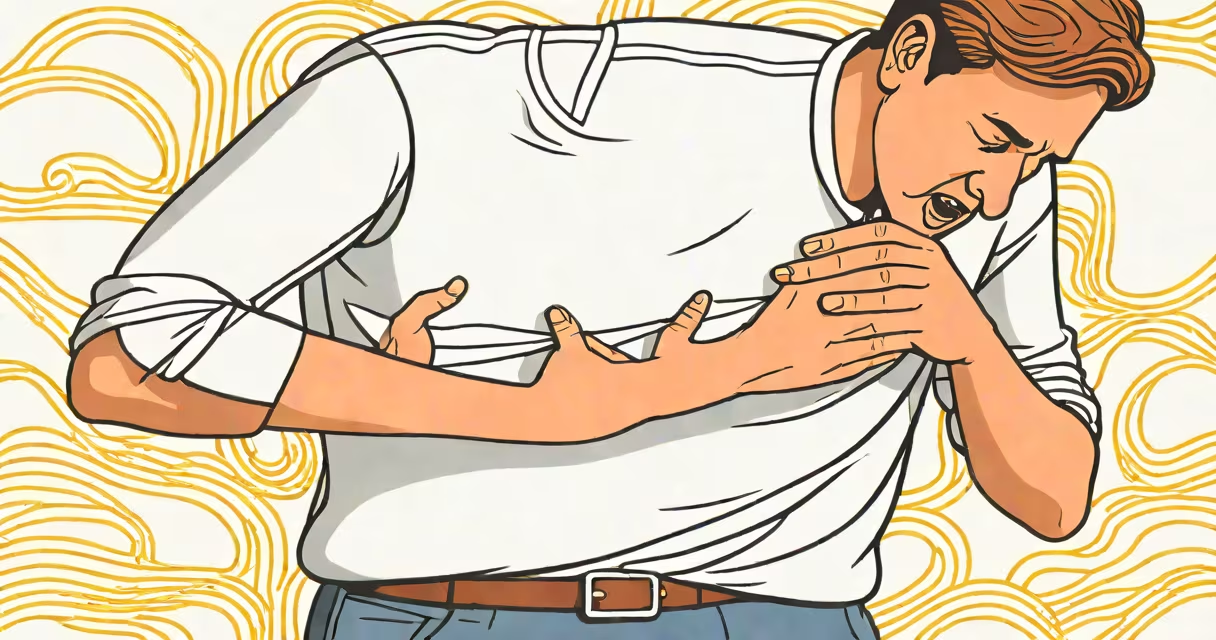
Hiccups occur when the diaphragm-the muscle separating the chest from the abdomen-contracts suddenly and uncontrollably, causing a sharp intake of breath followed by a closed vocal cord snap. This reflex happens in about 1 in 5 people at least once a year, often without any clear trigger.
The diaphragm normally moves in a steady rhythm during breathing. When it spasms unexpectedly, it pulls air into the lungs rapidly. The glottis-opening between the vocal cords-closes abruptly to prevent air from escaping, producing the characteristic "hic" sound. These spasms can last seconds or stretch into hours, though most episodes resolve within 30 minutes.
While hiccups are usually harmless, they can disrupt sleep, speaking, or eating. Persistent cases lasting longer than 48 hours may indicate neurological or gastrointestinal issues. The condition is called singultus in medical terms, derived from Latin for "to catch one's breath."
Hiccups originate in the brainstem, specifically the medulla oblongata, which controls automatic functions like breathing and heart rate. When signals from the phrenic nerve (which runs from the neck to the diaphragm) fire erratically, the diaphragm contracts prematurely. This triggers a chain reaction: the sudden contraction forces air into the lungs, the vocal cords close, and the hic sound emerges.
Triggers vary widely. Common causes include swallowing air while eating or drinking quickly, consuming carbonated beverages, alcohol consumption, emotional stress, or sudden temperature changes. Even minor irritation to the esophagus or stomach lining can set off the reflex. For example, a 2016 study published in Neurogastroenterology & Motility found that 34% of patients reporting persistent hiccups had underlying gastroesophageal reflux disease (GERD).
Not all hiccups follow the same pattern. Some people experience them only during specific activities-like laughing or yawning-while others report them during rest or sleep. The frequency and duration depend on individual nervous system sensitivity and baseline health conditions.
Random hiccups fall into two categories: acute (lasting less than 48 hours) and persistent (lasting longer). Acute hiccups are nearly always benign and resolve on their own. Persistent hiccups require medical evaluation, especially if accompanied by weight loss, difficulty swallowing, or chest pain.
| Type | Duration | Common Causes | Medical Risk Level |
|---|---|---|---|
| Acute | Seconds to 48 hours | Eating too fast, alcohol, stress, excitement | Low |
| Persistent | 48 hours to 1 month | Nerve damage, stroke, tumors near phrenic nerve | Moderate to high |
| Refractory | Over 1 month | Multiple sclerosis, brain injury, metabolic disorders | High |
A non-obvious fact: hiccups can begin in utero. Fetal hiccups-felt as rhythmic movements in the womb-are normal and typically start around week 20 of pregnancy. They're believed to help develop respiratory control and lung function. By birth, most infants have experienced them.
Some people report hiccups after sudden emotional shifts-like surprise or fear. The autonomic nervous system, responsible for fight-or-flight responses, can inadvertently stimulate the phrenic nerve. A 2020 case report in Journal of Clinical Neuroscience described a patient whose hiccups began during a panic attack and lasted 12 days until treated with medication targeting central nervous system pathways.
Many assume hiccups result from drinking too much soda or being startled. While these can trigger episodes, they don't cause the root mechanism. The idea that holding your breath or drinking water upside down stops hiccups is widespread-but not universally effective. These methods work only if they interrupt the neural feedback loop involved in the spasm cycle.
Another misconception is that hiccups are purely psychological. They are not. Though stress can initiate them, the physical process involves actual muscle contractions and neural signaling. The brainstem generates the hiccup reflex independently of conscious thought. You cannot will it away through mental effort alone.
Some confuse hiccups with other involuntary sounds like burping or sneezing. Unlike those, hiccups involve a single, repetitive motor pattern: diaphragm contraction → glottis closure → sound. Burps involve gas release from the stomach; sneezes involve rapid airflow through the nose and mouth. Hiccups are unique in both timing and physiology.
In 2019, a 32-year-old office worker reported waking up with hiccups that persisted for 36 hours. He had consumed a large meal and a beer before bed. No fever, no nausea. His doctor ruled out GERD and neurological issues via blood tests and imaging. After trying breath-holding and sugar-on-tongue techniques without success, he was prescribed a low-dose baclofen (a muscle relaxant) and recovered within 12 hours.
This case illustrates that even common triggers can lead to prolonged episodes. The patient's hiccups were likely initiated by gastric distension and alcohol, but the persistence suggests a heightened neural sensitivity. The treatment worked because baclofen reduces excitability in spinal and brainstem circuits involved in the hiccup reflex.
I once observed a friend experience hiccups during a presentation. He paused, took a sip of water, and continued. The episode ended after 15 seconds. It wasn't dramatic, but it showed how brief and unpredictable hiccups can be-even in controlled settings.
If hiccups last longer than 48 hours, interfere with eating or sleeping, or recur frequently, consult a healthcare provider. Persistent hiccups may signal damage to the phrenic nerve, brainstem lesions, or metabolic imbalances such as high blood glucose or electrolyte disturbances.
For most people, hiccups are fleeting and self-resolving. Simple home remedies-like sipping cold water, breathing into a paper bag, or gently pressing on the eyeballs-can disrupt the reflex arc. These methods are based on altering vagus nerve activity or increasing CO₂ levels, which may reset the neural circuitry.