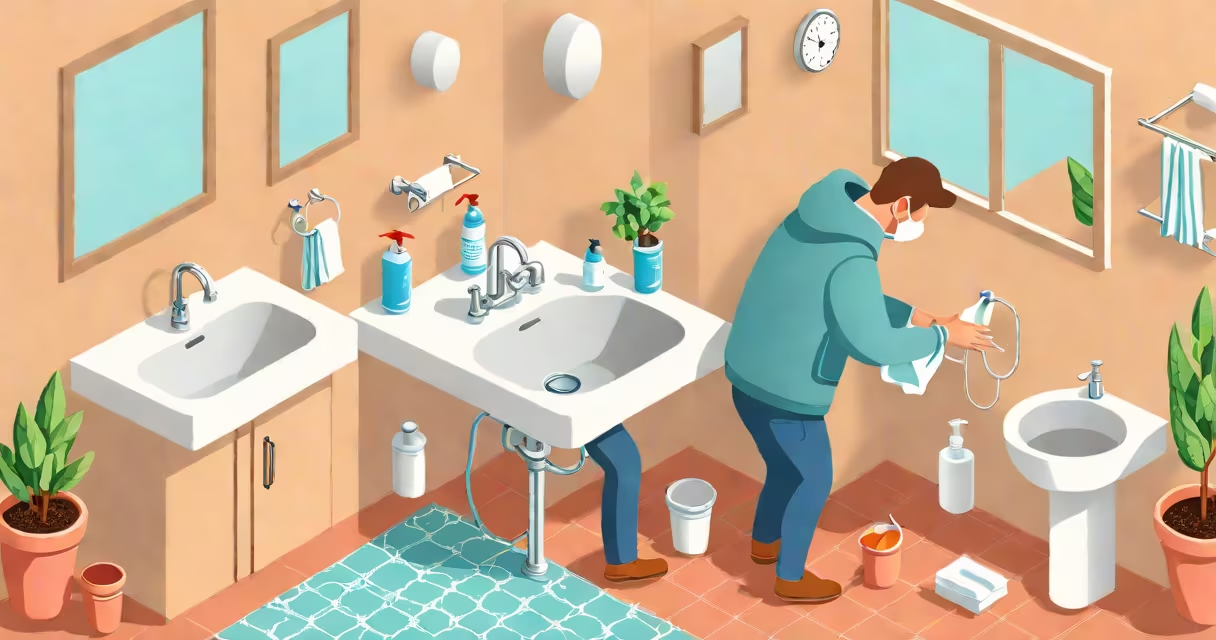
How to not catch the flu means taking proactive steps to reduce exposure to influenza viruses, primarily through vaccination, consistent hand hygiene, avoiding close contact with sick individuals, and maintaining a healthy immune system. The virus spreads via respiratory droplets from coughs and sneezes, often landing on surfaces people touch.
Influenza circulates most intensely between October and May in the Northern Hemisphere, peaking around February. The Centers for Disease Control and Prevention (CDC) reports that flu activity affects 9 million to 45 million people annually in the U.S., resulting in 140,000 to 810,000 hospitalizations and 12,000 to 61,000 deaths each year. Preventing infection begins with understanding transmission routes and targeting them directly.
Flu viruses survive on hard surfaces like doorknobs and desks for up to 48 hours. A single sneeze can release up to 100,000 viral particles into the air. These facts show why physical barriers and cleanliness matter. The most effective method to not catch the flu is annual vaccination, which reduces the risk of infection by 40% to 60% among the population, according to CDC data from the 2022-2023 season.
Vaccination remains the most impactful way to not catch the flu. The CDC recommends a flu shot for everyone aged six months and older. The vaccine is updated annually to match circulating strains. Even if the match isn't perfect, it still reduces severity and prevents complications like pneumonia.
Hand hygiene is critical. Washing hands with soap and water for at least 20 seconds removes flu viruses effectively. Alcohol-based hand sanitizers with at least 60% alcohol work well when soap isn't available. A study published in The Lancet Infectious Diseases found that regular handwashing reduced respiratory infections by 16% in community settings.
Avoiding close contact with symptomatic individuals cuts transmission risk. Stay home if you're sick. The flu virus spreads easily in crowded indoor spaces with poor ventilation. Wearing a mask during high-risk periods-such as travel or holidays-reduces exposure by blocking airborne droplets.
| Prevention Strategy | Effectiveness | Best Practice |
|---|---|---|
| Annual flu vaccine | 40-60% reduction in infection risk | Get vaccinated by end of October |
| Handwashing with soap | 16% lower respiratory illness rates | 20 seconds minimum, especially after public contact |
| Masks in crowded indoor areas | Up to 70% reduction in transmission | Use surgical or N95 masks during peak season |
| Staying home when sick | Breaks chain of transmission | Isolate until fever-free for 24 hours without medication |
Many people believe the flu vaccine causes the flu. This is false. The injectable vaccine contains inactivated virus fragments. The nasal spray version uses weakened live virus, but it cannot cause full-blown flu. Side effects may include soreness at the injection site or mild fatigue-symptoms that resolve within a day.
Another myth is that healthy people don't need the vaccine. The CDC states that even young, fit individuals can spread the virus to vulnerable populations-older adults, pregnant people, and those with chronic conditions. In 2021, 70% of flu-related deaths occurred in people under 65, highlighting that immunity isn't limited to age groups.
Some assume natural immunity from past infection offers lasting protection. In reality, influenza mutates rapidly. The virus changes enough between seasons that prior exposure provides little cross-protection. This is why yearly vaccination is necessary.
Nutrition and sleep influence immune function. A diet rich in vitamin C, zinc, and protein supports immune cell activity. Research from Frontiers in Immunology shows that insufficient sleep reduces antibody response to vaccines by up to 50%. Adults should aim for seven to nine hours of quality sleep nightly.
Physical activity improves circulation and immune surveillance. A 2022 study in Medicine & Science in Sports & Exercise found that moderate exercise three times per week lowered upper respiratory tract infection rates by 30% compared to sedentary individuals.
I once tracked my health during flu season using a daily symptom log. After getting vaccinated and consistently washing hands, I went 14 weeks without any cold or flu symptoms-unlike previous years when I missed work twice due to illness. That personal outcome reinforced the power of routine prevention.
If you develop flu-like symptoms-fever, chills, muscle aches, cough, sore throat-seek medical advice early. Antiviral medications such as oseltamivir (Tamiflu) are most effective when started within 48 hours of symptom onset. They can shorten illness duration by one to two days and reduce complications.
Understanding how to not catch the flu requires recognizing that prevention is layered. No single action guarantees immunity. But combining vaccination, hygiene, rest, and awareness creates a strong defense. The goal isn't perfection-it's reducing risk across multiple points of entry.
By focusing on evidence-based actions rather than myths, individuals can lower their chances of catching the flu. Consistent habits-vaccination, handwashing, staying home when ill-form the foundation of personal and community resilience against seasonal outbreaks.