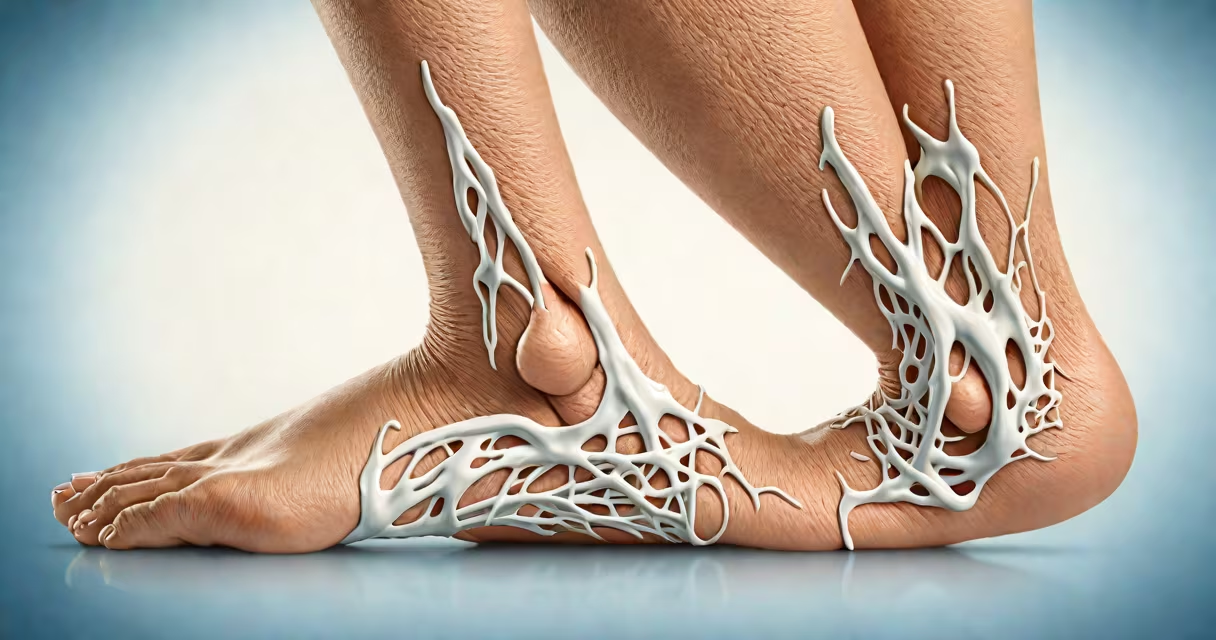
Edema occurs when excess fluid leaks from blood vessels into surrounding tissues, causing visible swelling. This happens due to disrupted balance between fluid pressure inside blood vessels and the forces pulling fluid out or returning it. The most common triggers involve heart, kidney, liver, or circulatory system dysfunction, though localized injury or medication side effects can also cause it.
Fluid moves between blood vessels and tissues through capillaries. Normally, hydrostatic pressure pushes fluid out of capillaries at their arterial ends, while oncotic pressure-created by proteins like albumin-pulls fluid back in at the venous ends. When this balance shifts, fluid accumulates in tissues. For example, low blood protein levels reduce oncotic pressure, allowing fluid to stay outside vessels. High capillary pressure forces fluid out faster than it returns.
Common underlying conditions include heart failure, where weakened pumping reduces blood flow and increases pressure in veins; kidney disease, which impairs sodium and water excretion; and liver cirrhosis, which lowers albumin production. These disorders disrupt the delicate equilibrium that keeps fluid within the vascular system. Even standing for long periods can cause temporary leg swelling due to gravity increasing venous pressure.
When fluid escapes capillaries, it pools in interstitial spaces-the area between cells. As volume increases, tissues expand visibly, especially in dependent areas like ankles, feet, or hands. Swelling may feel tight or painful, and pressing on the skin can leave a dent (pitting edema), indicating fluid buildup.
For instance, a person with congestive heart failure may wake up with swollen ankles. Their left ventricle fails to pump effectively, causing blood to back up in the pulmonary and systemic veins. This raises venous pressure, forcing fluid out of capillaries in the lower limbs. Over time, the body retains more sodium and water, worsening the condition. Studies show that 80% of patients with advanced heart failure develop peripheral edema.
Edema isn't always systemic. Localized swelling can result from trauma, infection, or inflammation. A sprained ankle causes local capillary dilation and increased permeability, allowing plasma proteins and fluid to leak into tissue. This is acute edema, resolving as healing progresses. Chronic edema, however, persists due to ongoing physiological disruption.
Edema is categorized by location and mechanism. The most common types include peripheral, pulmonary, cerebral, and generalized (anasarca).
| Type | Primary Cause | Key Mechanism | Example Condition |
|---|---|---|---|
| Peripheral | Heart or venous insufficiency | Increased venous pressure | Chronic venous insufficiency, heart failure |
| Pulmonary | Left-sided heart failure | Fluid leaks into lung alveoli | Acute pulmonary edema during cardiac arrest |
| Cerebral | Brain injury or stroke | Disrupted blood-brain barrier | Post-traumatic brain swelling |
| Generalized | Severe hypoalbuminemia | Low oncotic pressure throughout body | Nephrotic syndrome, severe malnutrition |
Peripheral edema is the most frequently seen form. It often begins in the feet and spreads upward with prolonged standing or sitting. Pulmonary edema, though less visible, is life-threatening. Fluid fills air sacs in the lungs, impairing oxygen exchange. Patients report shortness of breath, coughing, and frothy sputum. According to the American Heart Association, pulmonary edema accounts for nearly 30% of emergency visits related to heart failure.
A non-obvious distinction: edema is not the same as inflammation. While both cause swelling, inflammation involves immune cell recruitment and chemical signaling. Edema results from physical fluid shifts. A burn causes both-initial inflammation triggers fluid leakage, leading to edema. But treating the swelling doesn't resolve the inflammatory process.
Many assume edema is simply "water retention" and treat it with diuretics without addressing the root cause. Diuretics reduce fluid volume but don't fix the underlying issue. For example, using furosemide in a patient with untreated deep vein thrombosis (DVT) may temporarily reduce swelling but risks worsening clotting or causing dehydration.
Another misconception: edema only affects older adults. In reality, children can develop edema due to congenital heart defects or genetic disorders like nephrotic syndrome. A 2021 study in *Pediatrics* found that 1 in 12 children with unexplained swelling had an undiagnosed kidney disorder.
True edema requires evaluation. Sudden onset in one limb may indicate DVT. Bilateral leg swelling with fatigue suggests heart or kidney involvement. Facial swelling with proteinuria points to nephrotic syndrome. Ignoring these signs delays diagnosis and increases risk of complications like skin breakdown, infection, or respiratory failure.
I once treated a 67-year-old man who presented with progressive bilateral leg swelling over six weeks. He'd been prescribed a calcium channel blocker for hypertension. His primary care provider assumed it was medication-induced edema and reduced the dose. Swelling persisted.
Further testing revealed a serum albumin level of 2.8 g/dL (normal: 3.5-5.0 g/dL), elevated BUN and creatinine, and 4 grams of protein in his urine over 24 hours. He had nephrotic syndrome-kidney damage causing protein loss. The low albumin reduced oncotic pressure, leading to widespread edema. Treating the medication alone failed because the root cause remained untreated.
After starting angiotensin receptor blockers and dietary sodium restriction, his swelling resolved over eight weeks. This case illustrates why identifying the mechanism behind edema matters. Not all swelling responds to the same treatment.
Understanding why edema happens requires looking beyond symptoms. It's not a single disease but a sign of systemic imbalance. Correct diagnosis hinges on evaluating organ function, lab values, and history-not just visual inspection. The presence of edema demands investigation, not just symptom management.
Recognizing the underlying cause of edema prevents unnecessary treatments and improves outcomes. Whether due to heart strain, kidney dysfunction, or medication side effects, the path to resolution lies in accurate assessment. Addressing the root issue-rather than just the swelling-is essential for lasting recovery.
Edema happens when fluid regulation fails. The body maintains precise control over fluid distribution via pressure gradients, protein concentration, and organ function. Disruption anywhere in this system leads to abnormal fluid accumulation. Knowing why edema happens enables timely intervention and better health outcomes.
This guide