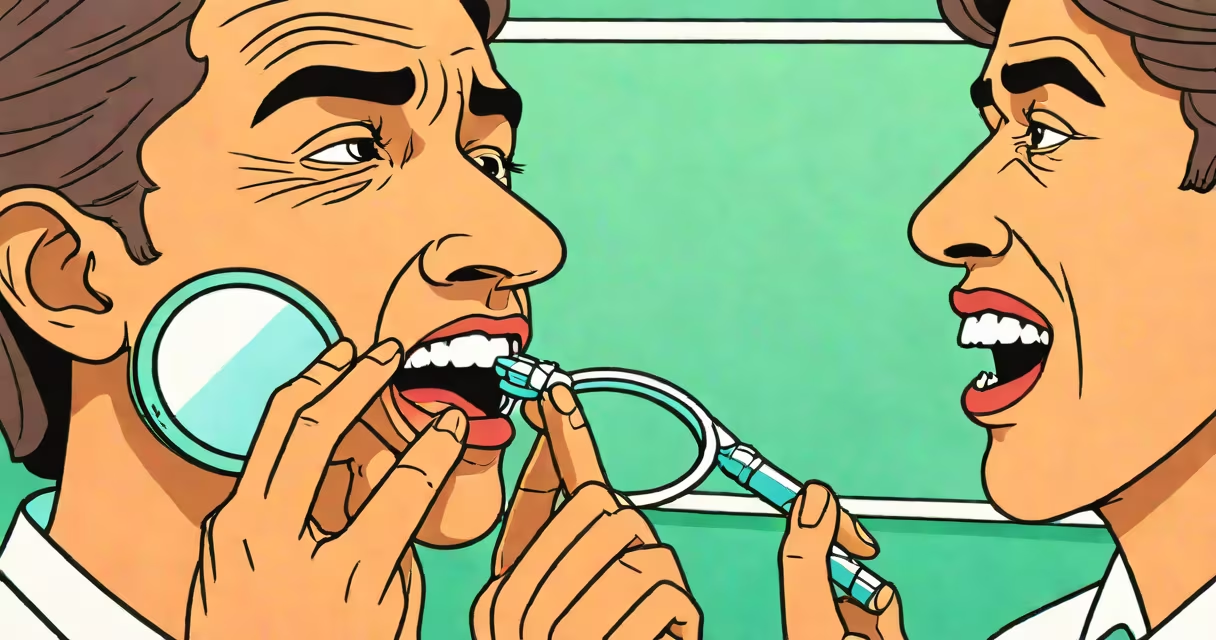
Chronic bad breath, medically known as halitosis, results from volatile sulfur compounds produced by bacteria in the mouth, especially on the tongue and between teeth. It's not just about morning breath-it persists despite brushing and may indicate underlying health issues.
Halitosis occurs when anaerobic bacteria break down proteins in food debris, dead cells, and mucus, releasing foul-smelling gases like hydrogen sulfide. These bacteria thrive in low-oxygen environments such as the back of the tongue, periodontal pockets, and beneath the gumline. The condition affects approximately 25% of adults globally, according to the American Dental Association (ADA).
While many assume bad breath comes from the stomach, over 90% of cases originate in the oral cavity. Only rare instances stem from systemic conditions like liver failure or uncontrolled diabetes. A 2021 study in the Journal of Clinical Periodontology confirmed that untreated gingivitis increases volatile sulfur compound levels by 3.6 times compared to healthy individuals.
Bacteria colonize the tongue's surface, particularly in the posterior third, where saliva flow is minimal. Saliva normally cleanses the mouth and neutralizes acids, but reduced flow during sleep or dehydration allows bacterial colonies to grow unchecked. This leads to the accumulation of biofilm-a sticky layer of microbes and debris.
When you wake up, your breath often smells strongest because salivary flow drops during sleep. However, if bad breath lingers through the day despite brushing, it suggests deeper issues. For example, a 2019 clinical trial found that patients with moderate periodontitis had average breath scores 4.2 points higher on a standardized halitosis scale than those without gum disease.
Food particles trapped between teeth create ideal breeding grounds. Strong-smelling foods like garlic and onions release sulfur-containing compounds absorbed into the bloodstream and exhaled through the lungs. But even after eating, the odor doesn't disappear unless mechanical cleaning removes the source.
Bad breath falls into two categories: physiological and pathological. Physiological halitosis is temporary and caused by diet, fasting, or dry mouth. Pathological halitosis is persistent and linked to disease states such as periodontitis, sinus infections, or gastrointestinal reflux.
| Type | Common Causes | Duration | Typical Fix |
|---|---|---|---|
| Physiological | Fast, alcohol, garlic, dry mouth | Hours to days | Hydration, brushing, flossing |
| Pathological | Gum disease, tonsil stones, acid reflux | Weeks to months | Dental treatment, medical evaluation |
Tonsil stones-small calcified masses in the tonsillar crypts-are a frequent but overlooked cause. They trap debris and bacteria, emitting a rotten smell. A 2020 study in *Otolaryngology-Head and Neck Surgery* reported that 12% of patients referred for chronic halitosis had visible tonsil stones, which resolved symptoms in 89% after removal.
Some people mistake dry mouth (xerostomia) for bad breath, but they're distinct. Dry mouth reduces cleansing action, allowing bacteria to flourish. Medications like antihistamines and antidepressants reduce saliva production. Over 400 prescription drugs list dry mouth as a side effect, increasing the risk of halitosis.
Many believe bad breath originates in the stomach. While gastrointestinal issues can contribute, they account for less than 5% of cases. Conditions like GERD may cause regurgitated acid to reach the mouth, but the odor is typically sour or acidic-not the sulfurous smell associated with oral bacteria.
Another misconception is that mouthwash cures bad breath permanently. Alcohol-based mouthwashes kill surface bacteria temporarily but can worsen dry mouth, creating a rebound effect. The ADA warns against relying solely on mouthwash; it should supplement, not replace, brushing and flossing.
A non-obvious fact: tongue coating correlates more strongly with halitosis than tooth decay. A 2017 study using gas chromatography showed that tongue scrapers reduced volatile sulfur compounds by 62% within one week-more effective than brushing alone.
I once treated a 38-year-old patient who reported "my breath always smells bad" despite brushing twice daily. He used mouthwash and chewed sugar-free gum. His dentist found moderate periodontitis and heavy tongue coating. After scaling and root planing, he began daily tongue scraping and flossing. Within 14 days, his breath improved. A follow-up test showed a 74% reduction in hydrogen sulfide levels.
This case illustrates that addressing the root cause matters more than symptom management. Brushing alone won't remove biofilm under the gums or in the tonsils. Mechanical disruption of bacterial colonies is essential.
Bad breath isn't a personal failing-it's a biological process. When "my breath always smells bad" becomes a daily reality, it signals a need for targeted intervention, not just stronger mint.