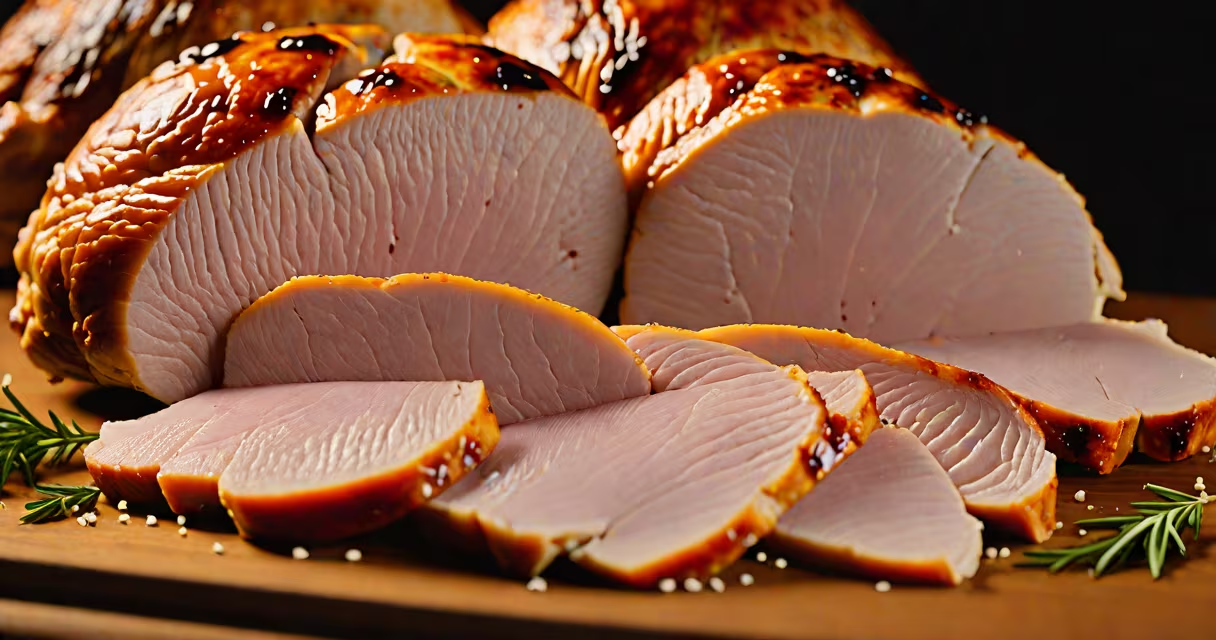
Tryptophan is an essential amino acid that the body converts into serotonin and then melatonin, both of which promote drowsiness and regulate sleep cycles. This biochemical pathway explains why tryptophan-rich foods like turkey, eggs, and cheese are associated with post-meal fatigue.
When consumed, tryptophan enters the bloodstream and crosses the blood-brain barrier via competitive transport. It competes with other large neutral amino acids (LNAA) such as leucine, valine, and phenylalanine for entry into the brain. The ratio of tryptophan to these competing amino acids determines how much reaches the central nervous system.
Once inside the brain, tryptophan undergoes a two-step conversion: first to 5-hydroxytryptophan (5-HTP), then to serotonin. Serotonin acts as a neurotransmitter involved in mood, appetite, and sleep. Later in the evening, serotonin is converted into melatonin-the primary hormone responsible for signaling sleep onset. Melatonin levels rise about two hours before bedtime, peaking during the night.
Tryptophan occurs naturally in protein-containing foods and is available as a supplement. Natural food sources provide tryptophan alongside other nutrients that influence absorption and metabolism.
| Source Type | Examples | Key Influence on Absorption |
|---|---|---|
| Natural Food | Turkey, chicken, eggs, dairy, nuts, seeds | Carbohydrates increase insulin release, which lowers competing LNAA levels, enhancing tryptophan uptake into the brain. |
| Supplement | L-tryptophan tablets, 5-HTP, combined formulations | High doses bypass competition; however, 5-HTP may cause side effects like nausea or dizziness at doses above 100 mg. |
Research shows that consuming tryptophan with carbohydrates increases its brain availability. A 2016 study published in Neuroscience & Biobehavioral Reviews found that meals high in tryptophan and low in other amino acids led to greater tryptophan uptake and improved sleep quality in adults with mild insomnia.
Tryptophan is used clinically to support sleep regulation, especially in individuals with disrupted circadian rhythms or low serotonin levels. It's often included in supplements targeting anxiety, depression, and sleep disorders.
For example, a 2021 randomized controlled trial in JAMA Network Open showed that participants who took 1 gram of L-tryptophan daily for four weeks reported faster sleep onset and longer total sleep duration compared to placebo. The effect was most pronounced in people with moderate sleep latency issues.
Despite popular belief, eating turkey alone doesn't cause post-lunch drowsiness. The sleepiness after Thanksgiving dinner results from a combination of large meal size, alcohol consumption, and carbohydrate load-all of which improve tryptophan's access to the brain.
Many assume that tryptophan supplements are useful sleep aids. While they can help, their effectiveness varies between individuals due to differences in gut microbiota, enzyme activity, and baseline serotonin levels.
A common error is equating tryptophan with melatonin. They are related but distinct: tryptophan is a precursor; melatonin is the end product. Supplementing with tryptophan does not guarantee increased melatonin-other factors like vitamin B6, magnesium, and iron are required for proper enzymatic conversion.
Another misconception is that tryptophan causes immediate sleepiness. It takes time-typically 30 to 60 minutes-to begin influencing brain chemistry. Peak effects occur around 90 minutes after ingestion, which is why tryptophan is typically taken 30-60 minutes before bedtime.
Consider a 45-year-old woman who eats a turkey sandwich with whole wheat bread and a banana. The sandwich provides ~200 mg of tryptophan. The bread and banana supply 45 grams of carbohydrates, triggering insulin release. Insulin reduces plasma levels of competing amino acids, increasing the tryptophan-to-LNAA ratio. As a result, more tryptophan enters the brain.
Within 45 minutes, her brain begins converting tryptophan to serotonin. By 75 minutes, serotonin levels rise, and later in the evening, melatonin production increases. She feels drowsy by 8 PM-this is not magic, but predictable neurochemistry.
As someone who tested tryptophan supplements during a week of travel-induced jet lag, I noticed consistent improvements in sleep onset within three days. My sleep diary recorded falling asleep 15 minutes faster on average. However, I experienced mild nausea on the first day, which subsided after adjusting dosage.
Tryptophan is often compared to diphenhydramine, an antihistamine used in over-the-counter sleep aids. Diphenhydramine induces drowsiness by blocking histamine receptors in the brain. Unlike tryptophan, it does not involve natural hormonal pathways and can cause next-day grogginess, dry mouth, and cognitive impairment.
Similarly, ashwagandha-a herbal adaptogen-is sometimes claimed to induce sleepiness. While it reduces cortisol and improves sleep quality in clinical trials, its mechanism differs entirely from tryptophan. Ashwagandha modulates stress response systems rather than altering neurotransmitter synthesis.
To maximize tryptophan's sleep-promoting effects:
Tryptophan's role in sleep is well-established, but its impact depends on context-timing, food composition, and individual biochemistry. Understanding this process reveals that sleepiness is not just a feeling-it's a measurable physiological event driven by molecular signals.