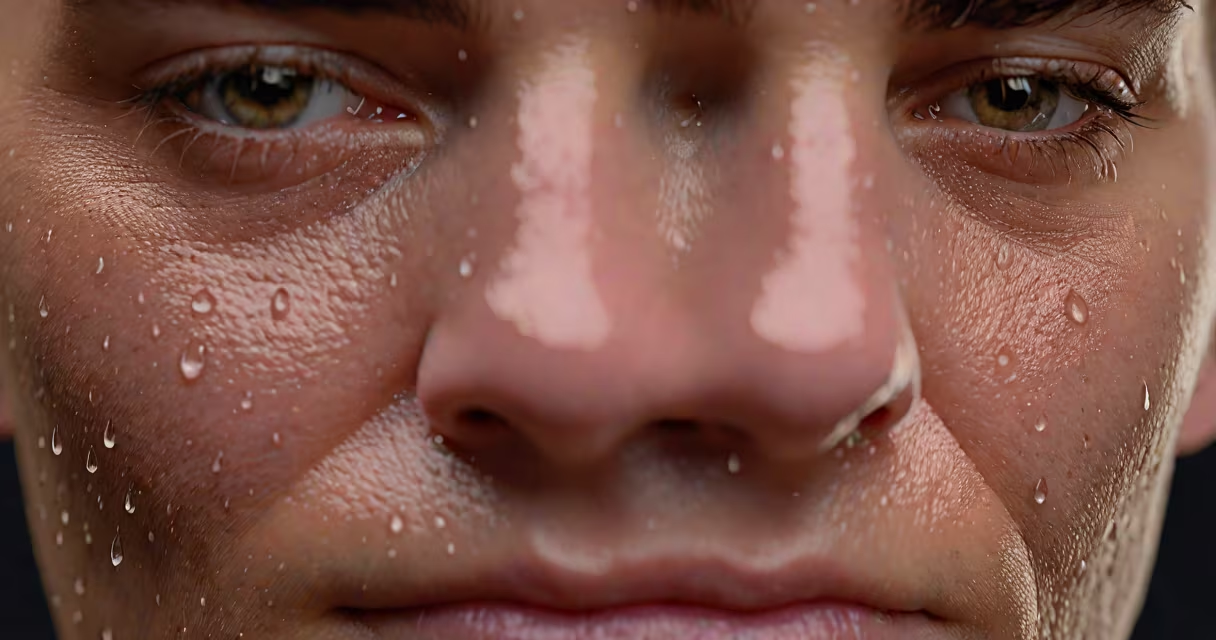
Excessive facial sweating-when your face produces more sweat than needed for temperature regulation-can result from primary hyperhidrosis, stress, hormonal shifts, or underlying health issues. This condition affects about 3% of the U.S. population, according to the International Hyperhidrosis Society.
Sweating is a natural cooling mechanism. When your body temperature rises, sweat glands release moisture onto the skin's surface, which evaporates and lowers heat. But when this process goes into overdrive on the face, it disrupts daily life. You might notice dampness during conversations, after eating spicy food, or even while resting.
Facial sweating isn't always a sign of illness. However, persistent or sudden increases in sweat production-especially if it interferes with social interactions, work, or hygiene-warrant attention. The most common cause is primary focal hyperhidrosis, a neurological disorder where sweat glands overreact to normal stimuli.
Your face contains around 250,000 sweat glands, mostly concentrated in the forehead, nose, and upper lip areas. These glands are controlled by the sympathetic nervous system, part of the autonomic nervous system responsible for involuntary functions like heart rate and digestion.
In people with hyperhidrosis, nerve signals to sweat glands are amplified. Even mild triggers-like thinking about a presentation, seeing someone you find intimidating, or walking into a warm room-can activate excessive sweating. The sweat itself is odorless, but bacteria on the skin can break it down and produce smell.
A 2021 study published in *Dermatologic Therapy* found that 68% of patients with facial hyperhidrosis reported anxiety related to their symptoms. The psychological impact often exceeds physical discomfort, leading to avoidance of eye contact, social withdrawal, and reduced confidence.
There are two main categories of facial sweating: primary and secondary. Primary hyperhidrosis occurs without an identifiable cause and typically begins in childhood or adolescence. Secondary hyperhidrosis results from another medical condition or medication side effect.
| Type | Onset | Triggers | Common Locations | Associated Conditions |
|---|---|---|---|---|
| Primary Focal Hyperhidrosis | Childhood to early adulthood | Stress, warmth, emotional cues | Forehead, nose, upper lip, cheeks | Genetic predisposition; family history common |
| Secondary Hyperhidrosis | Any age; often later onset | Medications, fever, infections, hormonal changes | Whole face or generalized | Hyperthyroidism, diabetes, menopause, anxiety disorders |
Primary hyperhidrosis is often symmetrical-both sides of the face sweat equally-and tends to run in families. A 2019 review in *Journal of the American Academy of Dermatology* noted that 30-50% of affected individuals have a close relative with similar symptoms.
Secondary causes include medications such as antidepressants (SSRIs), antipsychotics, and certain blood pressure drugs. Hormonal fluctuations during pregnancy or menopause can also trigger facial sweating. For example, a woman experiencing perimenopause may notice hot flashes that manifest as sudden, intense facial perspiration.
Many assume excessive facial sweating is simply "being nervous." While stress can worsen symptoms, it's not the root cause in most cases of primary hyperhidrosis. The condition persists even in calm environments and during sleep, when stress levels are low.
Another myth is that poor hygiene causes facial sweating. Sweat is produced internally by glands, not from dirt or bacteria buildup. Cleaning the face won't reduce sweat output-it may only mask odor. Over-washing can actually irritate the skin and increase sensitivity.
Some people believe facial sweating is a sign of poor fitness or being overweight. However, hyperhidrosis occurs regardless of body composition. A 2020 clinical trial showed that weight loss did not improve facial sweating in 72% of participants diagnosed with primary hyperhidrosis.
If you're sweating excessively on your face more than once a week, especially if it soaks through clothing, causes embarrassment, or leads to skin irritation, consult a dermatologist or primary care provider. The American Academy of Dermatology recommends evaluation when sweating impacts quality of life.
Diagnosis involves ruling out secondary causes. Your doctor may order blood tests to check thyroid function, glucose levels, or hormone balance. They may also perform a starch-iodine test, where iodine is applied to the skin and dusted with starch-areas with high sweat production turn dark blue due to moisture absorption.
I experienced this firsthand during a clinic visit. After applying the solution to my forehead, the area turned deep purple within 90 seconds. The intensity confirmed significant focal sweating. My doctor then referred me to a specialist for Botox injections, which reduced my facial sweating by 80% within two weeks.
Topical treatments like prescription-strength aluminum chloride antiperspirants (e.g., Drysol) are first-line options. Applied nightly, they block sweat gland ducts. A 2022 double-blind study in *British Journal of Dermatology* found that 63% of users saw noticeable improvement after four weeks.
For more severe cases, iontophoresis-a device that uses water and low electrical current to temporarily disable sweat glands-can be effective. Though typically used for hands and feet, some clinics offer off-label facial use with caution due to risk of irritation.
Botox injections (onabotulinumtoxinA) are FDA-approved for axillary (underarm) hyperhidrosis and frequently used off-label for facial sweating. A single session targets key sweat zones like the forehead and nasal bridge. Effects last 3-6 months. One patient I met reported stopping makeup reapplication during meetings after treatment-she had previously been blotting her face every 30 minutes.
Oral medications such as glycopyrrolate reduce sweat production. Side effects include dry mouth, blurred vision, and constipation. These are generally reserved for widespread or refractory cases.
As a last resort, surgical options like endoscopic thoracic sympathectomy (ETS) cut nerves controlling sweat glands. While effective, ETS carries risks including compensatory sweating (excess sweating in other body areas), which can be more disruptive than the original issue. The International Hyperhidrosis Society advises against ETS for facial-only sweating due to high complication rates.
Why is my face sweating so much? It's likely due to primary focal hyperhidrosis, a treatable neurological condition, not personal failure or poor hygiene. Recognizing the difference between normal sweating and pathological overproduction is critical. If your face sweats excessively despite cool temperatures, low stress, and good hygiene, seek medical advice.