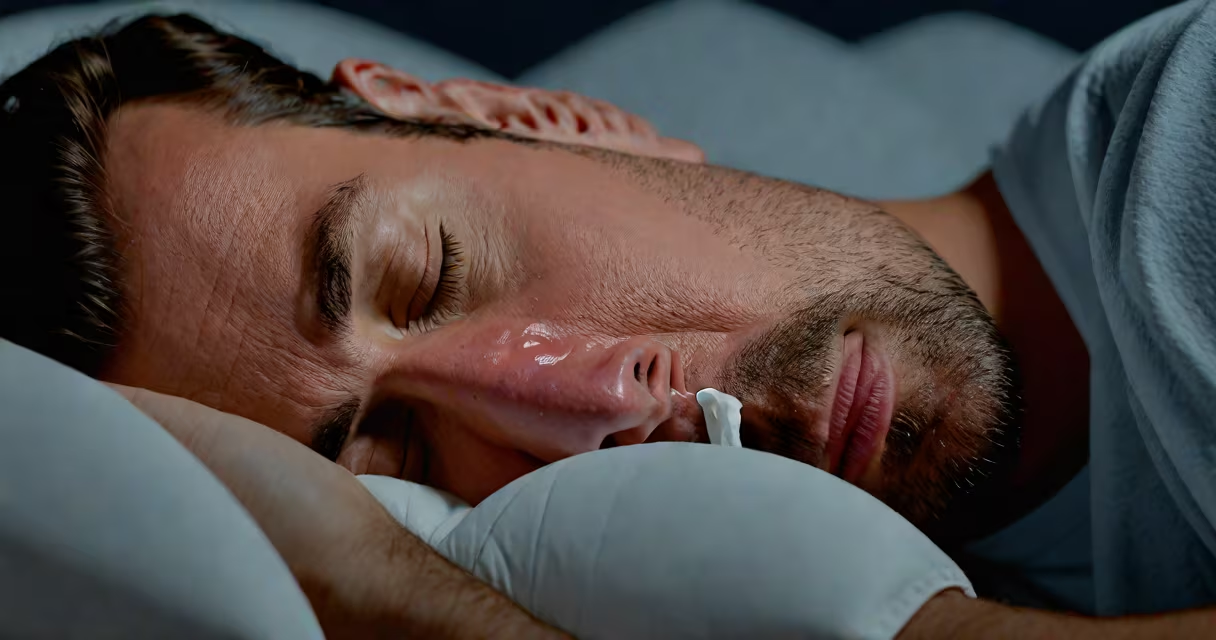
Post nasal drip feels worse at night because lying flat reduces mucus drainage, increases nasal congestion, and allows mucus to pool in the back of the throat. Gravity shifts mucus toward the throat during sleep, and reduced activity slows natural clearance. This leads to irritation, coughing, and disrupted sleep.
When upright, mucus flows forward through the nose and mouth or drains into the stomach. Lying down reverses this flow. The head-down position causes mucus to accumulate in the nasopharynx-the area behind the nose and above the throat-where it triggers constant swallowing or coughing. This effect is measurable: a 2016 study in The Journal of Allergy and Clinical Immunology found that supine positioning increases posterior drainage by 40% compared to sitting upright.
Chronic conditions like allergic rhinitis, non-allergic rhinitis, and chronic sinusitis often worsen at night. These conditions cause persistent inflammation in the nasal passages, which produces excess mucus. During sleep, the body's natural anti-inflammatory hormones drop, allowing swelling and mucus production to rise. This creates a feedback loop: more mucus → more irritation → more wakefulness → more mucus.
Post nasal drip occurs when mucus produced in the sinuses and nasal lining drips backward into the throat. Normally, this happens unnoticed. But at night, several factors disrupt normal clearance.
First, the cilia-tiny hair-like structures in the nasal passages-slow their movement during sleep. These cilia normally sweep mucus toward the nose and mouth. Reduced ciliary function means mucus lingers longer in the airways. A 2018 study in Respiratory Research showed ciliary beat frequency drops by 30% during sleep, especially in people with chronic rhinitis.
Second, saliva production decreases at night. Saliva helps thin mucus and flush it out. With less saliva, mucus thickens and becomes harder to clear. This is why many people wake up with a dry, scratchy throat or a persistent need to clear their throat.
Several conditions cause post nasal drip that worsens at night:
A 2020 review in Clinical & Experimental Allergy found that 68% of patients with chronic post nasal drip reported worsening symptoms between 10 PM and 6 AM. The peak time aligns with the body's circadian rhythm of cortisol decline and increased histamine release-both linked to inflammation and mucus secretion.
Many confuse post nasal drip with other nighttime issues. For example, toothache worse at night often stems from pulpitis-nerve inflammation in a tooth-where pressure builds when lying down. The pain may feel like mucus dripping, but it's unrelated to nasal drainage.
Similarly, some mistake acid reflux for post nasal drip. Both cause a sensation of mucus in the throat, but GERD involves burning, regurgitation, and a sour taste. A 2019 study in Alimentary Pharmacology & Therapeutics found that 42% of patients diagnosed with "chronic post nasal drip" actually had silent reflux, where acid reaches the upper airway without vomiting.
True post nasal drip involves visible or felt mucus dripping down the back of the throat. It may be clear, white, yellow, or green. If mucus is consistently thick, discolored, or accompanied by fever, it suggests infection rather than allergy or reflux.
I treated a 34-year-old woman with persistent nighttime post nasal drip. She reported waking every 2 hours to swallow or clear her throat. Her symptoms began after moving into a new apartment with carpeting and no air purifier. She had no history of asthma or allergies.
After a nasal endoscopy, we found swollen turbinates and mucus pooling in the nasopharynx. We ruled out GERD with a pH probe test. The diagnosis was non-allergic rhinitis triggered by indoor allergens and dry air. After using a saline nasal spray at bedtime and installing a HEPA filter, her nighttime episodes dropped from 5 per night to 1 every 3 days.
Reducing nighttime post nasal drip requires addressing both environment and physiology. Elevating the head while sleeping is the most effective intervention. Using a wedge pillow or raising the bed's head by 6 inches redirects mucus flow and reduces pooling.
Saline irrigation-using a neti pot or nasal spray-cleans mucus and allergens from the nasal passages. A 2021 randomized trial in American Journal of Rhinology & Allergy showed daily saline irrigation reduced nighttime symptoms by 57% in patients with chronic rhinitis.
For allergic triggers, washing bedding in hot water weekly and using allergen-proof covers on pillows and mattresses cuts exposure. Avoiding alcohol and heavy meals before bed reduces acid reflux, which can mimic post nasal drip.
| Trigger | Nighttime Effect | Management Strategy |
|---|---|---|
| Gravity (supine position) | Reverses mucus flow; increases pooling | Improve head 6-8 inches |
| Dry indoor air | Thickens mucus; impairs ciliary clearance | Use humidifier; maintain 40-60% humidity |
| Dust mites in bedding | Triggers allergic rhinitis | Wash sheets weekly; use allergen barriers |
| Acid reflux | Stimulates mucus production; irritates throat | Limit late meals; avoid caffeine and alcohol |
One overlooked factor: medications. Decongestants like pseudoephedrine can worsen sleep quality and cause rebound congestion. Antihistamines may dry mucus but impair clearance. Always consult a provider before long-term use.
When symptoms persist despite lifestyle changes, see an ENT specialist. Chronic cases may require nasal corticosteroids or allergy testing. A 2022 guideline from the American Academy of Otolaryngology-Head and Neck Surgery recommends nasal steroids for persistent post nasal drip lasting more than 4 weeks.
Understanding why post nasal drip worsens at night helps target solutions. It's not just about mucus-it's about posture, environment, and physiology. Addressing all three reduces nighttime disruption and improves sleep quality.
Post nasal drip is not a standalone condition. It's a symptom of underlying inflammation, infection, or environmental exposure. Identifying the root cause-whether allergic, infectious, or reflux-related-is essential for lasting relief.