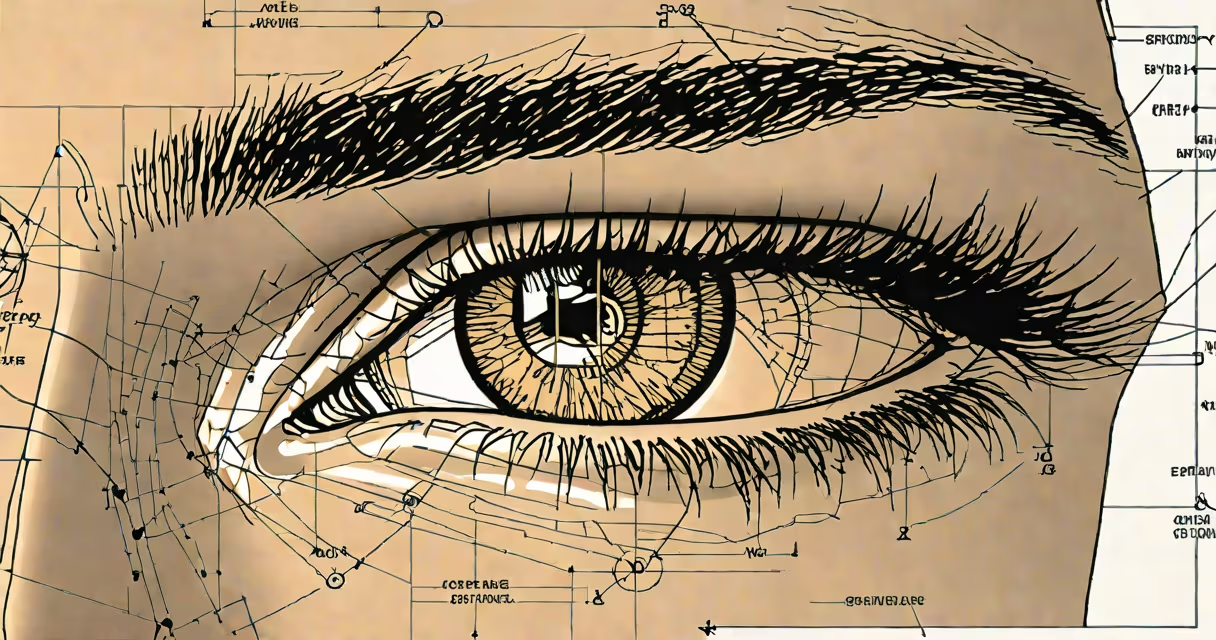
A burning sensation in the corner of your eye typically results from dryness, inflammation, or irritation affecting the delicate tissues near the tear ducts or inner eyelid. This area is highly sensitive due to dense nerve endings and minimal protective tissue.
The inner corner of the eye-the medial canthus-contains the lacrimal puncta, tiny openings that drain tears into the nasal cavity. When this region becomes inflamed or lacks adequate moisture, even mild stimuli can trigger a sharp, burning feeling. Common triggers include environmental dryness, screen use, contact lens wear, or early signs of infection.
According to the American Academy of Ophthalmology, dry eye syndrome affects over 16 million adults in the U.S., with symptoms frequently localized to the inner eye corners. The condition arises when tear production decreases or tear quality deteriorates, leading to inadequate lubrication during blinking.
Burning in the eye's inner corner occurs when the ocular surface fails to maintain a stable tear film. Tears consist of three layers: oil, water, and mucus. Disruption in any layer compromises protection. For example, insufficient oil from the meibomian glands leads to rapid evaporation, causing dry spots that stimulate pain receptors.
When you blink, the eyelid sweeps across the cornea and inner eye surfaces. If the tear film is uneven or absent in the medial canthus, friction increases. This mechanical stress activates nociceptors-pain-sensing nerves-resulting in a burning or stinging sensation. The feeling may worsen during prolonged focus, such as reading or using a computer.
Environmental factors amplify this effect. Low humidity, air conditioning, fans, and heating systems reduce tear stability. A 2021 study published in Cornea found that office workers exposed to indoor air with less than 30% relative humidity reported a 40% higher incidence of eye discomfort, especially in the medial canthus.
Several conditions cause burning in the inner eye corner. They differ in origin, duration, and accompanying symptoms. Accurate identification requires attention to context and pattern.
| Condition | Key Features | Typical Duration | Distinctive Clue |
|---|---|---|---|
| Dry Eye Syndrome | Burning, grittiness, redness; worse after screen use | Chronic (weeks to months) | Improves with artificial tears |
| Conjunctivitis (Pink Eye) | Redness, discharge, itching; may affect one or both eyes | 3-14 days | Clear or yellowish discharge; contagious forms spread via touch |
| Meibomian Gland Dysfunction (MGD) | Sticky eyelids, flaky debris along lash line | Chronic, fluctuating | Greasy residue on eyelashes; worse in mornings |
| Eye Strain from Screen Use | Burning, fatigue, blurred vision after prolonged focus | Acute (hours to days) | Relieves with screen breaks and blinking exercises |
One often-overlooked factor is contact lens wear. Soft lenses absorb moisture from the tear film, increasing friction in the medial canthus. A 2020 review in Optometry and Vision Science noted that 37% of contact lens users report localized burning in the inner eye corner, particularly after extended wear (>8 hours).
Non-ocular causes are rare but possible. Trigeminal neuralgia-a nerve disorder-can mimic eye pain, though it usually presents with sharp, electric-like jolts rather than a dull burn. True cases are diagnosed through MRI and neurological evaluation.
Most burning sensations resolve within 24-48 hours with rest, hydration, and over-the-counter lubricating drops. However, persistent or worsening symptoms require professional assessment.
Seek care if you experience:
I once observed a patient with a burning sensation in the left inner eye corner who had ignored it for five days. Upon examination, she had a small chalazion-an inflamed oil gland-pressing against the conjunctiva. After warm compresses and steroid ointment, the burning resolved in 48 hours. This case illustrates how a seemingly minor symptom can stem from a treatable structural issue.
Burning in the eye corner is not a sign of retinal detachment or stroke. These conditions present with sudden visual field loss, floaters, or facial droop-not isolated burning. Misinterpreting the symptom can delay proper treatment for actual eye diseases.
Simple daily habits reduce risk. Blink consciously during screen work-aim for 15-20 blinks per minute. Use a humidifier in dry environments. Avoid rubbing the eyes, which transfers bacteria and irritants.
For immediate relief, apply preservative-free artificial tears four times daily. If symptoms persist, consider warm compresses for 5 minutes twice daily to unblock meibomian glands. A 2019 clinical trial showed that consistent warm compress use improved tear film stability in 72% of participants with MGD-related burning.
If over-the-counter drops don't help, consult an optometrist or ophthalmologist. They may perform a Schirmer test to measure tear production or a fluorescein stain to detect corneal micro-abrasions. Treatments range from prescription eye drops to lid hygiene routines.
Understanding why the corner of your eye burns helps avoid unnecessary worry. Most cases stem from manageable issues like dryness or strain. But when burning persists, it's not a sign to wait-it's a signal to act.
See more on flash-like sensations in the eye corner.