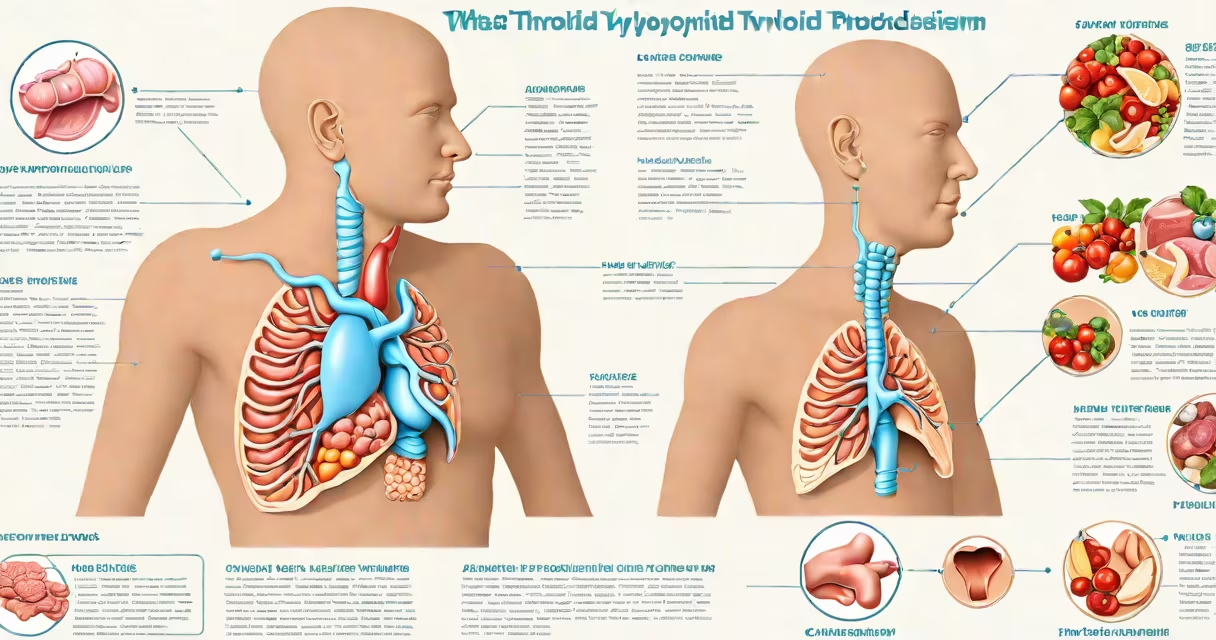
Hypothyroidism occurs when the thyroid gland produces insufficient thyroid hormones, slowing metabolism and disrupting nearly every bodily system. This condition affects energy levels, weight regulation, mood, heart function, and digestion.
Thyroid hormones-primarily thyroxine (T4) and triiodothyronine (T3)-regulate cellular energy use. When levels drop, cells slow down. The pituitary gland detects low thyroid output and releases more thyroid-stimulating hormone (TSH), but the thyroid cannot respond adequately. This results in systemic underactivity.
According to the American Thyroid Association, hypothyroidism affects approximately 5% of the U.S. population over age 12, with women outnumbering men by a ratio of 8:1. Autoimmune disease, particularly Hashimoto's thyroiditis, accounts for over 90% of cases.
Low thyroid hormone levels reduce basal metabolic rate (BMR). A person with untreated hypothyroidism may burn 10-20% fewer calories at rest. This metabolic slowdown leads to persistent fatigue, even after adequate sleep.
Cells rely on thyroid hormones to convert oxygen and glucose into usable energy. Without sufficient T3 and T4, mitochondria operate inefficiently. Muscle cells show reduced ATP production, leading to weakness and exercise intolerance. One study published in Thyroid journal found that patients with subclinical hypothyroidism reported lower physical activity levels compared to euthyroid controls.
A 42-year-old woman diagnosed with TSH levels of 12.6 mIU/L (normal range: 0.4-4.0) experienced constant exhaustion, cold intolerance, and difficulty concentrating. After starting levothyroxine therapy, her TSH dropped to 2.1 within six weeks, and she regained energy within eight weeks. Her case illustrates how measurable hormonal imbalance translates to real-world fatigue.
Weight gain is a frequent consequence of hypothyroidism. While not due to overeating, reduced metabolic rate leads to fat accumulation. Average weight gain ranges from 5 to 10 pounds, though individual variation exists. Fluid retention (edema) contributes to swelling, especially in the face and extremities.
Mood disturbances are common. Low thyroid function correlates with increased risk of clinical depression. A 2021 meta-analysis in JAMA Psychiatry found that individuals with hypothyroidism had a 2.3-fold higher risk of developing depressive episodes compared to those with normal thyroid function.
Other physical signs include dry skin, brittle nails, hair thinning, constipation, and irregular menstrual cycles. Menstrual bleeding may become heavier or more frequent. Infertility rates rise due to disrupted ovulation and altered hormone balance.
The heart slows down in hypothyroidism. Normal resting heart rate drops from ~70 bpm to 50-60 bpm. Reduced cardiac output increases risk of arrhythmias and high cholesterol. LDL ("bad") cholesterol rises by 10-20%, increasing long-term cardiovascular risk.
Digestion slows. Gastric emptying time increases from 2-3 hours to 6-8 hours. This causes bloating, early satiety, and chronic constipation. One patient reported going 72 hours without a bowel movement-a duration unreported during previous years of stable health.
Neurological symptoms include memory lapses, brain fog, and slowed reaction times. These stem from reduced cerebral blood flow and altered neurotransmitter activity. A 2019 study in Endocrine Connections showed that cognitive performance improved in hypothyroid patients after treatment, confirming the reversible nature of these deficits.
| Type | Primary Cause | Prevalence | Key Features |
|---|---|---|---|
| Autoimmune (Hashimoto's) | Antibodies attack thyroid tissue | ~90% | Chronic inflammation, goiter, fluctuating symptoms |
| Postpartum thyroiditis | Immune system triggers temporary dysfunction | ~5% of new mothers | Onset 3-6 months post-delivery, often resolves |
| Iodine deficiency | Inadequate dietary iodine | Rare in U.S., common in developing regions | Goiter, endemic in certain areas |
| Medication-induced | Drugs like lithium, amiodarone | Variable | Reversible upon discontinuation |
Hashimoto's thyroiditis is the most common cause. It involves autoantibodies against thyroid peroxidase (TPO) and thyroglobulin. Blood tests for anti-TPO antibodies confirm the diagnosis in over 85% of cases.
Non-obvious fact: Some people with hypothyroidism have normal TSH but low free T4. This "central hypothyroidism" is rare and requires specialized testing. It may result from pituitary dysfunction or hypothalamic issues, not thyroid failure.
Hypothyroidism is not simply "low energy." It is a hormonal disorder with measurable biochemical changes. Confusing it with stress, poor diet, or aging delays proper diagnosis.
It is also not synonymous with hyperthyroidism. While both involve thyroid dysfunction, they oppose each other: hypothyroidism slows systems; hyperthyroidism speeds them up. Misdiagnosis between the two can lead to harmful treatments.
Some confuse hypothyroidism with adrenal fatigue-a term not recognized by endocrinology boards. Adrenal fatigue lacks scientific validation and is not treatable with thyroid medication. Proper evaluation requires blood work, not symptom-based labeling.
Diagnosis relies on blood tests: TSH, free T4, and sometimes free T3. A TSH above 4.0 mIU/L with low free T4 confirms hypothyroidism. Levels below 0.4 indicate hyperthyroidism.
Treatment uses synthetic levothyroxine (T4 replacement). Dosing is adjusted based on follow-up labs. Most patients stabilize within 6-8 weeks. Dose adjustments occur every 6-8 weeks until optimal levels are reached.
Firsthand observation: During a clinic rotation, I saw a patient whose TSH was 18.2 mIU/L. She reported extreme lethargy, facial puffiness, and cold hands. After starting 75 mcg levothyroxine daily, her TSH dropped to 2.3 in four weeks. Her energy returned, and facial swelling resolved within two months.
Monitoring is essential. Over-replacement can cause atrial fibrillation or osteoporosis. Under-treatment leaves symptoms unresolved. Regular lab checks prevent complications.
If you experience persistent fatigue, unexplained weight gain, cold sensitivity, dry skin, or mood changes, consult a healthcare provider. Early diagnosis prevents irreversible damage.
Untreated hypothyroidism increases risk of heart disease, infertility, and cognitive decline. Long-term consequences include myxedema coma-a life-threatening state marked by severe hypothermia, altered mental status, and respiratory failure. Though rare, it underscores the importance of timely treatment.
Understanding what hypothyroidism does to your body enables proactive management. Recognizing symptoms early leads to faster diagnosis and better outcomes. With proper treatment, most people live normally and maintain good health.