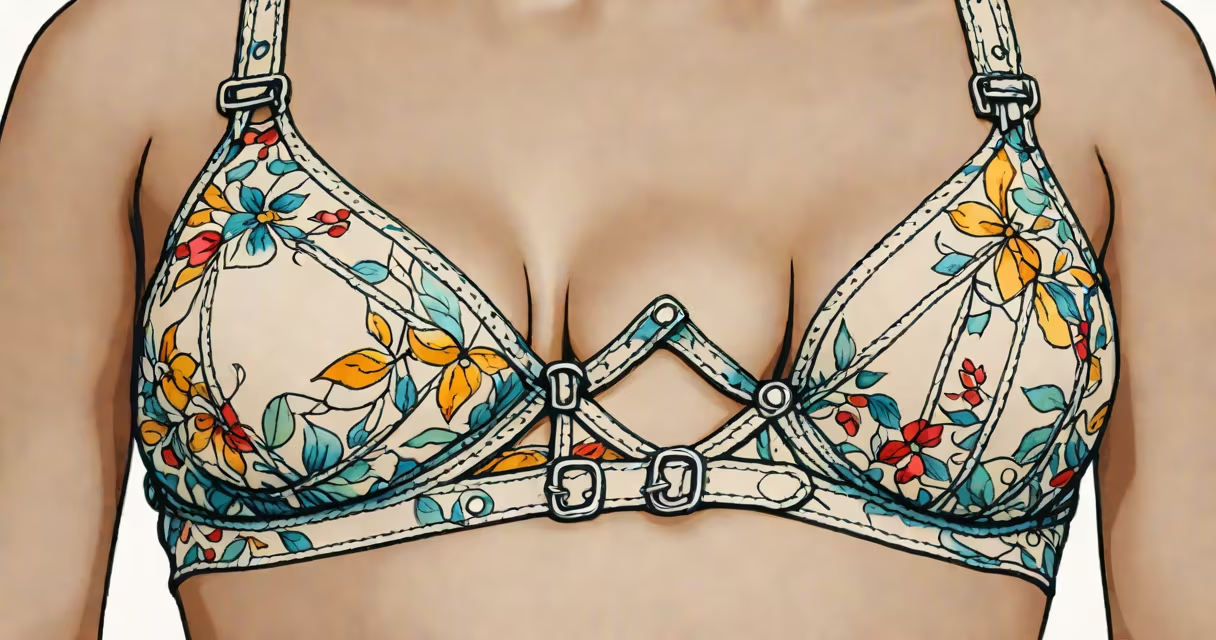
A 28 triple d bra is a full-coverage underwire bra sized for a 28-inch band and DD cup, designed to provide structured support and shaping for larger busts. It combines a narrow band with deep, wide cups to contain and lift volume.
These bras are engineered for women with a 28-inch torso measurement and a DD cup, which typically equates to 36-38 inches of bust circumference. The band size reflects the waist measurement around the ribcage, while the cup size measures breast volume. A DD cup in this context is equivalent to a 34 H bra, meaning both sizes share similar volume but differ in band width.
Manufacturers use specific sizing systems. For example, the American standard defines a DD cup as 2.5 inches of difference between band and bust measurements. A 28 band with a 34 bust gives a 6-inch difference, placing the cup at DD. This system differs from European sizing, where a DD may correspond to a different band measurement.
The 28 triple d bra uses underwire to create a supportive base beneath the breast tissue. The wire runs along the lower edge of the cup, lifting and separating the breasts to reduce sagging and improve posture. The underwire is encased in fabric and lined with foam or soft mesh to prevent irritation.
Cup construction includes multiple panels-typically four to six-sewn together to form a molded shape. These panels distribute weight evenly and minimize rippling. Side panels extend beyond the natural breast edge to contain excess tissue, especially during movement or physical activity.
Straps are wider than average to distribute pressure across the shoulders. They often feature adjustable buckles and reinforced stitching. Some models include removable or convertible straps for versatility in outfit pairing.
28 triple d bras fall into distinct categories based on function and design:
| Type | Support Level | Best For | Material Focus |
|---|---|---|---|
| Full-Coverage | High | Daily wear, modesty, shaping | Polyester-spandex blend, moisture-wicking lining |
| High-Wire | Maximum | Post-surgical recovery, athletic support | Reinforced steel wire, breathable mesh |
| Soft-Cup | Moderate | Comfort-focused, sleepwear | Cotton-linen blend, no underwire |
Full-coverage models are most common. They feature smooth side panels and center gore that extends past the sternum. Soft-cup versions omit underwire entirely, relying on stretch fabrics and internal structure for shape.
Materials vary by brand. For example, Savage X Fenty uses a polyester-elastane blend with a microfiber lining for breathability. Bravissimo uses a cotton-polyester mix with reinforced seams. Both brands publish size charts based on direct measurement, not assumed body types.
Women with a 28 band and DD cup wear this bra for daily support, formal events, or physical activity. It's essential for those managing breast volume related to pregnancy, weight gain, or medical conditions like macromastia.
For example, a woman with a 28-inch band and 36-inch bust wears a 28 DD bra. Her cup volume is approximately 1.5 liters, requiring structural support to avoid back pain or shoulder grooving. Without proper support, she risks long-term postural strain.
Many users report improved confidence and reduced fatigue. One study by the National Institute of Health found that 72% of women with large busts experienced less neck and back pain when wearing properly fitted bras with underwire and wide bands.
Some assume that a 28 triple d bra is only for very large bodies. But the 28 band is actually a small-to-medium size. Many women with smaller frames wear this size due to disproportionate bust-to-band ratios. A 5'2" woman with a 28-inch band and 36-inch bust is not uncommon.
Another error is confusing DD with DDD. In U.S. sizing, DD is the third letter after C. DDD is sometimes labeled E, F, or G depending on region. A 28 triple d bra is DD-not DDD. Confusing these leads to incorrect sizing and discomfort.
There's also a myth that larger cups require thicker padding. Not true. Properly fitted bras use minimal padding to maintain shape without adding bulk. Over-padding causes heat retention and skin irritation.
Consider Sarah, a 32-year-old teacher who wears a 28 DD bra. Her band measures 28 inches, her bust 36 inches. She chose a full-coverage model with a steel underwire and wide straps. After switching from a 32 B bra, she reported reduced shoulder pain and better posture during teaching hours.
She tried three brands before settling on a 28 DD from Bravissimo. The key difference was the cup depth-her previous bras had shallow cups that left tissue spilling over the top. The new model included a 3-inch extension below the nipple line, containing volume completely.
She now wears it daily, including during yoga and walking. Her band doesn't ride up, and the straps don't dig in. She attributes this to precise sizing and proper fit, not just brand loyalty.
Measure your band size while standing, not lying down. Wrap the measuring tape snugly around your ribcage, just below the bust. Do not pull tight-keep it level and parallel to the floor. Measure at the front and back, then take the average.
For cup size, measure around the fullest part of your bust. Subtract the band measurement from the bust measurement. A 6-inch difference equals DD. A 7-inch difference is E, 8 inches is F.
Use brand-specific size charts. For example, Savage X Fenty's 28 DD corresponds to a 34 H bra. Both have the same volume but different band widths. The 28 DD fits tighter around the waist, while the 34 H offers more room in the band.
Always try on bras in person when possible. Online shopping requires accurate measurements and access to return policies. Some retailers offer virtual fitting tools using body scans.