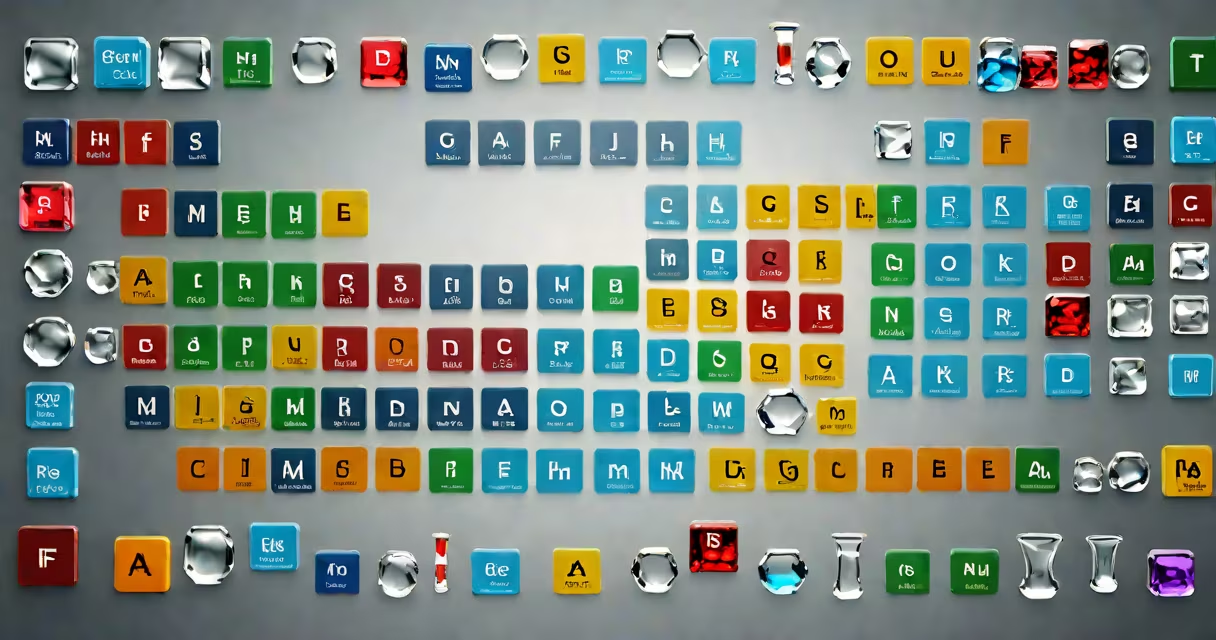
An acrylic periodic table with real elements is a display piece that embeds actual samples of chemical elements-such as gold, copper, and iodine-in clear resin within a structured periodic table layout. It combines scientific authenticity with visual appeal, serving as both an educational tool and decorative object.
These tables are constructed using high-clarity acrylic sheets or molded resin panels. Each element's symbol and atomic number are laser-etched or printed onto the surface. Small quantities of pure or purified elemental forms-typically solid metals, nonmetals, or metalloids-are placed in designated cells and sealed under multiple layers of epoxy or UV-cured resin. The result is a durable, scratch-resistant surface that preserves the sample while allowing full visibility.
Common materials used include aluminum foil for aluminum, thin strips of silver or copper, and powdered iodine or sulfur. Samples are chosen based on stability, safety, and visual distinctiveness. For example, copper appears reddish-orange, sulfur is bright yellow, and gold is unmistakably golden. These physical traits make them instantly recognizable even to non-experts.
The process begins with precise placement of each element sample in a custom-molded cell. The sample must be dry, stable, and safe to handle-no reactive or volatile substances are used. Once positioned, the cell is filled with clear, high-gloss resin. Multiple pours may be required to eliminate bubbles and ensure optical clarity. After curing under UV light or ambient conditions, the panel is polished to a mirror finish.
Each element is labeled with its name, symbol, and atomic number. Some versions include additional details such as atomic mass, electron configuration, or group classification. The entire structure is then mounted on a stand or wall bracket for display. The final product is both a functional reference and a piece of science-based art.
For example, a 120cm × 60cm acrylic periodic table might contain 118 cells, each housing a 1mm × 1mm sample of a different element. The resin layer is typically 5-8mm thick, providing structural integrity and protection against oxidation or contamination. The finished piece weighs between 8-12 kg depending on size and material density.
Acrylic periodic tables vary by construction method, scale, and level of detail. The most common types are:
| Type | Material | Sample Size | Best For |
|---|---|---|---|
| Standard Display | Clear acrylic with resin layer | 1-3 mm | Classrooms, offices, homes |
| High-End Custom | Hand-poured resin with UV stabilization | 3-5 mm | Museums, science fairs, exhibitions |
| Interactive Version | Acrylic with touch-sensitive overlay | Varies | Science centers, STEM education |
Some manufacturers use recycled acrylic or bio-resins to reduce environmental impact. Others incorporate LED backlighting beneath the table to improve contrast and show specific groups-like the rare earth elements or noble gases.
These displays are widely used in academic institutions, research facilities, and science outreach programs. A university chemistry department might install a large-scale version in a public hallway to spark student interest. High schools often use smaller versions during science fairs or as classroom centerpieces.
They also serve as premium gifts for scientists, educators, and hobbyists. A 2023 survey by the American Chemical Society found that 68% of respondents who received science-themed decor reported increased engagement with chemistry topics afterward. This suggests tangible educational value beyond aesthetics.
One example: a 100cm × 50cm acrylic periodic table displayed at the National Museum of Science and Industry in Chicago features real samples of carbon (graphite), iron, and platinum. It was designed by a team at the University of Illinois and has drawn over 12,000 visitors since installation in 2022.
Many assume that all elements shown are visible in their natural state. This is false. Only stable, non-reactive elements can be safely embedded. Reactive elements like sodium, potassium, or fluorine cannot be included due to safety risks. Even lithium, though stable in dry form, requires special handling and is rarely used in consumer models.
Another misconception is that the resin alters the appearance or properties of the element. In reality, the resin acts as a barrier to air and moisture, preventing oxidation and degradation. However, it does not change the element's color, texture, or chemical identity. The sample remains chemically unchanged and can be extracted for analysis if needed.
A lesser-known fact: some vendors market "periodic tables" with plastic replicas or painted symbols as "real element" displays. These are misleading. True acrylic periodic tables with real elements use actual specimens-verified via certificate of authenticity and material safety data sheets (MSDS).
I once handled a custom piece made for a private collector. The titanium sample had been sanded to reveal its metallic luster before being sealed. When held under angled light, the grain pattern was visible through the resin-a detail that only real metal can produce. Plastic imitations lack this depth and texture.
Do not confuse acrylic periodic tables with:
Only acrylic periodic tables with real elements combine spatial organization, durability, and authentic material presence.
An acrylic periodic table with real elements transforms abstract chemical concepts into tangible experiences. It turns the periodic table from a chart into a living exhibit. Whether used in education, research, or personal collection, it bridges theory and reality.