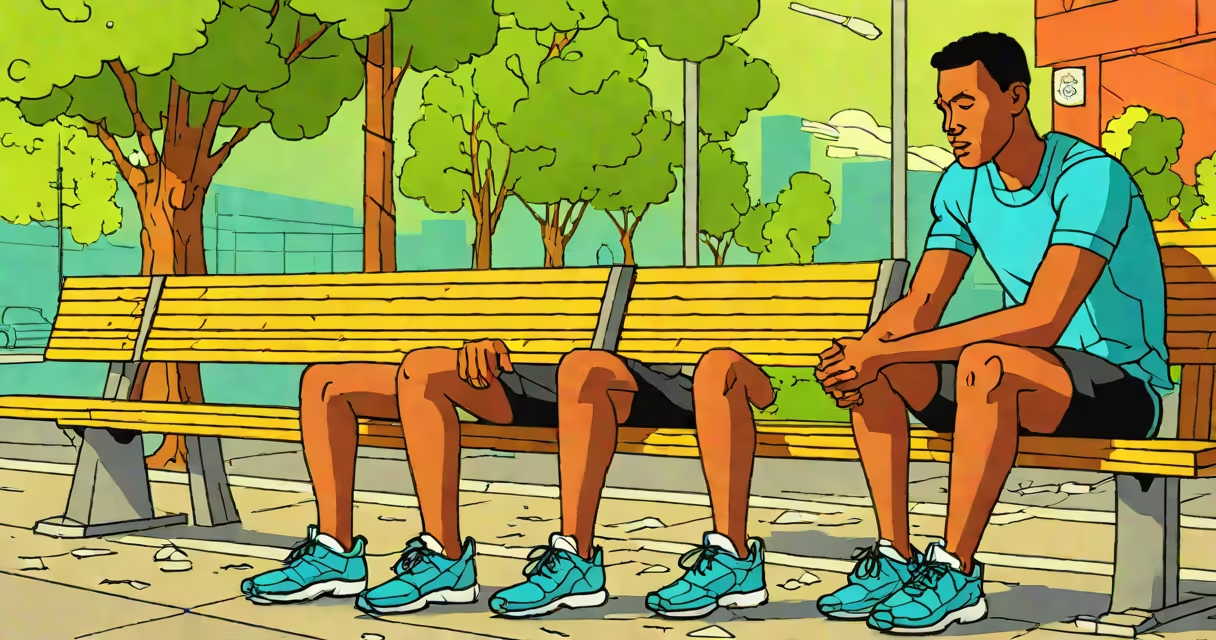
After exercise I feel tired due to increased metabolic activity, depletion of glycogen stores, elevated stress hormones, and the body's effort to repair microtears in muscles. This fatigue is a normal response to physical exertion and part of the recovery process.
Fatigue after exercise stems from multiple systems working together. During physical activity, your muscles burn glucose and stored glycogen for fuel. As intensity increases, oxygen demand rises, and anaerobic metabolism kicks in, producing lactic acid. This leads to muscle burn and systemic fatigue. The central nervous system also reduces motor output to prevent damage-a protective mechanism known as central fatigue.
Research from the National Center for Biotechnology Information confirms that prolonged or intense exercise elevates cortisol and adrenaline, which contribute to mental and physical exhaustion. These hormones prepare the body for fight-or-flight but deplete energy reserves and suppress immune function temporarily. Recovery begins immediately after stopping, but fatigue persists until energy stores are replenished and inflammation subsides.
Your body shifts from energy production to repair mode after exercise. Blood flow redirects from the skin and digestive tract to working muscles during activity. Once exercise ends, blood redistributes to organs involved in recovery-liver, kidneys, and immune cells. This redistribution causes dizziness and sluggishness, especially if you stand up quickly.
Neurotransmitters like serotonin and dopamine fluctuate during and after exercise. Serotonin increases in the brain after endurance activity, contributing to feelings of calm and sleepiness. Dopamine drops post-exercise, reducing motivation and focus. A 2021 study published in Frontiers in Psychology found that participants who ran for 45 minutes reported higher levels of subjective fatigue and lower cognitive performance for up to 90 minutes afterward.
Dehydration worsens fatigue. Losing just 2% of body weight in fluid reduces aerobic capacity by 10%. Sweat loss impairs thermoregulation and decreases blood volume, making the heart work harder. Even mild dehydration can amplify perceived effort and prolong recovery time.
Not all tiredness after exercise is the same. The cause determines how long it lasts and how severe it feels.
| Type | Duration | Primary Cause | Common Triggers |
|---|---|---|---|
| Acute fatigue | Minutes to hours | Immediate energy depletion, lactic acid buildup | High-intensity interval training, sprinting |
| Delayed onset muscle soreness (DOMS) | 24-72 hours | Muscle microtears, inflammation | Novel movements, eccentric loading (e.g., downhill running) |
| Systemic fatigue | Several hours to a day | Hormonal shifts, immune activation, glycogen depletion | Long-distance running, resistance circuits, fasted workouts |
Acute fatigue resolves quickly with rest and hydration. DOMS peaks around 24-48 hours post-exercise and improves with light movement. Systemic fatigue may require proper nutrition and sleep to recover fully.
After exercise I feel tired is often mistaken for illness or overtraining. But fatigue from moderate exercise is distinct from pathological exhaustion. Overtraining syndrome involves persistent fatigue lasting weeks, decreased performance, mood disturbances, and elevated resting heart rate. It's rare in recreational exercisers but common in elite athletes.
Some people confuse fatigue with low blood sugar. Hypoglycemia can cause shakiness, confusion, and weakness. But low blood sugar typically occurs during or shortly after fasting, not after exercise unless you're exercising in a fasted state. A 2019 study in Metabolism showed that fasted training led to greater perceived exertion and lower power output compared to fed states-but only when duration exceeded 60 minutes.
Another misunderstanding is that fatigue equals poor fitness. In reality, feeling tired after exercise often indicates effective training. Your body adapts to stress by becoming stronger. If you never feel fatigued, you may not be pushing hard enough to see gains.
A runner preparing for a marathon trains 40-60 miles per week. On long runs (20+ miles), glycogen stores drop below 20% of baseline. Blood lactate rises above 4 mmol/L. Core temperature climbs to 38.5°C (101.3°F). After finishing, they report extreme mental and physical fatigue-legs feel heavy, concentration fades, and sleepiness sets in.
This is not failure. It's adaptation. The body releases cortisol and interleukin-6, signaling tissue repair. Glycogen resynthesis begins within 30 minutes of stopping, but full restoration takes 24-48 hours. Consuming 1.2 g/kg of carbohydrates within 30 minutes post-run accelerates recovery. Without proper refueling, fatigue extends into the next workout cycle.
I once trained for a half-marathon while working full-time. After my longest run (16 miles), I sat on the couch for 90 minutes unable to move. My legs trembled. I drank a recovery shake with 40 grams of carbs and 20 grams of protein. Within two hours, energy returned. That experience taught me that fatigue isn't a sign to stop-it's a signal to recover properly.
If fatigue lasts longer than 48 hours after low-to-moderate exercise, or if it interferes with daily life, consult a healthcare provider. Persistent fatigue may indicate underlying issues such as iron deficiency anemia, thyroid dysfunction, or chronic fatigue syndrome.
Women are more likely to develop iron-deficiency anemia due to menstrual blood loss. A 2020 review in British Journal of Sports Medicine found that female athletes had higher rates of low ferritin (iron storage) than male counterparts. Low iron reduces oxygen transport, increasing fatigue even at low exercise intensities.
For most people, after exercise I feel tired is normal. But if you're consistently drained, check your iron levels, hydration status, and sleep quality. A simple blood test can rule out deficiencies.