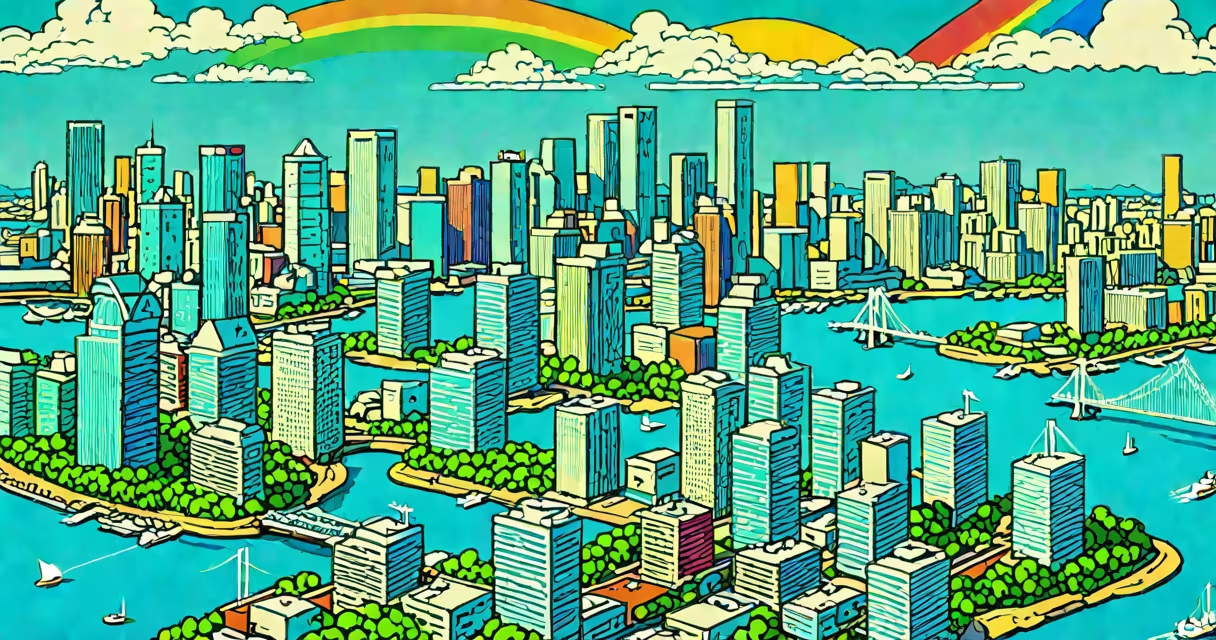
Aqua City Odaiba is a large indoor-outdoor shopping and entertainment complex located on the man-made island of Odaiba in Tokyo Bay. It opened in 1996 and spans over 100,000 square meters, combining retail, dining, and leisure facilities with direct access to the Tokyo Metro and water taxi services.
The complex is anchored by major department stores such as Tokyu Hands and Daiso, alongside international brands and local specialty shops. Its design emphasizes natural light and open-air walkways, with a central atrium that connects multiple levels through escalators and glass elevators. The outdoor plaza features seasonal decorations, live music events, and food stalls during holidays.
Located near the Odaiba Seaside Park and the teamLab Borderless digital art museum, Aqua City Odaiba serves as a gateway to Tokyo's modern waterfront culture. It attracts both tourists and locals due to its proximity to public transit and its mix of commercial and recreational offerings.
Aqua City Odaiba operates as a single integrated facility with distinct zones: retail floors, food courts, entertainment areas, and event spaces. Entry points are accessible via the Odaiba Station on the Yurikamome Line and the Odaiba-kaihatsu Station on the Tokyo Metro. A free shuttle bus runs between the station and the complex entrance during peak hours.
Inside, the layout follows a circular path around a central courtyard. Retail tenants occupy the ground and upper levels, while restaurants and cafes are concentrated on the mezzanine and rooftop decks. The rooftop terrace offers panoramic views of Tokyo Bay and the city skyline, especially during sunset hours.
During winter, the complex hosts a holiday light festival with over 10,000 LED lights arranged in themed displays. In summer, the outdoor plaza transforms into an open-air concert venue hosting local bands and cultural performances. These events are coordinated through the Tokyo Metropolitan Tourism Board and attract up to 15,000 visitors per weekend.
Aqua City Odaiba includes several distinct functional zones:
| Type | Examples | Key Function |
|---|---|---|
| Retail Stores | Tokyu Hands, Daiso, Uniqlo | Everyday goods, fashion, home essentials |
| Dining Areas | Ichiran Ramen, Kura Sushi, local izakaya | Fast-casual meals, regional cuisine, late-night snacks |
| Entertainment | TeamLab Borderless (adjacent), VR arcades | Interactive experiences, immersive art, gaming |
| Event Spaces | Outdoor plaza, rooftop terrace | Seasonal festivals, concerts, pop-up markets |
One feature often overlooked is the underground parking garage, which holds over 1,200 vehicles and includes electric vehicle charging stations. The facility is equipped with multilingual signage and customer service desks staffed in Japanese, English, Chinese, and Korean.
Aqua City Odaiba is frequently mistaken for a standalone theme park or amusement center. It is not. While it hosts seasonal events and has photo spots, it lacks rides, roller coasters, or admission fees. The nearest actual amusement park is Odaiba's Palette Town, which includes a Ferris wheel and a small aquarium.
Another confusion arises from its name. "Aqua" refers to the water-themed design elements and the location on Tokyo Bay, not to a specific brand or franchise. The complex was developed by the Nishi-Nippon Group and managed by Mitsubishi Estate Co., Ltd., neither of which owns the name as a trademark.
Some visitors assume the entire complex is indoors. In reality, about 40% of the space is open-air, including the main plaza and rooftop gardens. This design reduces energy consumption for climate control and improves airflow during hot months.
I visited Aqua City Odaiba on a Saturday in early October. I arrived at 10:30 a.m. via the Yurikamome Line, exiting at Odaiba Station. The walk to the complex took five minutes through a covered pedestrian bridge. Inside, I browsed Tokyu Hands for travel souvenirs, then stopped at a ramen shop on the second floor for a bowl of tonkotsu ramen priced at ¥880.
After lunch, I walked to the rooftop terrace. The temperature was 22°C with a light breeze. From there, I saw the Rainbow Bridge illuminated in blue and white lights. I stayed for 30 minutes watching boats pass through the bay channel. Later, I attended a free craft workshop hosted by a local artist group in the event hall-participants made origami cranes using recycled paper.
By 5:00 p.m., I left via the west exit, which connects to the Odaiba Seaside Park. The entire visit lasted four hours and cost under ¥3,000, excluding food and souvenirs.
Aqua City Odaiba exemplifies Japan's post-industrial urban redevelopment model. Built on reclaimed land from the 1980s, Odaiba was designed as a futuristic district to relieve congestion in central Tokyo. Aqua City Odaiba was among the first major commercial developments in the area, setting a precedent for mixed-use planning.
According to the Ministry of Land, Infrastructure, and Transport (MLIT), Odaiba's population grew from 12,000 residents in 1995 to over 25,000 by 2020, driven largely by residential and commercial projects like Aqua City. The complex contributes to local employment-over 1,800 people work on-site annually, according to Tokyo Prefecture labor statistics.
For travelers, Aqua City Odaiba provides a low-pressure entry point to Tokyo's waterfront culture. Unlike crowded districts like Shibuya or Shinjuku, it offers spacious walkways, minimal noise pollution, and consistent indoor temperatures year-round.
Aqua City Odaiba remains a key example of how public-private partnerships can deliver sustainable urban environments. Its blend of commerce, culture, and connectivity continues to serve as a benchmark for new developments in Asian megacities.