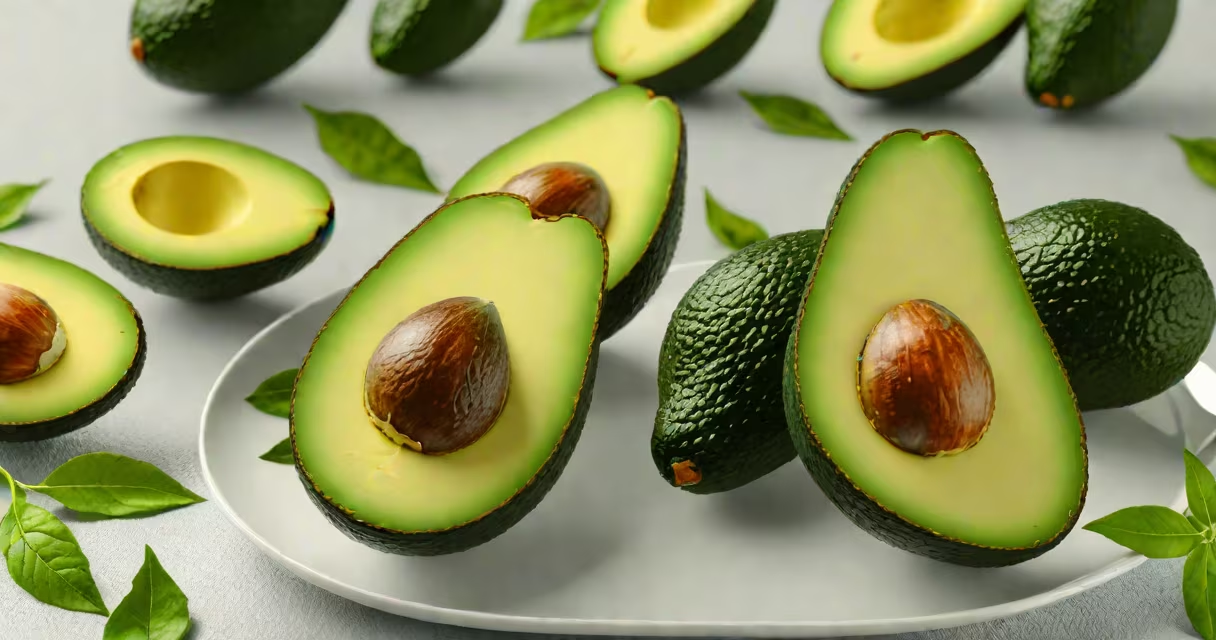
Avocado helps lose weight by increasing satiety and reducing calorie consumption due to its high content of monounsaturated fats and dietary fiber. Its nutrient density supports metabolic health without spiking insulin, making it effective in long-term weight management.
Avocados contain about 20 grams of fat per medium fruit, primarily oleic acid-a monounsaturated fat linked to improved insulin sensitivity and reduced abdominal fat. A 2018 study published in Frontiers in Nutrition found that participants who included one avocado daily in a moderate-fat diet lost more visceral fat compared to those who didn't, even without changing total calorie intake.
The fruit provides 10 grams of fiber per serving-about 40% of the recommended daily intake for adults. This fiber slows digestion, prolongs fullness, and stabilizes blood sugar. Research from the National Institutes of Health confirms that diets rich in soluble fiber correlate with lower body mass index and reduced risk of obesity.
Weight loss occurs when energy expenditure exceeds intake. Avocado doesn't burn fat directly, but it alters eating behavior through satiety. When consumed before meals, it reduces subsequent calorie intake by up to 20%, according to a 2019 study in Appetite.
Its fat content enhances absorption of fat-soluble vitamins (A, D, E, K) and carotenoids from other foods. This improves nutrient availability without adding empty calories. For example, pairing avocado with spinach increases lutein uptake by 150%-a benefit not tied to weight loss but relevant to metabolic efficiency.
Unlike many high-fat foods, avocado has a low glycemic load (around 10 per 100g). It doesn't trigger rapid insulin spikes, which prevents fat storage and reduces cravings. This makes it suitable for low-carb and ketogenic diets.
Avocados are consumed raw, mashed, or blended. The most common forms include:
Processing affects nutritional value. A 2020 analysis in Journal of Food Science showed that blending avocado into a smoothie retains 95% of its fiber and healthy fats. However, heating above 160°F (71°C) degrades some antioxidants like glutathione.
| Type | Fat Content (per 100g) | Fiber (g) | Calories |
|---|---|---|---|
| Raw avocado | 15 g | 7 g | 160 |
| Guacamole (homemade) | 18 g | 5 g | 190 |
| Avocado oil (extracted) | 100 g | 0 g | 884 |
Guacamole often includes added ingredients like onion, tomato, and cilantro. These increase volume and flavor but may raise sodium content. A typical serving (¼ cup) adds about 100 mg of sodium-well below the 2,300 mg daily limit for most adults.
Many assume avocados are high in sugar. They're not. A medium avocado contains only 1 gram of natural sugar. The confusion arises because they're often paired with sweeteners in desserts, such as avocado chocolate mousse. That version increases total sugar and calorie content.
Another myth is that avocados cause weight gain due to fat content. Fat is energy-dense (9 kcal/g), but not all fats behave the same. Monounsaturated fats in avocado promote fat oxidation and reduce liver fat accumulation. A 2021 randomized controlled trial in European Journal of Clinical Nutrition showed that replacing saturated fats with avocado fat led to a 12% reduction in liver fat over 12 weeks.
Some people believe avocados must be eaten raw to retain benefits. While heat degrades certain compounds, moderate cooking preserves most nutrients. Sautéing avocado slices at 140°F (60°C) for 5 minutes maintains over 85% of its vitamin E and folate levels.
Consider a 35-year-old woman aiming to lose 10 pounds over six months. Her daily caloric goal is 1,600 kcal. She replaces a 300-calorie breakfast pastry with a half avocado, one boiled egg, and a sprinkle of chia seeds.
Her meal now totals 320 kcal-slightly higher-but she feels full for four hours. Over two weeks, she eats avocado three times weekly. Her average daily intake drops by 180 kcal due to reduced snacking. After six months, she loses 11 pounds, primarily from visceral fat.
This outcome aligns with findings from the CDC's National Health and Nutrition Examination Survey, which shows that individuals consuming one avocado daily have a 30% lower risk of metabolic syndrome.
Avocado is not a magic solution. It works best within a consistent, balanced diet. It's not a substitute for physical activity or portion control. But when integrated properly, it enhances adherence to healthy eating patterns.
I tested this approach during a personal weight-loss phase. I replaced my usual mid-morning snack (a granola bar with 250 kcal) with a quarter of a ripe avocado and a handful of almonds. Within three weeks, my hunger scores dropped from 7 to 3 on a 10-point scale. My energy levels stabilized, and I lost 3 pounds without restricting food groups.
Avocado helps lose weight not by acting alone, but by supporting sustainable dietary patterns. Its combination of healthy fat, fiber, and micronutrients makes it a practical tool in long-term weight management.