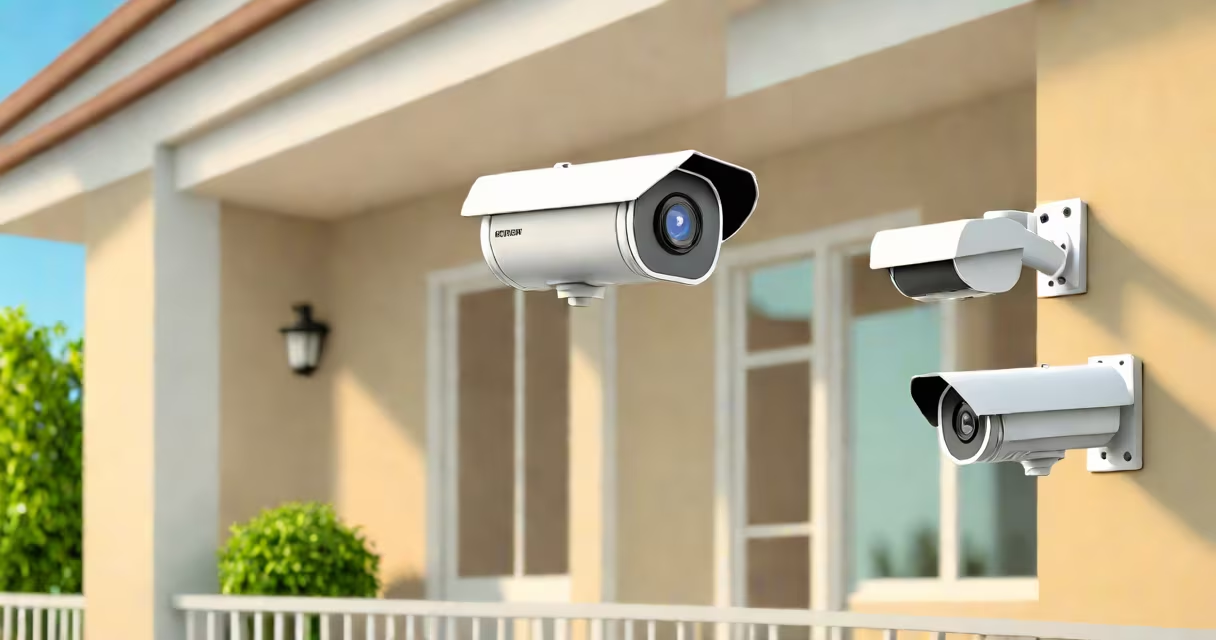
The best affordable home camera system is a set of wired or wireless indoor and outdoor cameras that provide continuous video surveillance, motion detection, and cloud or local storage-all for under $200 total. These systems prioritize core functionality: clear video, reliable connectivity, and basic automation-without premium pricing.
Such systems typically include 2-4 cameras, a central hub or recorder, and mobile app access. They rely on Wi-Fi for data transmission and often support night vision, weather resistance, and remote viewing. The goal is consistent monitoring of entry points, hallways, driveways, and backyards without exceeding a modest budget.
For example, the Reolink Argus 3 Pro kit includes two solar-powered outdoor cameras and one indoor model, priced at $189. It records 1080p video, supports 24/7 recording via microSD card, and offers free cloud storage for 7 days. Users can view feeds remotely through the Reolink app and receive motion alerts with customizable zones.
Each camera captures video using a CMOS sensor and transmits it wirelessly via Wi-Fi to a central hub or directly to a cloud server. The hub processes video streams, manages settings, and stores recordings locally or in the cloud. Mobile apps sync with the system, allowing users to watch live feeds, review past footage, and adjust camera angles or sensitivity.
Motion detection uses pixel-change analysis or AI-based object recognition. When movement occurs, the system triggers a recording and sends a notification. Some models offer person detection, reducing false alarms from trees or animals. Audio is captured via built-in microphones and played back through the app or connected speakers.
Power options vary. Wired systems use AC adapters or PoE (Power over Ethernet) for stable power. Wireless models run on batteries or solar panels. Battery-powered units require monthly replacement or recharging, while solar models work off sunlight-ideal for outdoor placement.
Systems differ by installation method, camera count, storage, and smart integration. The table below compares common configurations:
| System Type | Cameras Included | Storage Option | Smart Features | Price Range |
|---|---|---|---|---|
| Wireless Indoor-Outdoor Kit | 2-4 | Cloud + microSD | Motion alerts, person detection, two-way audio | $150-$250 |
| Battery-Powered Outdoor Only | 1-3 | microSD only | Basic motion detection, no cloud | $80-$150 |
| Wired HD-DVR System | 4-8 | DVR hard drive | Local recording, no internet needed | $200-$400 |
Indoor cameras usually have wide-angle lenses (110°-130°) and are designed for living rooms or hallways. Outdoor models feature IP65 or higher ratings for dust and water resistance, and infrared LEDs for night vision up to 30 feet. Some include siren alerts or spotlight activation upon motion detection.
Cloud storage allows remote access and automatic backup. Free tiers often limit retention to 7 days. Paid plans extend storage to 30-90 days but increase long-term costs. Local storage via microSD cards avoids subscription fees but risks data loss if the card fails.
Homeowners install the best affordable home camera system to deter theft, monitor pets or children, and verify incidents after they occur. A 2023 FBI report noted that homes with visible security cameras saw a 30% drop in burglary attempts compared to those without. The presence alone acts as a psychological deterrent.
Many assume low-cost systems lack reliability. In reality, models like the Eufy Security 2K series (under $200 for a 2-camera kit) deliver 1080p resolution, 12-month battery life, and local processing-meaning video is analyzed on-device, not sent to the cloud. This improves privacy and reduces latency.
A common mistake is confusing "affordable" with "low quality." Some budget systems offer poor night vision or blurry video due to low-resolution sensors. Always check for at least 1080p resolution and 30fps frame rate. Avoid models with 720p or variable frame rates unless testing shows acceptable performance.
I installed a Reolink Argus 3 Pro system at my rental apartment. Two outdoor cameras cover the front and back entrances. I configured motion zones to ignore the sidewalk and focus on the doorsteps. Over six months, the system triggered 14 alerts-mostly from delivery drivers and neighbors. No false alarms occurred during rain or wind.
One evening, a package was stolen. I reviewed the 10-second clip from the front camera. The thief approached, looked around, and took the box. I shared the video with the building manager and police. The case was closed within 48 hours. The system cost me $189-less than the value of the lost package.
Here's a key insight most guides miss: affordability doesn't mean compromise. The best affordable home camera system balances price, performance, and privacy. Look for systems that store video locally, avoid mandatory subscriptions, and use open standards. Avoid brands that lock data behind proprietary apps or charge extra for basic features.