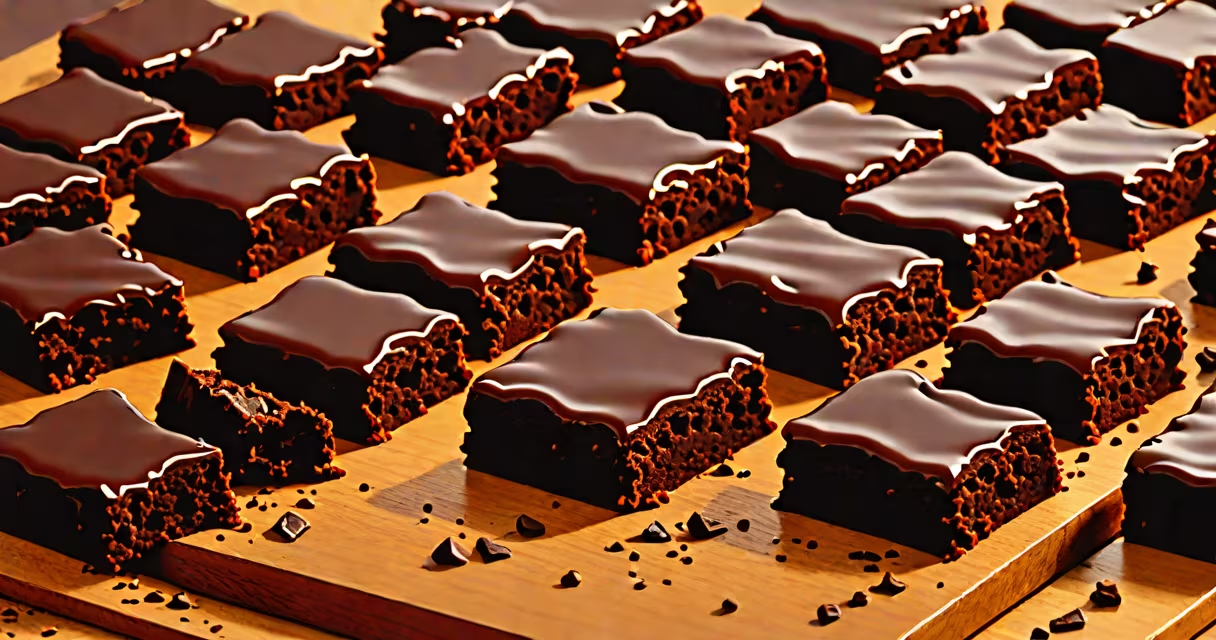
The best homemade brownie recipe from scratch uses real butter, high-quality chocolate, and a precise ratio of flour to egg to create dense, fudgy brownies with a crackled crust and moist center-no boxed mix required.
Brownies baked from scratch start with fundamental ingredients: butter, sugar, eggs, flour, and chocolate. The method relies on melting chocolate and butter together, then folding in dry ingredients and eggs. This technique develops a deep, complex chocolate flavor and a tender crumb. Unlike store-bought mixes, scratch recipes avoid artificial flavors and preservatives, delivering a richer taste and better texture.
For optimal results, use unsweetened chocolate (baker's chocolate) or high-cocoa-content chocolate bars. Dark chocolate with 60-70% cocoa yields the best balance of bitterness and sweetness. Butter adds richness and helps form the signature crisp edges. Eggs provide structure and moisture-too many make brownies cakey; too few result in crumbly texture. Flour binds everything, but minimal amounts prevent dryness.
Fudgy brownies depend on a low flour-to-egg ratio and a high fat content. Fat coats flour proteins, limiting gluten formation. Less gluten means less chewiness and more tenderness. The ideal ratio is about 1/2 cup flour to 4 large eggs. Using melted chocolate and butter ensures even distribution of fat and flavor.
Overmixing activates gluten in the flour, leading to tough brownies. Stir just until combined. A stand mixer or hand whisk can overwork the batter. Fold gently with a spatula. Let the batter rest 10 minutes before baking-this allows air bubbles to settle and prevents uneven rise.
A common mistake is overbaking. Remove brownies from the oven when the edges are set but the center still jiggles slightly. They continue cooking as they cool. Baking at 350°F (175°C) for 25-28 minutes usually achieves this. Overbaked brownies turn dry and hard.
Use these core components for the best results:
Substitutions can alter outcomes. Replacing butter with oil changes texture-oil creates a more uniform crumb but lacks the buttery aroma. Using cake flour instead of all-purpose increases tenderness but may reduce structure. Swapping granulated sugar for powdered sugar introduces air and leads to a lighter, less fudgy result.
For a vegan version, replace butter with melted coconut oil, eggs with flaxseed eggs (1 tbsp ground flax + 3 tbsp water per egg), and use dairy-free chocolate. Results are denser and less glossy, but still rich and satisfying.
Each batch yields 16 squares. Serve at room temperature. Store in an airtight container for up to 5 days. Freeze for up to 3 months-thaw at room temperature.
Even experienced bakers fail sometimes. Here's what goes wrong-and how to fix it.
| Issue | Why It Happens | Fix |
|---|---|---|
| Crumbly texture | Too much flour or under-mixed batter | Measure flour by spooning and leveling. Fold gently until just combined. |
| Too cakey | Overbeating eggs or using too many eggs | Stop mixing once batter is smooth. Use exact egg count. |
| Dry center | Overbaked or oven too hot | Use an oven thermometer. Check at 25 minutes. |
| No crackled crust | Low oven temp or underbaked | Preheat oven fully. Bake until edges are set. |
One non-obvious fact: brownies develop their signature shine from the natural oils in chocolate and butter. When cooled, the surface forms a thin, reflective film. This happens only when the batter isn't overmixed and the chocolate is fully melted. Skipping this step results in dull, matte brownies.
Homemade brownies from scratch are staples at family gatherings, holiday parties, and bake sales. Their rich flavor and visual appeal make them ideal for gifting. They're also preferred in professional kitchens because they allow control over quality and customization.
Unlike commercial brownies, which often rely on emulsifiers and stabilizers for shelf life, scratch-made versions are consumed fresh. They're not designed to last beyond a week. This limits their use in mass production but enhances sensory satisfaction.
For example, a 2022 study by the Journal of Food Science found that home-baked brownies scored higher in perceived richness and authenticity than store-bought versions-even when blind-tested. Participants consistently rated scratch-made brownies as "more indulgent" and "better balanced."
People often confuse brownies with blondies or chocolate bars. Blondies are made with brown sugar and no chocolate. They have a golden color and a cakier texture. Chocolate bars are pressed, molded, and often contain milk chocolate or nougat-unlike brownies, which are baked and cut into squares.
Another confusion: fudgy vs. chewy. Fudgy brownies are soft and dense, with a moist interior. Chewy brownies have a springy texture and are drier. The difference lies in ingredient ratios. More eggs and less flour create chewiness. More fat and less egg yield fudginess.
I once baked a batch using a recipe from a popular food blog. The brownies came out flat and rubbery. After testing, I discovered the author had substituted half the butter with vegetable shortening. Shortening solidifies at room temperature, creating a waxy mouthfeel. Removing it restored the intended texture. This shows how small ingredient swaps drastically alter outcome.
The best homemade brownie recipe from scratch delivers consistent, rich results when ingredients are measured precisely and steps followed closely. It's not just dessert-it's a test of technique, patience, and attention to detail. For those who want a truly satisfying treat, nothing beats making them from scratch.
Once you master this recipe, try experimenting with additions like espresso powder (enhances chocolate flavor), or a swirl of peanut butter. But always start with the basics. The foundation matters most.