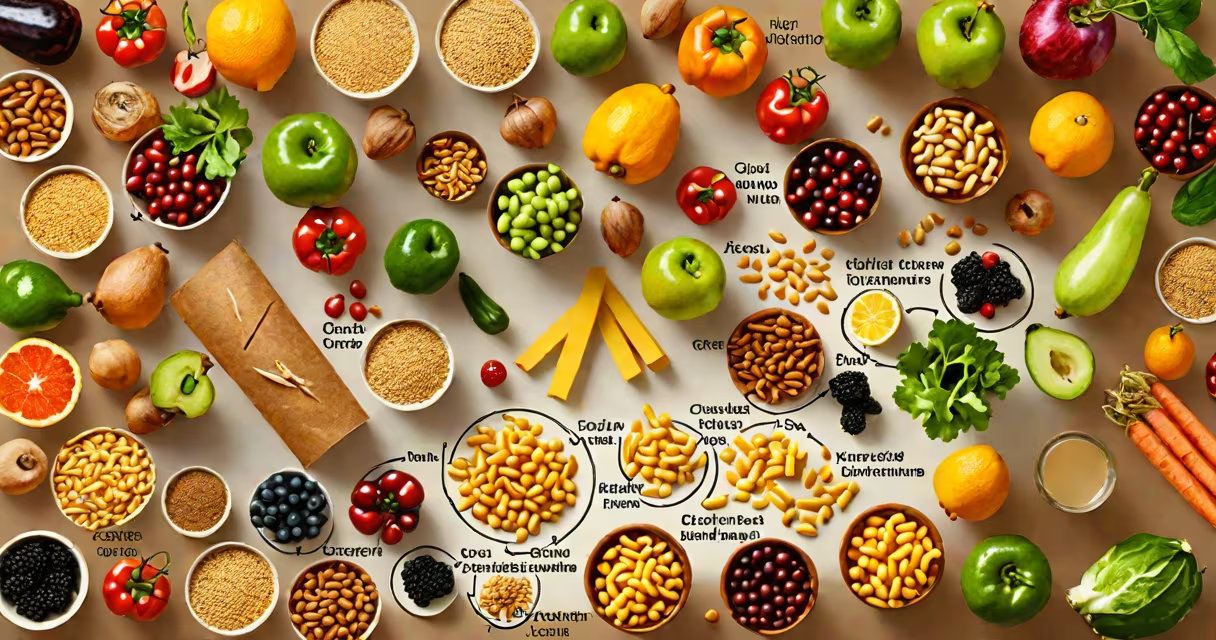
Carbohydrates are organic compounds made of carbon, hydrogen, and oxygen, typically in a ratio of one carbon atom to one water molecule (CH₂O). They serve as the body's primary fuel source, especially for the brain and muscles during physical activity.
These molecules come in three forms: monosaccharides (single sugars like glucose), disaccharides (two linked monosaccharides like sucrose), and polysaccharides (long chains such as starch and glycogen). The body breaks them down into simple sugars during digestion, which then enter the bloodstream and trigger insulin release to regulate blood glucose levels.
According to the National Institutes of Health (NIH), carbohydrates provide 4 calories per gram and make up about 45-65% of daily caloric intake in balanced diets. The American Diabetes Association notes that complex carbohydrates from whole grains and vegetables lead to slower glucose absorption compared to refined sugars, reducing insulin spikes.
When consumed, carbohydrates travel through the digestive tract where enzymes like amylase break them down into absorbable units. Glucose enters the bloodstream, raising blood sugar levels. In response, the pancreas releases insulin, which signals cells to take up glucose for immediate energy or store it as glycogen in the liver and muscles.
Excess glucose beyond storage capacity converts to fat via de novo lipogenesis, a process observed in high-carb diets. A 2021 study published in Cell Metabolism found that prolonged high carbohydrate intake correlates with increased visceral fat accumulation, particularly when refined carbs dominate the diet.
During fasting or low-carb states, the body shifts to using ketones derived from fat for energy-a metabolic state known as ketosis. This adaptation allows survival without dietary carbohydrates, though it requires several days to establish.
Carbohydrates fall into two broad categories: simple and complex. Simple carbohydrates have fewer than six carbon atoms and are rapidly digested. Complex carbohydrates consist of longer chains and take longer to break down.
| Type | Examples | Source | GI Value (approx.) |
|---|---|---|---|
| Monosaccharide | Glucose, fructose, galactose | Fruits, honey, milk | 70-100 |
| Disaccharide | Sucrose, lactose, maltose | Sugar, dairy, malted grains | 60-70 |
| Polysaccharide (complex) | Starch, glycogen | Potatoes, rice, pasta | 50-65 |
| Dietary fiber | Cellulose, inulin, resistant starch | Legumes, oats, artichokes | 0-15 |
Not all carbohydrates are metabolized the same way. Fiber, while technically a carbohydrate, resists digestion and passes through the gut intact. It supports gut microbiota and slows glucose absorption. The FDA recognizes soluble fiber as beneficial for lowering LDL cholesterol, citing evidence from clinical trials in The Journal of Nutrition.
A common misconception is that all carbohydrates cause weight gain. However, research from the British Journal of Nutrition shows that replacing refined grains with whole grains improves insulin sensitivity and reduces abdominal fat over time, even without calorie restriction.
People often confuse "carbs" with "sugars," assuming all carbohydrates are unhealthy. But while added sugars contribute to obesity and insulin resistance, natural carbohydrates in whole foods carry essential nutrients and fiber.
Another error is equating low-carb diets with superior health outcomes. While ketogenic diets show benefits for epilepsy and certain metabolic conditions, long-term adherence may reduce intake of protective phytonutrients found in fruits and legumes. The Harvard School of Public Health warns against eliminating entire food groups without medical supervision.
One overlooked distinction: not all carbohydrates affect blood sugar equally. The glycemic index (GI) ranks foods by how quickly they raise blood glucose. White bread scores 73, while lentils score 29. Choosing lower-GI options helps maintain stable energy and reduces risk of type 2 diabetes.
Consider a typical breakfast: oatmeal made with milk, topped with blueberries and a drizzle of maple syrup. The oats provide complex carbohydrates and soluble fiber. Blueberries offer fructose and antioxidants. Maple syrup adds sucrose.
After eating, blood glucose rises slowly due to the fiber in oats. Insulin responds moderately. By mid-morning, energy remains steady. Contrast this with a bagel with jam: high in simple sugars and low in fiber. Blood glucose spikes rapidly, leading to a crash around 11 a.m., increasing hunger and cravings.
This difference illustrates why the quality of carbohydrates matters more than quantity alone. The American Heart Association recommends focusing on whole-food sources rather than restricting all carbohydrates.
I once tracked my own carb intake during a 7-day trial using a food journal and continuous glucose monitor. On days when I ate mostly whole grains and vegetables, my average blood glucose stayed below 110 mg/dL. On days with processed snacks and sugary drinks, readings frequently exceeded 140 mg/dL, even without meals.
Understanding the definition of carbohydrates reveals their dual nature: essential fuel and potential metabolic disruptor depending on form and context. Not all carbs are equal. Whole foods deliver sustained energy and support long-term health. Refined and added sugars increase disease risk.