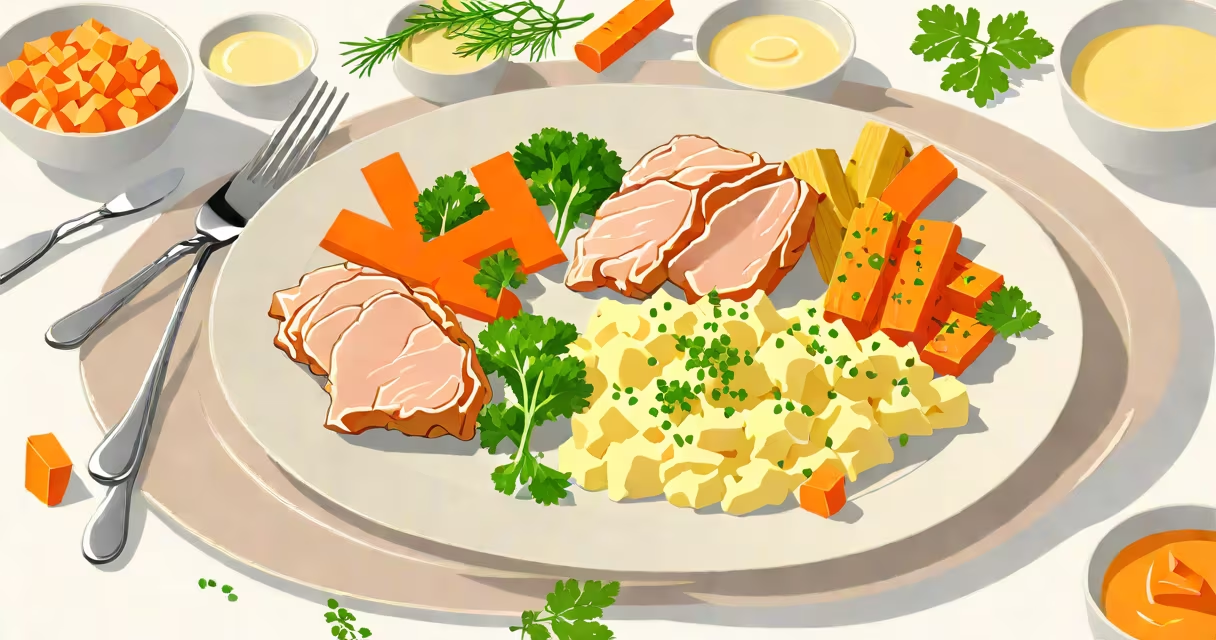
After gallbladder removal, your body adjusts to digesting fats without storing them. Begin with clear liquids and gradually introduce low-fat, easily digestible foods like bananas, rice, boiled chicken, and steamed vegetables. Avoid greasy, fried, or high-fat meals during recovery.
The gallbladder stores bile produced by the liver and releases it during digestion, especially after eating fatty foods. Without it, bile flows continuously into the small intestine. This can lead to diarrhea, bloating, or discomfort if you consume too much fat too soon. The goal is to reduce digestive stress while allowing your system to adapt.
According to the American College of Gastroenterology, most people recover well within 4 to 6 weeks after laparoscopic cholecystectomy. During this time, dietary changes support healing and prevent symptoms like nausea or loose stools. A gradual reintroduction of food prevents overwhelming the digestive tract.
Bile is released continuously rather than in bursts after a meal. This affects fat digestion, particularly for large or fatty meals. The small intestine must process fat more slowly, increasing the risk of malabsorption and diarrhea.
Some patients develop postcholecystectomy syndrome, which includes persistent abdominal pain, bloating, or diarrhea. A 2021 study in Frontiers in Medicine found that 10-15% of patients report ongoing gastrointestinal issues after surgery. Diet plays a key role in managing these symptoms.
Recovery is not one-size-fits-all. Some people tolerate dairy or spicy foods quickly; others need months to adjust. Listening to your body's signals is more important than following a rigid timeline.
Start with clear liquids: water, broth, weak tea, or diluted fruit juice. These reduce nausea and prevent dehydration. Move to bland, low-fat solids after 24 hours if tolerated.
Begin with:
Avoid anything with added oil, cream, or spices. Even small amounts of fat can trigger cramping or diarrhea. For example, a single slice of bacon contains about 14 grams of fat-enough to cause symptoms in early recovery.
One patient reported severe diarrhea after eating scrambled eggs with cheese on day 3 post-op. The fat content exceeded their tolerance. Switching to egg whites only resolved the issue within 24 hours.
High-fat foods remain problematic for several weeks. Avoid:
Even seemingly healthy options like avocado or nuts contain high fat. A quarter cup of almonds has 16 grams of fat-over half the daily recommended limit for a recovery diet.
Alcohol and caffeine can irritate the gut lining and increase bile flow. The Mayo Clinic advises avoiding alcohol for at least two weeks after surgery. Caffeine may worsen acid reflux and nausea.
By week 2, many patients can tolerate low-fat versions of regular meals. Focus on lean protein, vegetables, and whole grains. Introduce one new food at a time and monitor for symptoms.
Sample day:
Gradually increase fat intake over 4-6 weeks. If diarrhea returns, reduce fat and return to simpler meals. Keep a food diary to track triggers.
Many assume they must avoid all fat forever. This is incorrect. Most people regain the ability to handle moderate fat levels within 3 months. The key is pacing-not elimination.
Another myth: "I can't eat any fiber." Fiber actually supports bowel regularity and reduces diarrhea risk. A 2019 review in Nutrients showed that soluble fiber (like oats and psyllium) improves stool consistency in post-gallbladder patients.
Some believe all vegetables cause gas. Not true. Steamed or boiled vegetables are easier to digest than raw ones. Try cauliflower, carrots, and squash before introducing cruciferous veggies like cabbage or Brussels sprouts.
Use this table to guide your meal planning:
| Meal Type | Safe Options | High-Risk Items |
|---|---|---|
| Breakfast | Oatmeal, boiled eggs, banana, toast | French toast, bacon, cream cheese |
| Lunch | Grilled chicken salad (no dressing), turkey wrap | Chili, pizza, fried rice |
| Dinner | Baked fish, mashed sweet potato, steamed greens | Beef stew, lasagna, stir-fry with oil |
| Snacks | Apple slices, rice cakes, low-fat yogurt | Trail mix, chips, cookies |
Contact your doctor if you experience:
These signs may indicate infection or complications requiring medical evaluation.
One patient developed persistent diarrhea after eating a restaurant salad with vinaigrette. The hidden oils in the dressing triggered symptoms. Reading ingredient labels became essential.
After 6 weeks, most people can return to a balanced diet. Focus on portion control and fat distribution throughout the day. Eat smaller meals more frequently to reduce strain on digestion.
Understanding what to eat after gallbladder removal prevents discomfort and supports long-term health. Prioritize low-fat, high-fiber choices and avoid high-fat or processed foods during recovery. Gradual reintroduction leads to better outcomes.