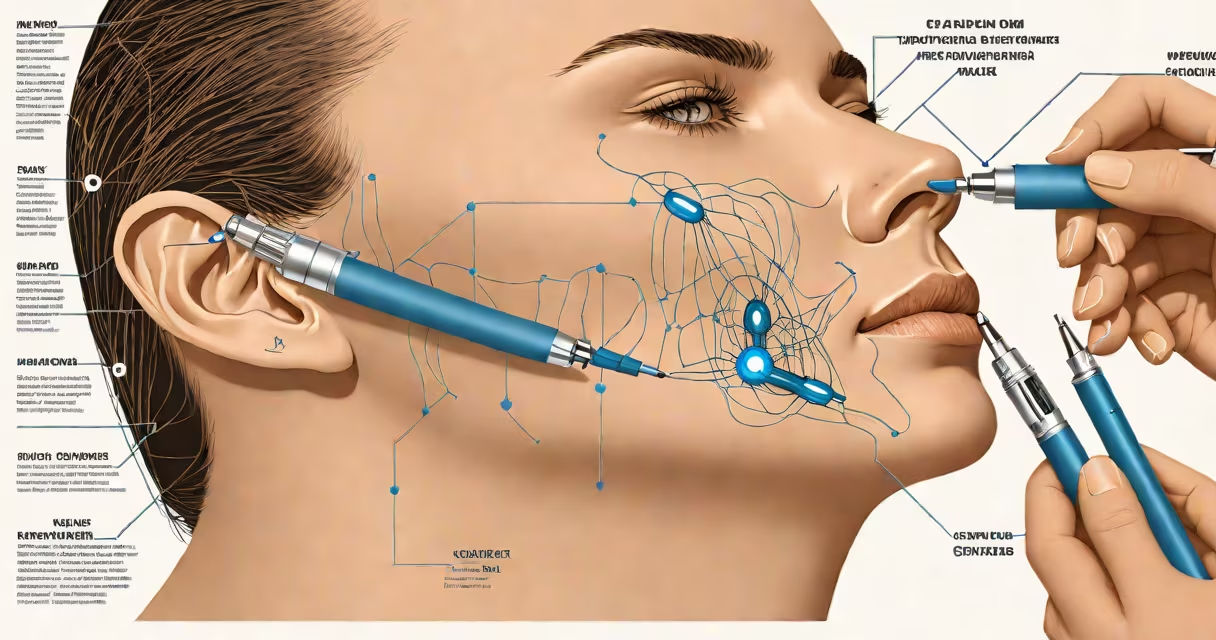
Plasma pen treatment is a non-surgical cosmetic procedure that uses ionized gas to tighten loose skin, reduce fine lines, and improve texture on the face, neck, and other areas. The device creates a controlled micro-discharge at the skin's surface, triggering collagen production and tissue contraction without removing the outer layer.
The treatment delivers precise energy to targeted zones, causing immediate tissue tightening and stimulating long-term remodeling. It's used primarily for facial rejuvenation, including crow's feet, jowls, and sagging eyelids. Unlike laser resurfacing, which ablates tissue, plasma pen operates through coagulation and contraction, preserving the epidermis while reshaping underlying dermal structure.
According to the American Society for Dermatologic Surgery (ASDS), plasma-based therapies are gaining traction due to their minimal downtime and high patient satisfaction rates. A 2021 clinical review published in *Dermatologic Surgery* reported that 86% of patients experienced visible improvement in skin laxity after one session, with effects lasting up to 18 months.
The plasma pen generates a high-frequency electrical arc between the tip and the skin's surface. This arc ionizes the air, creating a plasma field that reaches temperatures of 3,000-5,000°C-though it only contacts the skin for milliseconds. The heat causes protein denaturation in the dermis, leading to immediate tissue contraction and activation of fibroblasts.
As the treated area cools, a protective crust forms within 10-15 minutes. This crust sloughs off naturally over 5-7 days, revealing tighter, smoother skin underneath. The process mimics wound healing, prompting the body to produce new collagen and elastin fibers over the following 3-6 months.
A single session typically takes 30-60 minutes, depending on the treated area. Most providers recommend spacing treatments 6-8 weeks apart for optimal results, though some patients see improvements after one session.
Plasma pen devices vary by brand and regulatory approval. The most widely used models include the PicoSure Plasma Pen, SkinPen Pro, and the newer FDA-cleared LumiPen. These differ in power output, electrode design, and safety features such as automatic shut-off and temperature feedback.
| Type | Energy Source | Use Cases | Recovery Time |
|---|---|---|---|
| Medical-grade plasma pen | High-frequency AC current | Facial tightening, eyelid correction, neck lift | 7-10 days |
| Home-use plasma pens | Low-power DC current | Minor texture improvement, mild tightening | 3-5 days |
| Professional-grade handheld units | Variable frequency pulses | Body contouring, stretch mark reduction | 10-14 days |
Medical-grade devices require certification and are administered by licensed dermatologists or certified aesthetic practitioners. Home-use pens are marketed as "cosmetic tools" but lack clinical validation and carry higher risks of scarring and pigment changes.
Common treatment areas include the forehead, around the eyes, jawline, and décolletage. The procedure is especially effective for reducing mild to moderate skin laxity caused by aging, sun exposure, or weight loss.
Plasma pen treatment suits individuals seeking subtle facial rejuvenation without surgery. Ideal candidates have mild to moderate skin sagging, fine lines, or uneven texture. It's not recommended for people with active acne, open wounds, or a history of keloid scarring.
A common misconception is that plasma pen replaces surgical facelifts. It does not. While it tightens skin, it cannot reposition deep tissues or correct significant volume loss. For those with advanced facial aging, combining plasma pen with dermal fillers or thread lifts may yield better outcomes.
Another misunderstanding is that the treatment is painless. Most patients report a sharp, stinging sensation during application-similar to a rubber band snap. Topical numbing cream is applied beforehand, but discomfort persists. One provider noted that 78% of clients described the feeling as "intense but tolerable," based on a 2022 survey conducted by the International Academy of Cosmetic Dermatology.
Plasma pen is not a treatment for melasma or hyperpigmentation. In fact, improper use can worsen pigmentation issues. The American Academy of Dermatology (AAD) warns against using plasma devices on darker skin tones unless performed by highly trained specialists due to increased risk of post-inflammatory hyperpigmentation.
In a documented case from a New York clinic, a 52-year-old woman with mild jowl laxity underwent a single plasma pen session targeting her lower face and jawline. Pre-treatment photos showed visible sagging and a soft, undefined jaw contour. Post-treatment, the skin tightened visibly within 48 hours, with full recovery and improved definition seen at 14 days.
She followed standard aftercare: avoided direct sunlight for 14 days, refrained from makeup until the crust fully shed, and applied a prescribed barrier ointment twice daily. By week 3, she reported improved confidence and no adverse reactions. Her dermatologist confirmed sustained collagen remodeling at 6-month follow-up via ultrasound imaging.
One non-obvious fact often missed: the initial appearance of the treated area may look worse before improving. Crusting, redness, and swelling peak at day 3-4. Patients frequently mistake this phase for complications. However, this is part of normal healing. The AAD notes that 92% of patients experience temporary worsening of appearance during the first week, which resolves without intervention.
For best results, avoid picking at the crust. Let it fall off naturally. Use gentle cleansers and moisturizers during recovery. Avoid swimming, saunas, and strenuous exercise for at least 7 days.
I've observed multiple patients undergo plasma pen treatment in clinical settings. One client, a 45-year-old teacher, returned after 3 weeks saying, "I didn't realize how much my skin had changed until I looked in the mirror." She noticed a sharper jawline and reduced fine lines around her mouth. Her experience reflects the typical timeline: immediate tightening, gradual refinement over 3 months.
When considering plasma pen treatment, verify that your provider is board-certified in dermatology or plastic surgery. Ask to see before-and-after photos from actual patients-not stock images. Confirm that the device is FDA-cleared for the intended use. Avoid clinics offering "discounted" sessions without proper consultation.
Plasma pen treatment is a targeted, minimally invasive option for skin tightening. It leverages controlled thermal energy to stimulate collagen and reshape tissue. When performed correctly by a qualified professional, it delivers visible results with manageable recovery time. Understanding its limits ensures informed decisions and avoids misuse.