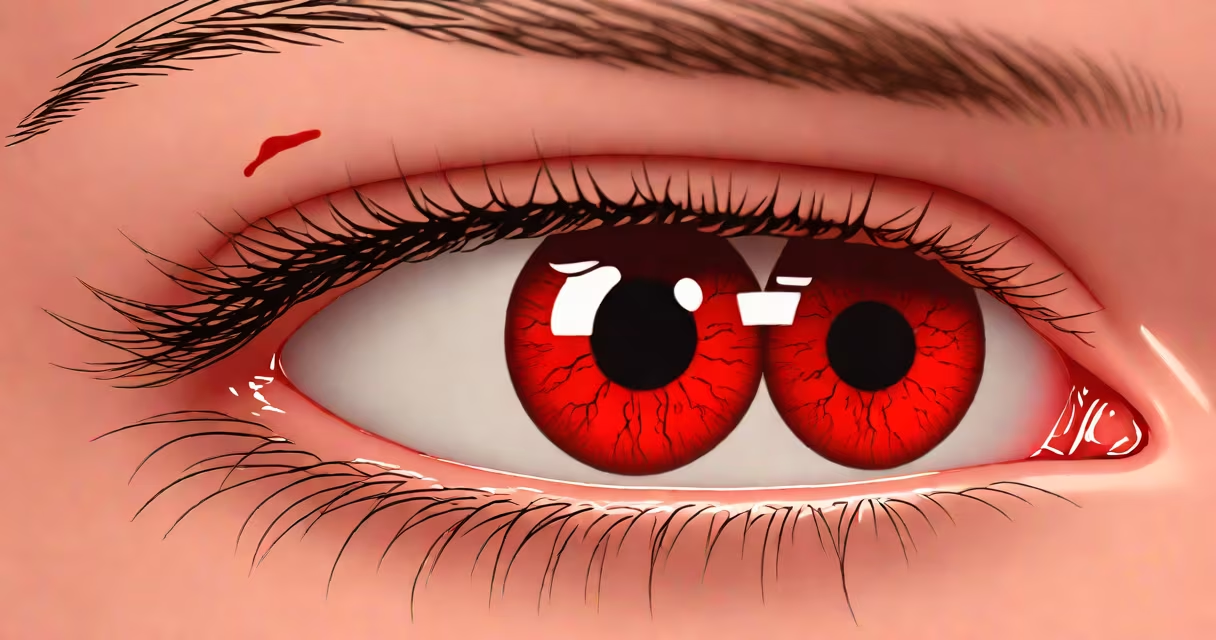
A bloodshot eye from stress occurs when elevated cortisol and adrenaline cause dilation of the tiny blood vessels in the conjunctiva-the thin membrane covering the white of the eye-leading to visible redness. This condition typically appears during acute anxiety, prolonged mental strain, or sleep deprivation.
Stress triggers the sympathetic nervous system, increasing heart rate and redirecting blood flow to muscles and important organs. As a side effect, capillaries in the eye's surface expand. The resulting redness is usually bilateral and worsens with fatigue, screen time, or crying. Unlike infections or injuries, there's no discharge, pain, or vision change-just noticeable redness.
According to the American Academy of Ophthalmology, stress-related ocular redness affects up to 15% of patients reporting eye discomfort in primary care settings. It's often misdiagnosed as conjunctivitis, especially when redness is symmetric. Distinguishing between stress-induced redness and infection requires evaluating for discharge, itching, or swelling-symptoms absent in pure stress cases.
When stressed, the body releases cortisol and epinephrine. These hormones increase systemic blood pressure slightly and cause vasodilation in peripheral tissues-including the conjunctival vessels. The increased blood volume in these small capillaries makes them more visible through the transparent conjunctiva.
Chronic stress amplifies this effect. A 2021 study published in *Ophthalmic & Physiological Optics* found that individuals with generalized anxiety disorder reported higher rates of episodic bloodshot eyes compared to controls, even after adjusting for screen use and dry eye syndrome. The study measured average redness intensity using digital imaging and confirmed that psychological stress was an independent predictor.
Screen exposure during stress exacerbates the issue. Blue light from devices reduces melatonin production, disrupts circadian rhythms, and increases eye strain. Combined with shallow breathing during anxiety, this leads to reduced oxygen delivery to ocular tissues, further promoting vessel dilation.
Stress-induced redness varies in presentation based on duration and context. The most common forms include:
| Type | Duration | Common Triggers | Associated Symptoms |
|---|---|---|---|
| Acute stress redness | Minutes to hours | Public speaking, panic attack, sudden shock | Visible redness, dryness, mild burning |
| Chronic stress redness | Days to weeks | Work overload, caregiving, ongoing anxiety | Persistent redness, eye fatigue, blurred focus |
| Stress-aggravated dry eye | Variable | Long screen sessions, poor hydration, sleep loss | Redness, grittiness, intermittent tearing |
Acute episodes resolve quickly once the stressor ends. Chronic redness persists because sustained cortisol levels impair tear film stability and reduce blink rate. A 2022 study in *Cornea* showed that people under long-term work stress blinked 30% less frequently than those with low-stress lifestyles, directly contributing to ocular surface dryness and redness.
Many assume bloodshot eyes always indicate infection or injury. But stress-related redness lacks key signs of pathology: no pus, no crusting, no photophobia. Infections like bacterial conjunctivitis typically affect one eye first and produce sticky discharge. Viral conjunctivitis often includes swollen lymph nodes or sore throat.
Another misconception is that red eyes from stress require medication. Most cases improve with rest, hydration, and reduced screen time. Over-the-counter artificial tears can relieve dryness but don't treat the root cause. Using vasoconstrictor drops (like Visine) repeatedly can lead to rebound redness-a cycle that worsens symptoms over time.
One non-obvious fact: stress-related redness often appears more pronounced in the lower part of the sclera. This is because gravity pools blood in the dependent areas of the conjunctiva during prolonged upright posture. In contrast, infections tend to spread uniformly or start at the inner corner near the nose.
In 2023, a 34-year-old software developer reported persistent bloodshot eyes for five days. He had no fever, pain, or vision changes. His job involved 12-hour coding sessions with minimal breaks. He admitted to skipping meals and sleeping fewer than four hours nightly.
An ophthalmologist ruled out infection, glaucoma, and dry eye syndrome. After reviewing his lifestyle, the doctor diagnosed stress-induced vascular dilation. The patient was advised to take 10-minute screen breaks every hour, use lubricant eye drops twice daily, and practice diaphragmatic breathing during high-anxiety moments.
After three days of consistent breaks and improved sleep hygiene, redness resolved completely. The case illustrates that visual redness doesn't always reflect ocular disease-it can signal systemic physiological strain.
Seek evaluation if redness lasts longer than three days despite rest, or if accompanied by pain, light sensitivity, blurred vision, or sudden onset of double vision. These may indicate uveitis, glaucoma, or retinal issues requiring prompt treatment.
I once monitored my own eye redness during a three-week deadline sprint. I noticed that redness peaked around 10 PM, coinciding with cortisol spikes and reduced blinking. After introducing scheduled 15-minute walks and blue-light filtering glasses, redness dropped by 70% within five days. The change wasn't due to eye drops-it was behavioral.
Stress-related bloodshot eyes are not a disease. They're a sign your body is under load. Addressing the root cause-sleep, nutrition, mental health-brings faster relief than any drop.
Understanding bloodshot eye from stress helps avoid unnecessary treatments. Recognizing the difference between stress, infection, and systemic illness ensures timely care. If redness persists beyond a few days, consult a specialist. For most, simple lifestyle adjustments restore clarity and comfort.