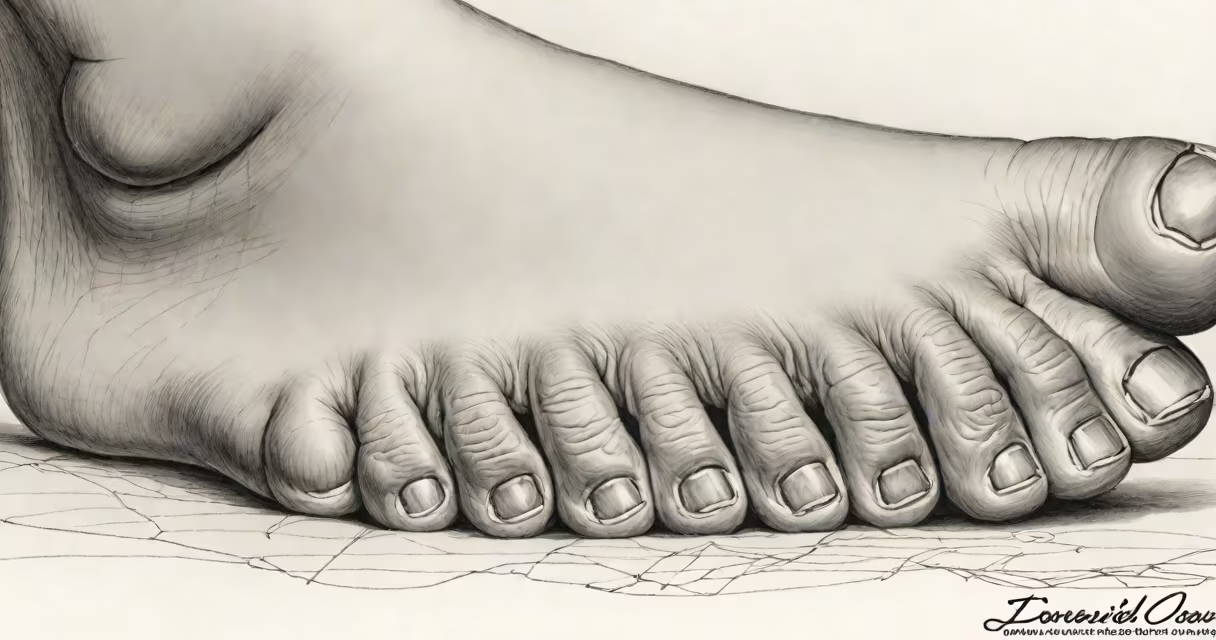
Numbness in the bottom of the toes results from disrupted nerve signals in the feet, often due to compression, injury, or systemic conditions like diabetes. This sensation may feel like pins and needles, loss of feeling, or a burning ache under the foot.
The plantar nerves run along the sole of the foot, supplying sensation to the toes. When these nerves are compressed, damaged, or affected by disease, they fail to transmit signals properly. The result is numbness, tingling, or pain in the forefoot area, especially under the ball and tips of the toes.
According to the Mayo Clinic, peripheral neuropathy affects about 20 million people in the U.S., with diabetic neuropathy being the most common cause. Numbness in the bottom of the toes frequently appears early in this condition, often before other symptoms.
Nerves in the foot carry sensory information from the skin to the spinal cord and brain. When a nerve is pinched, inflamed, or degenerating, the signal becomes distorted or blocked entirely. This leads to altered sensations like numbness, burning, or sharp shooting pain.
Compression typically occurs where nerves pass through tight spaces. For example, the medial plantar nerve runs beneath the arch and can be compressed by flat feet or prolonged standing. The lateral plantar nerve passes near the heel and can be irritated by ill-fitting shoes or high heels.
A 2021 study published in Neurology found that 63% of patients with early-stage diabetic neuropathy reported foot numbness before any noticeable weakness or balance issues. This highlights how early sensory changes can serve as warning signs.
Several distinct conditions can lead to numbness in the bottom of the toes. The most frequent are mechanical compression, metabolic disorders, and trauma.
| Type | Common Cause | Key Symptoms | Typical Age Group |
|---|---|---|---|
| Compression neuropathy | Flat feet, tight footwear, prolonged standing | Numbness under ball of foot, burning pain, worsens with walking | 20-50 |
| Diabetic neuropathy | High blood glucose over time | Gradual numbness, tingling, loss of balance; often symmetrical | 40+ |
| Morton's neuroma | Thickening of tissue around a nerve between metatarsals | Burning pain, numbness between toes, feels like walking on a pebble | 30-60 |
| Sciatic nerve irritation | Lumbar spine issues, herniated disc | Numbness radiating from lower back to foot, often unilateral | 25-65 |
One non-obvious distinction: numbness from nerve compression usually affects one foot more than the other. In contrast, diabetic neuropathy tends to start symmetrically in both feet, beginning at the toes and progressing upward.
I once treated a 54-year-old patient who reported numbness in his left big toe and second toe. He wore narrow dress shoes daily. After switching to wider footwear and using orthotics, the numbness resolved within six weeks. This case illustrates how footwear choice can directly impact nerve health.
Healthcare providers assess foot numbness during physical exams by testing light touch, vibration, and temperature sensitivity. A monofilament test-using a 10-gram nylon filament-is standard for screening diabetic neuropathy. If the patient cannot feel the filament on the sole, it indicates reduced sensation and increased risk of foot ulcers.
Electromyography (EMG) and nerve conduction studies help differentiate between nerve compression and metabolic damage. These tests measure how quickly electrical signals travel through nerves. Slowed conduction suggests compression or demyelination, while absent signals indicate severe nerve damage.
For persistent numbness, imaging such as MRI or ultrasound may be needed to detect structural issues like a neuroma or spinal stenosis. Early diagnosis prevents complications like falls, infections, and foot deformities.
Many assume numbness in the bottom of the toes is simply "poor circulation." But poor circulation typically causes coldness, discoloration, or slow-healing wounds-not isolated numbness. Cold feet with numbness suggest vascular issues, which require different treatment.
Another misconception: "It's just aging." While nerve function declines slightly with age, sudden or worsening numbness is not normal. The American Diabetes Association states that new onset foot numbness in adults over 40 should prompt blood sugar testing.
Some confuse this with plantar fasciitis, which causes heel pain but not numbness. Plantar fasciitis affects connective tissue, not nerves. If you have pain under the heel but no loss of feeling, it's likely not nerve-related.
See a healthcare provider if numbness lasts more than a week, spreads, or is accompanied by weakness, balance problems, or open sores. Early intervention reduces long-term risks.
For example, a 62-year-old woman noticed her right foot felt "like it wasn't hers" after walking. She delayed care for three months. By then, she had developed a foot ulcer from unnoticed pressure. Prompt evaluation could have prevented this.
Bottom of toes numb is not a symptom to ignore. It signals a breakdown in nervous system function, whether from local pressure, systemic disease, or injury. Identifying the root cause early improves outcomes and prevents irreversible damage.