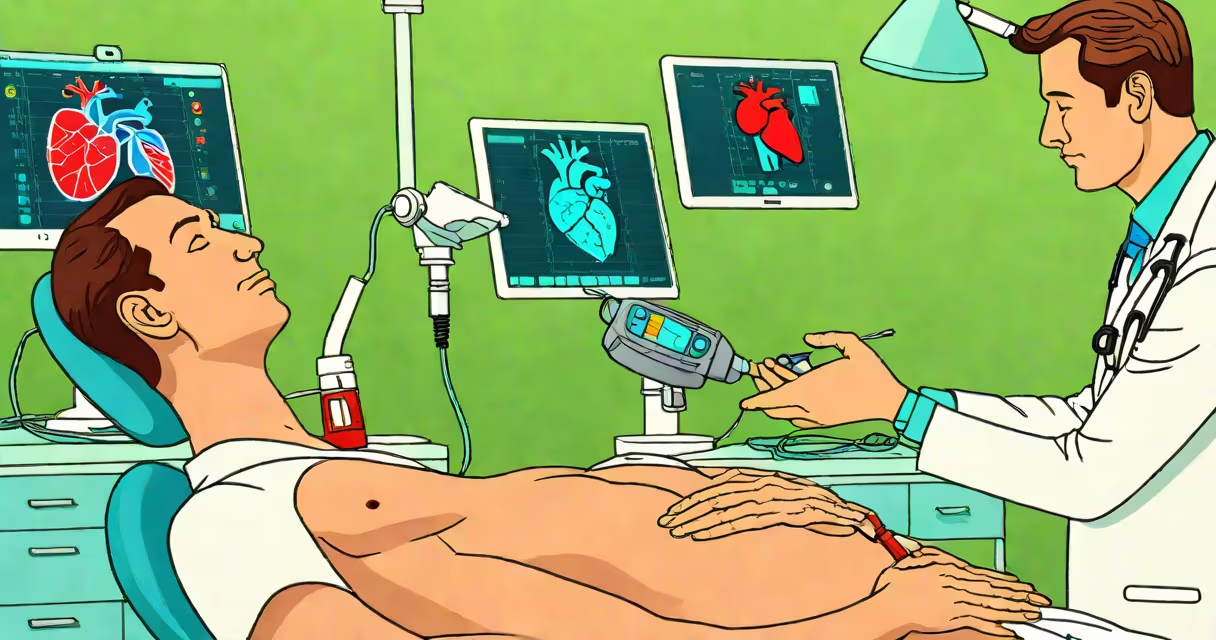
A cardiologist what do they do is specialize in diagnosing, treating, and preventing diseases of the heart and blood vessels. They interpret imaging scans, perform invasive procedures like angioplasty, and manage chronic conditions such as heart failure and hypertension. Their work focuses on restoring cardiac function and reducing long-term risk.
Cardiologists begin their career path after completing medical school, then undergo three years of internal medicine residency followed by three additional years of fellowship training in cardiology. This rigorous education ensures they understand complex physiology, pharmacology, and interventional techniques. According to the American College of Cardiology, board certification requires passing a written exam covering clinical decision-making, diagnostic interpretation, and procedural safety.
They use tools like electrocardiograms (ECGs), echocardiograms, cardiac catheterization, and stress tests to assess heart function. For example, a 62-year-old man with chest pain may have a resting ECG showing ST-segment depression, prompting a referral for a stress test. If results indicate reduced blood flow to the left anterior descending artery, the cardiologist may recommend coronary angiography to confirm blockage and consider stent placement.
Most cardiologists work in hospitals, outpatient clinics, or specialized cardiac centers. They see patients with symptoms like shortness of breath, palpitations, or dizziness. When a primary care physician suspects heart disease, they refer the patient to a cardiologist for evaluation. The cardiologist then determines whether the issue stems from structural problems, electrical disturbances, or vascular obstructions.
Procedures performed by cardiologists include coronary angioplasty and stenting, implantation of pacemakers and defibrillators, and transcatheter aortic valve replacement (TAVR). These interventions require advanced training and real-time imaging guidance. A 2021 study published in Circulation found that percutaneous coronary intervention (PCI) reduces mortality by 30% in patients with acute myocardial infarction compared to medical therapy alone.
Some cardiologists focus on specific areas. Electrophysiologists manage abnormal heart rhythms, while heart failure specialists treat advanced cases requiring mechanical support or transplant evaluation. Interventional cardiologists perform catheter-based procedures, whereas non-invasive cardiologists rely on imaging and medication management.
| Type | Focus Area | Common Procedures |
|---|---|---|
| Interventional | Coronary arteries, stents, angioplasty | Coronary angiography, PCI, TAVR |
| Electrophysiology | Heart rhythm disorders | Pacemaker implantation, ablation therapy |
| Heart Failure | Advanced heart disease, transplant readiness | Device monitoring, LVAD evaluation |
| Non-Invasive | Imaging, risk assessment | Echocardiogram, stress testing, CT angiography |
Cardiologists do not perform open-heart surgery. That task falls to cardiac surgeons. While both treat heart disease, surgical intervention involves incisions, bypass grafts, or valve replacements. A cardiologist may consult with a surgeon when a patient has severe coronary artery disease and is being evaluated for coronary artery bypass grafting (CABG).
They also do not provide primary care. Patients with stable hypertension or diabetes are managed by family physicians or internists. A cardiologist only becomes involved when complications arise-such as evidence of heart damage on an echocardiogram or worsening angina despite optimal medical therapy.
One common misconception is that all heart-related issues require a cardiologist. In reality, many people with occasional palpitations or mild chest tightness do not need specialty care. A 2020 report from the American Heart Association noted that over 40% of referrals to cardiology clinics were deemed unnecessary after initial evaluation, highlighting the importance of appropriate triage.
In 2022, a 71-year-old woman presented with fatigue and irregular heartbeat. Her primary care provider ordered an ECG, which revealed atrial fibrillation with rapid ventricular response. She was referred to a cardiologist for management.
The cardiologist reviewed her history, including prior stroke risk factors (hypertension, age, female sex). Using the CHA₂DS₂-VASc score, she was classified as high risk for stroke. The cardiologist prescribed apixaban, a direct oral anticoagulant, and scheduled a transesophageal echocardiogram to rule out clot formation before considering cardioversion.
After two weeks on anticoagulation, her heart rhythm remained unstable. The cardiologist recommended catheter ablation to eliminate the abnormal electrical pathways causing the arrhythmia. The procedure was successful, and she resumed normal activities within six days.
This case illustrates how a cardiologist what do they do combines diagnostic precision, risk stratification, and procedural expertise to restore health. The decision-making process integrates guidelines from the American College of Cardiology and European Society of Cardiology, ensuring treatment aligns with current evidence.
I once observed a cardiac catheterization lab during a weekend shift. A patient arrived with suspected STEMI (ST-elevation myocardial infarction). Within 15 minutes of arrival, the cardiologist had reviewed the ECG, confirmed the diagnosis, and initiated the emergency protocol. The team moved swiftly-nurses prepared medications, technicians set up the fluoroscopy machine, and the cardiologist guided the catheter to the blocked artery.
After placing a drug-eluting stent, the patient's blood flow returned to normal. The entire process took under 45 minutes. What stood out wasn't just the speed-it was the coordination. Every person knew their role. The cardiologist didn't act alone. They relied on nurses, radiologic technologists, and anesthesiologists. This level of integration is standard in accredited cardiac centers.
Understanding the cardiologist what do they do requires seeing them not as solo operators but as leaders in multidisciplinary teams. Their decisions impact survival rates, quality of life, and healthcare costs. A 2023 analysis in JAMA Internal Medicine showed that early intervention by a cardiologist reduced hospital length of stay by 2.3 days on average for acute coronary syndrome patients.