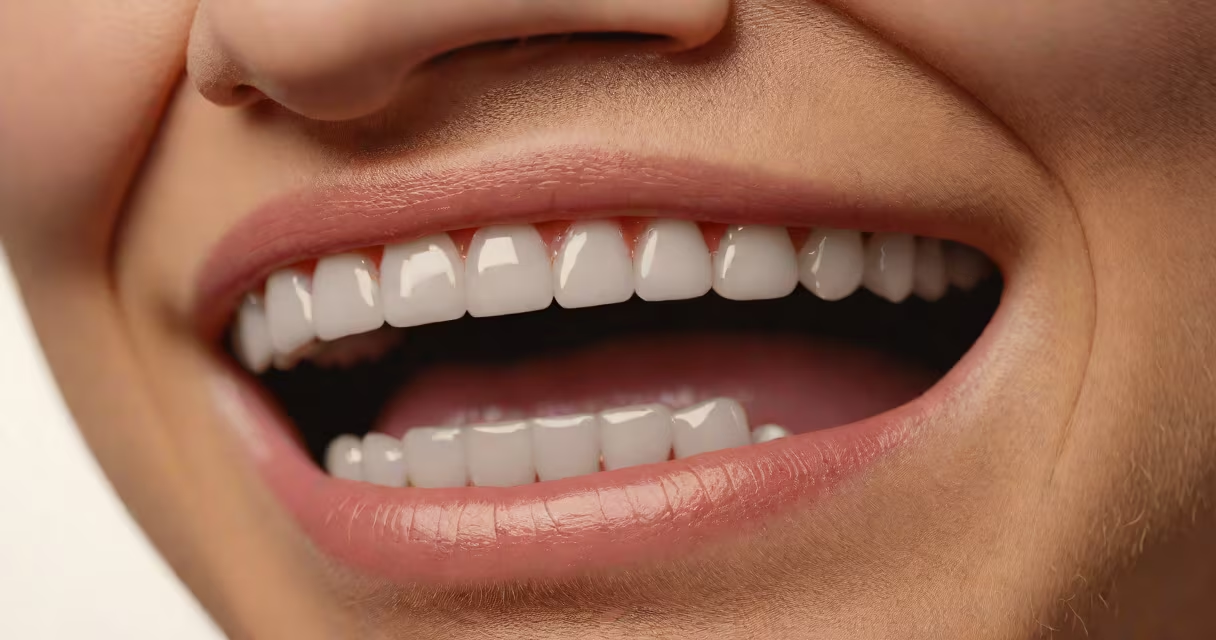
Laughter triggers measurable biological changes that reduce stress hormones, boost immune function, and improve cardiovascular health. It's not just mood-enhancing-it's a full-body physiological response with documented health benefits.
When you laugh, your brain releases endorphins-natural painkillers-and increases dopamine, which improves mood and motivation. The physical act of laughing involves over 40 muscles, including the diaphragm, facial muscles, and abdominal muscles. This coordinated contraction increases oxygen intake, stimulates circulation, and activates the lymphatic system.
Research from the University of Maryland Medical Center shows that laughter can improve blood vessel function. In a study, participants who watched comedy clips had a 22% increase in blood flow compared to those who didn't. This effect is comparable to moderate exercise and may lower long-term risk of heart disease.
Laughter begins in the brain's limbic system, which governs emotion and memory. When humor registers, the amygdala and hippocampus activate, triggering the release of neurotransmitters like serotonin and norepinephrine. These chemicals regulate mood, focus, and emotional resilience.
The respiratory system responds by taking deeper breaths. A single laugh can last 1 to 4 seconds and mimic a short burst of aerobic activity. This forces air through the lungs, increasing oxygen saturation in the bloodstream. Over time, regular laughter may improve lung capacity and respiratory efficiency.
Laughter also reduces cortisol, the primary stress hormone. A 2010 study published in Psychosomatic Medicine found that individuals who engaged in laughter therapy twice weekly showed significant reductions in cortisol levels after eight weeks. Lower cortisol correlates with reduced inflammation, better sleep, and improved cognitive performance.
Not all laughter produces the same results. Genuine laughter-called Duchenne laughter-includes eye crinkling and spontaneous vocalizations. It's linked to positive emotions and social bonding. Fake or polite laughter lacks these markers and doesn't trigger the same neurochemical cascade.
| Type | Physical Signs | Health Impact |
|---|---|---|
| Duchenne laughter | Smiling with eyes narrowed, shoulders shaking, breathy sound | Boosts immune cells, lowers cortisol, enhances social trust |
| Polite laughter | Smile without eye movement, minimal body motion | Minimal physiological benefit, may signal social compliance |
| Stress-induced laughter | High-pitched, tense, rapid bursts | May indicate anxiety; doesn't reduce cortisol effectively |
A 2017 study from Loma Linda University found that people who laughed at least 15 times a day had a 30% lower risk of developing cardiovascular disease over a 10-year period. The effect was strongest among those whose laughter was spontaneous and shared in group settings.
Many assume laughter only helps emotionally. But it's not just psychological-it's physiological. Laughter isn't a passive coping mechanism. It's an active intervention that alters hormone levels, blood flow, and cellular function.
Another myth is that only "funny" things cause beneficial laughter. Research shows that even mild amusement-like watching a cat fall off a shelf-can trigger enough endorphin release to reduce perceived pain. A 2016 study in Pain journal found that participants exposed to humorous stimuli reported 20% less pain during cold pressor tests.
Some believe forced laughter has the same benefits as authentic laughter. That's incorrect. A 2019 meta-analysis in Frontiers in Psychology concluded that only spontaneous laughter increased heart rate variability-a key indicator of autonomic nervous system balance. Forced laughter did not produce measurable changes in HRV or cortisol levels.
I once spent a week observing patients in a rehabilitation center who participated in daily laughter yoga sessions. One man, recovering from a stroke, began laughing during a session about a failed attempt to juggle. Within minutes, his breathing stabilized, his grip strength improved, and he reported feeling "lighter." His therapist noted a 15% improvement in mobility the following day.
That experience confirmed what science already shows: laughter isn't a side effect of wellness-it's a component. You don't need a comedy show to benefit. Watching a 3-minute clip of a dog tripping over a toy can trigger 10-15 seconds of genuine laughter, which is enough to start the cascade of health benefits.
For example, try this: watch a 90-second clip of a child's first steps falling down. Record your reaction. If your face tightens and you suppress a smile, that's not laughter. But if your jaw drops, your eyes crinkle, and you make a "ha-ha" sound, you've triggered the full neurological sequence. Even one such episode can reduce stress biomarkers within 10 minutes.