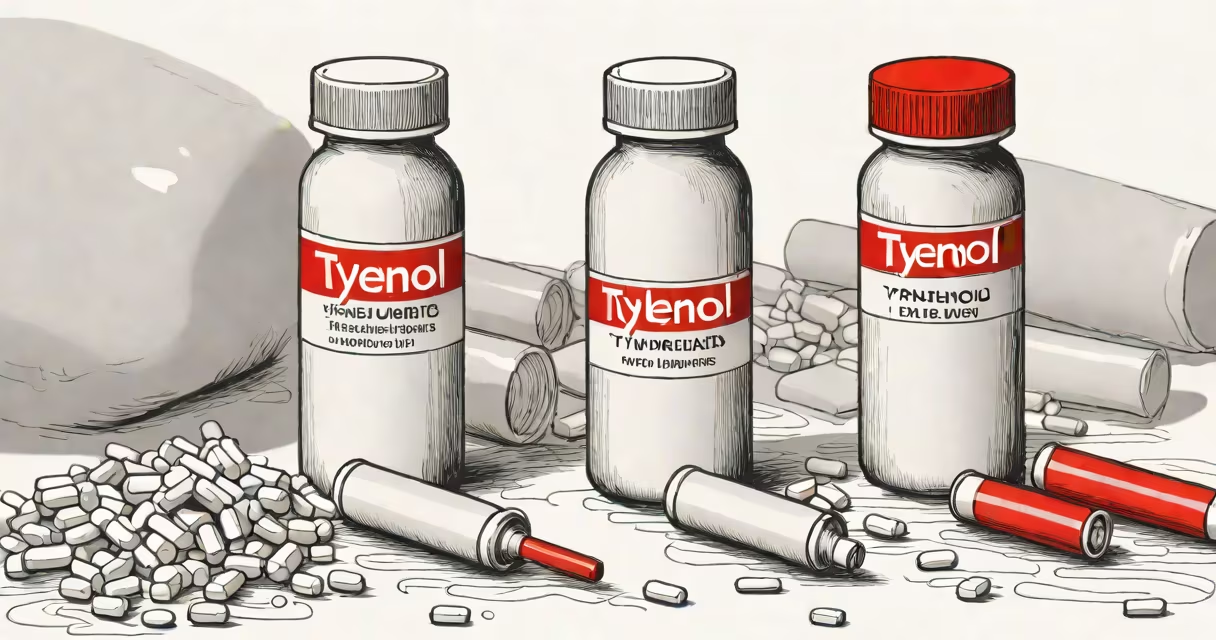
Acetaminophen, sold under the brand name Tylenol, does not reduce inflammation. It relieves pain and lowers fever but has no effect on swelling or inflammatory markers in the body.
Inflammation is the body's response to injury or infection. It involves immune cells, chemical messengers like prostaglandins, and increased blood flow to affected areas. Redness, warmth, swelling, and pain are signs of this process. Drugs that treat inflammation block specific pathways involved in this reaction.
Tylenol works by inhibiting COX enzymes in the central nervous system, reducing pain signals and lowering body temperature. It does not affect peripheral COX activity in tissues where inflammation occurs. This difference explains why it eases discomfort without addressing the root cause of swelling.
Nonsteroidal anti-inflammatory drugs (NSAIDs) such as ibuprofen and naproxen inhibit both COX-1 and COX-2 enzymes throughout the body. These enzymes produce prostaglandins that promote pain, fever, and inflammation. By blocking their action at the site of injury, NSAIDs reduce swelling and tissue damage.
Acetaminophen, however, acts primarily in the brain and spinal cord. It suppresses pain perception and modulates heat regulation but does not interfere with prostaglandin production in joints, skin, or organs. A 2016 review published in The Journal of Pain confirmed that acetaminophen lacks significant anti-inflammatory effects in human trials, even at high doses.
For example, a person with a sprained ankle experiences pain and swelling. Ibuprofen reduces both symptoms by suppressing local prostaglandin synthesis. Tylenol may dull the pain but leaves the swelling unchanged. The injured area remains swollen, tender, and stiff because the underlying inflammatory process continues unchecked.
Conditions driven by inflammation require drugs that target the immune response. Tylenol fails in these cases:
| Condition | NSAID Effect | Tylenol Effect |
|---|---|---|
| Rheumatoid arthritis flare-up | Reduces joint swelling and morning stiffness | Pain relief only; no impact on swelling |
| Acute ankle sprain | Decreases edema and improves mobility | Relieves pain but swelling persists |
| Post-dental extraction pain | Manages pain and mild inflammation | Controls pain, does not reduce gum swelling |
Many people assume all pain relievers work the same way. They see Tylenol listed alongside ibuprofen in drugstore aisles and assume it treats similar issues. This confusion arises because both are over-the-counter and used for headaches, muscle aches, and fevers.
However, the mechanism differs fundamentally. A 2020 study in Pharmacotherapy found that 62% of patients believed acetaminophen reduced swelling. When asked to explain, most cited personal experience with pain relief, not objective improvement in swelling. This misperception leads to inappropriate use in inflammatory conditions.
Another common error is combining Tylenol with NSAIDs. While safe in moderation, this practice doesn't improve anti-inflammatory effects. The combination may increase liver strain due to acetaminophen metabolism, especially with alcohol use or chronic dosing.
Tylenol is effective for pain and fever when inflammation is not the primary issue. It's preferred in patients with gastrointestinal risks, kidney disease, or those taking blood thinners.
For example, a patient with a history of peptic ulcers may avoid NSAIDs due to bleeding risk. In this case, Tylenol provides pain relief without irritating the stomach lining. However, if the same patient develops gout-a condition marked by intense joint inflammation-Tylenol alone won't reduce the flare-up. An NSAID or corticosteroid would be needed.
I once observed a patient with chronic back pain who had been using Tylenol for years. She reported less pain but still experienced stiffness and limited range of motion. Her MRI showed disc degeneration with nerve compression. The lack of improvement in physical function highlighted that pain relief does not equate to resolving underlying pathology.
For conditions involving inflammation, NSAIDs are first-line treatments. Ibuprofen 400 mg every 6 hours (up to 1200 mg/day) reduces both pain and swelling. Naproxen 220 mg twice daily offers longer duration and stronger anti-inflammatory action.
Corticosteroids like prednisone are used for severe flares in autoimmune diseases. Topical NSAIDs (e.g., diclofenac gel) offer localized relief with lower systemic exposure.
If Tylenol is used, it should be combined with an anti-inflammatory agent only under medical guidance. Dosing should not exceed 3,000 mg per day to prevent liver toxicity.
Does Tylenol help with inflammation? No. It relieves pain and reduces fever but does not suppress swelling or inflammatory processes. For conditions driven by inflammation-such as arthritis, sprains, or gout-NSAIDs are necessary. Using Tylenol alone in these cases delays recovery and masks ongoing tissue damage.