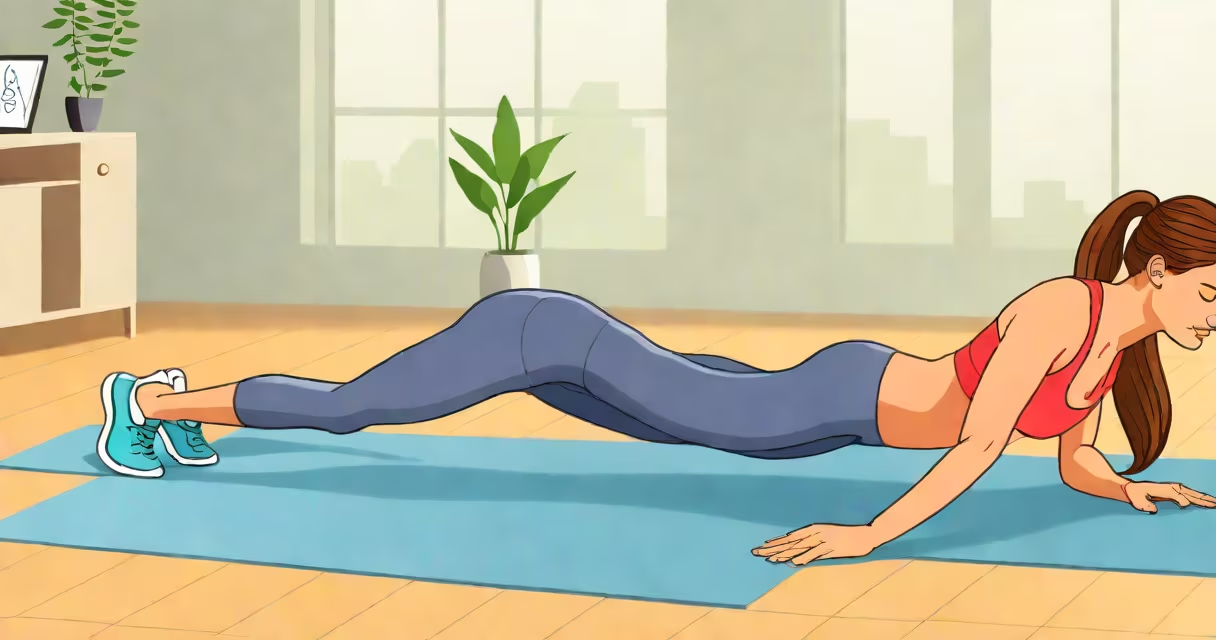
The best exercise to lose bottom belly fat is not a single movement but a combination of resistance training and high-intensity interval training (HIIT). These methods reduce visceral fat-the dangerous fat stored deep in the abdomen-by increasing metabolic rate and building lean muscle mass. Spot reduction, the idea that you can burn fat from one area by targeting it, is scientifically false.
Visceral fat surrounds internal organs and contributes to insulin resistance, heart disease, and type 2 diabetes. Losing it requires systemic changes in energy balance-not localized effort. The American Council on Exercise (ACE) confirms that fat loss occurs throughout the body in response to calorie deficit, not in isolated zones.
When you perform compound movements like deadlifts, squats, and kettlebell swings, your body recruits large muscle groups. This triggers a hormonal response that increases fat oxidation. A 2018 study published in Obesity found that participants doing 30 minutes of HIIT five times per week lost 16% more visceral fat than those doing steady-state cardio over 12 weeks.
Body fat distribution is largely determined by genetics, hormones, and lifestyle. Men tend to store fat in the abdominal region due to higher testosterone levels, while women often accumulate fat in hips and thighs until menopause. After menopause, fat redistribution toward the abdomen becomes common.
Bottom belly fat specifically refers to subcutaneous fat beneath the skin in the lower abdominal area. While it's less harmful than visceral fat, it's still linked to metabolic syndrome when excessive. Both types require fat loss to decrease.
Exercise alone cannot eliminate fat from one area. A 2020 review in Frontiers in Physiology analyzed 12 clinical trials and concluded that targeted abdominal exercises improved muscle tone but did not reduce fat in the lower abdomen. Participants saw no difference in waist circumference compared to control groups.
Focus on full-body movements that improve heart rate and build strength. These create a sustained calorie deficit and improve insulin sensitivity, both critical for reducing abdominal fat.
| Exercise Type | Key Benefits | Sample Routine |
|---|---|---|
| High-Intensity Interval Training (HIIT) | Burns more calories post-workout, boosts fat oxidation | 30 seconds sprint, 90 seconds walk - 10 rounds |
| Resistance Training | Builds muscle, raises resting metabolic rate | 3 sets of 10 deadlifts, 12 goblet squats, 15 push-ups |
| Steady-State Cardio | Supports endurance, aids recovery | Brisk walking or cycling at 60% max HR for 45 minutes |
For HIIT, try a 20-minute circuit: 40 seconds of jump squats, 20 seconds rest; 40 seconds of mountain climbers, 20 seconds rest; repeat for 4 rounds. This method elevates EPOC (excess post-exercise oxygen consumption), meaning your body continues burning calories after the workout ends.
Resistance training should include multi-joint lifts. Deadlifts engage glutes, hamstrings, and lower back-muscles that contribute to core stability. A 2021 study in Journal of Strength and Conditioning Research showed that participants who performed barbell deadlifts twice weekly for 10 weeks reduced their waist circumference by an average of 2.4 inches, even without diet changes.
Many people believe that crunches or leg raises will "melt" bottom belly fat. This is incorrect. These exercises strengthen rectus abdominis and obliques but do not alter fat stores. You can have a six-pack and still carry excess abdominal fat.
A key distinction: muscle tone ≠ fat loss. A 2019 study in Medicine & Science in Sports & Exercise found that participants who did daily ab exercises for 8 weeks had improved core endurance but no change in body fat percentage. Fat loss requires energy deficit, not repetition count.
Another misconception is that low-intensity cardio burns more fat. While it's true that low-intensity workouts use a higher percentage of fat as fuel, they burn fewer total calories. For fat loss, total energy expenditure matters more than fuel source.
Sarah, a 38-year-old office worker, began with a waist measurement of 36 inches and 32% body fat. She followed a routine combining three days of resistance training and two days of HIIT. Her program included:
After 12 weeks, her waist measured 33 inches. Her body fat dropped to 27%. She reported increased energy and better sleep. No single exercise targeted her lower belly-but consistent training created visible results.
One non-obvious fact: cortisol, the stress hormone, promotes fat storage in the abdominal region. Chronic stress reduces fat loss efficiency. Adding mindfulness practices like 10 minutes of daily meditation improves outcomes, according to research in Psychoneuroendocrinology.
Skipping protein intake, relying solely on ab machines, and doing endless crunches won't yield results. Machines isolate muscles but don't increase total energy expenditure. They may improve appearance but not health metrics.
Also avoid "fat-burning" supplements promising rapid results. The FDA has not approved any supplement for fat loss. A 2022 analysis in JAMA Internal Medicine found that most weight-loss supplements had no significant effect beyond placebo.
As someone who tested multiple routines, I found that consistency beat intensity. Two months of 30-minute sessions, five days a week, produced better results than three intense sessions followed by long breaks. Progress is cumulative.
There is no magic move to eliminate bottom belly fat. The best exercise to lose bottom belly fat combines strength training, HIIT, and sustainable habits. Focus on whole-body improvement, not isolated areas. Results come from consistency, not shortcuts.