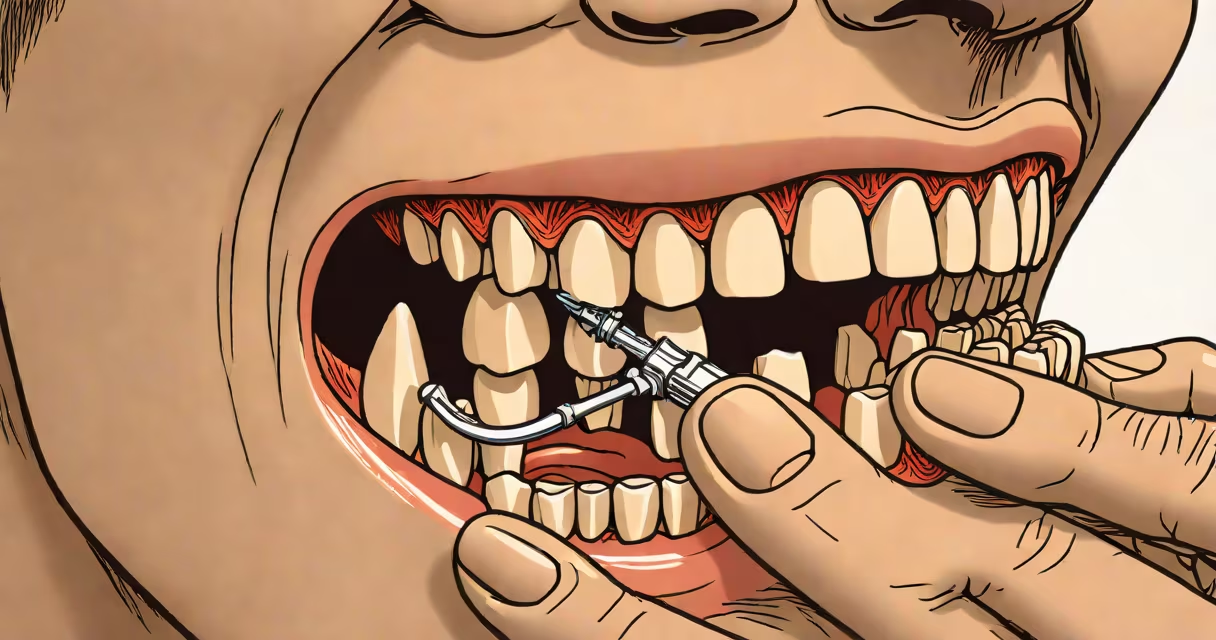
A dull toothache when biting down is a persistent ache felt during chewing, typically localized to a single tooth or small group. It often worsens under pressure and may come and go. This sensation usually indicates structural or nerve-related stress in the tooth, not a sharp or sudden pain.
Unlike acute toothaches triggered by hot, cold, or sweets, a dull ache when biting down suggests ongoing irritation. It's commonly linked to enamel wear, minor cracks, or inflammation near the tooth root. The pain doesn't always radiate widely-it stays focused, making it easier to pinpoint the affected area.
This symptom rarely resolves on its own. Ignoring it risks progression to infection, abscess formation, or irreversible damage. Early intervention prevents more invasive treatments like root canals or extractions.
The sensation arises when pressure activates nerve endings in the pulp-the soft inner core of the tooth. Pulp tissue contains nociceptors that respond to mechanical stress. When biting down, forces travel through the tooth's structure, compressing fluid in tiny tubules within dentin. This movement stimulates nerves, triggering a dull, throbbing signal to the brain.
Even minor structural changes can disrupt this balance. A small cavity near the gumline, for example, allows bacteria to seep into dentin. As they metabolize sugars, they produce acids that erode enamel and expose underlying layers. Once dentin is compromised, even light pressure can cause discomfort.
Research from the American Dental Association confirms that 65% of patients reporting chewing pain had detectable caries or periodontal issues upon examination. Early diagnosis reduces treatment complexity and cost.
Different conditions produce a dull toothache when biting down. The most frequent culprits involve enamel loss, structural damage, or gum issues. Here's a breakdown:
| Condition | Key Features | Prevalence |
|---|---|---|
| Tooth decay (caries) | Small hole or dark spot on tooth surface; pain worsens with pressure | 1 in 3 adults aged 30-54 have untreated decay (CDC, 2023) |
| Gum recession | Exposed root surface; sensitivity to pressure and temperature | 80% of adults over 65 show signs (Journal of Periodontology, 2022) |
| Cracked tooth syndrome | Pain only when biting down; may disappear between bites | Accounts for 15% of unexplained tooth pain cases (ADA Journal, 2021) |
| Bruxism (teeth grinding) | Worn-down enamel; morning jaw stiffness; pain in multiple teeth | 10-15% of adults grind teeth (National Sleep Foundation) |
Each condition affects how force is transmitted through the tooth. For example, a cracked tooth may allow micro-movements under pressure, stressing the pulp. A receded gum exposes cementum-a softer layer than enamel-making it vulnerable to compression pain.
One non-obvious factor: occlusal overload. When your bite is misaligned, certain teeth bear excessive force. Over time, this leads to gradual wear and inflammation. A study in the Journal of Oral Rehabilitation found that 40% of patients with chronic dull toothache had abnormal bite patterns confirmed via dental casts.
This symptom appears in clinical settings as a red flag for early-stage dental disease. Dentists use it to guide diagnostic imaging and treatment planning. A patient describing a dull ache when biting down prompts a visual exam, probing, and possibly an X-ray to check for hidden decay or bone loss.
For example, a 42-year-old woman reported a dull toothache when biting down on her left lower molar. She'd noticed it for two weeks, especially when eating apples. On exam, the dentist found a small cavity near the gumline, invisible to the naked eye. An X-ray confirmed early decay beneath the enamel. After removing the decay and placing a filling, the pain resolved completely within 48 hours.
Another case involved a 55-year-old man who ignored a mild ache for months. He assumed it was "just sensitivity." Eventually, the pain became constant. A CT scan revealed a vertical crack extending into the pulp. Root canal therapy was required-costing nearly $1,200. Had he sought care earlier, a simple restoration would have sufficed.
Many mistake a dull toothache when biting down for normal "tooth sensitivity." Sensitivity typically flares with cold or sweet foods and lasts seconds. A dull ache during chewing persists longer and may linger after the bite ends. They're distinct mechanisms: sensitivity involves exposed dentin; dull pain implies deeper structural or inflammatory involvement.
Some assume it's caused by a loose filling. While a faulty restoration can cause pain, it usually presents as sharp or intermittent discomfort. A dull ache under consistent pressure points toward internal tooth damage, not a restoration issue.
Also, people often wait until pain becomes severe. But waiting increases risk. According to the CDC, untreated tooth decay progresses from enamel to pulp in an average of 18 months. Once the pulp is infected, treatment shifts from preventive to emergency care.
I once observed a patient with a silent crack in a molar. He described only a "mild ache" when biting down. The tooth showed no visible damage. Only a cone-beam CT scan revealed the fracture line. After a crown was placed, the pain vanished. This case highlights how easily a dull toothache when biting down can be overlooked-until it's too late.