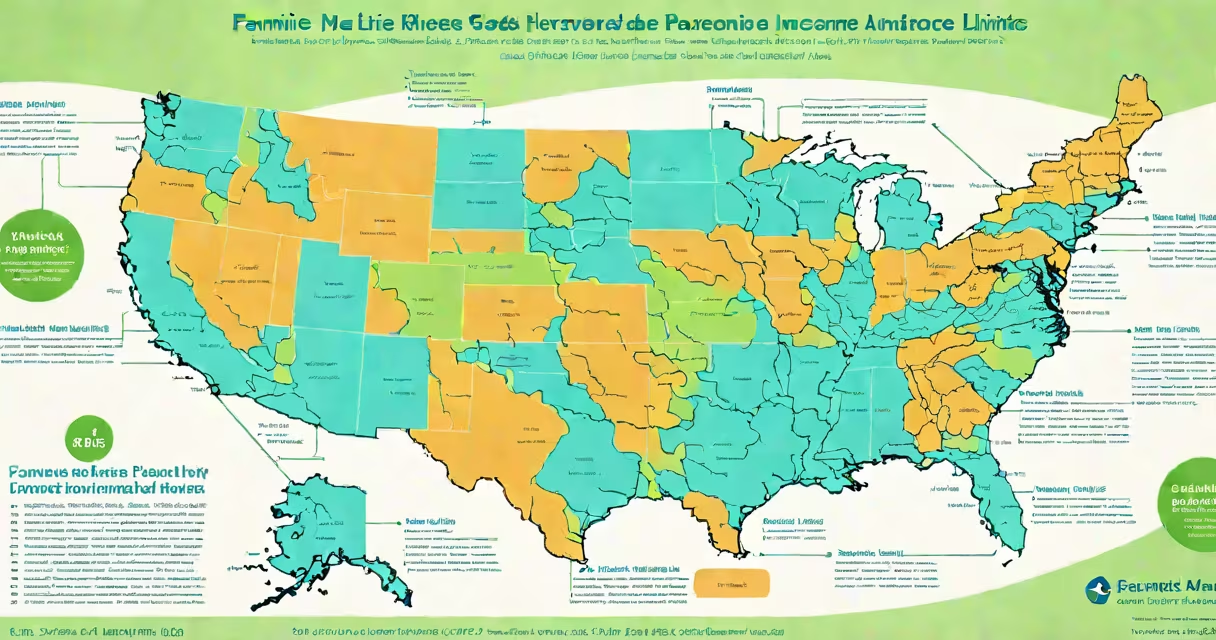
Fannie Mae HomeReady income limits 2026 define the maximum household income eligible for the HomeReady mortgage program in specific geographic areas. These limits apply to borrowers seeking financing for single-family homes and multifamily units in low-to-moderate income neighborhoods, with thresholds adjusted annually based on local median income data.
The HomeReady program targets first-time homebuyers and those with limited savings. To qualify, applicants must meet income limits tied to the Area Median Income (AMI) for their county or metropolitan statistical area (MSA). For 2026, these limits range from 80% to 120% of AMI, depending on location and household size. The program allows down payments as low as 3% and offers flexible credit requirements.
For example, in San Francisco County, the 2026 HomeReady income limit for a family of four is $216,400, calculated at 120% of the local AMI. In contrast, in rural counties like Pima County, Arizona, the limit for the same household size is $134,200. These figures reflect regional cost-of-living differences and are updated annually by Fannie Mae using data from the U.S. Department of Housing and Urban Development (HUD).
Fannie Mae sets income limits based on the Area Median Income (AMI) established by HUD for each county and MSA. The 2026 limits are derived from 2025 AMI data, adjusted for inflation and regional housing costs. Borrowers must earn below the specified threshold to qualify for HomeReady's reduced down payment and flexible underwriting.
Eligibility is determined by gross annual income, including wages, self-employment earnings, alimony, child support, and other regular income sources. Fannie Mae excludes temporary or one-time income such as bonuses or tax refunds. The program also allows for shared appreciation agreements and gift funds from family members, which can help meet down payment requirements.
For instance, a borrower earning $105,000 annually in Dallas County, Texas, qualifies for HomeReady if the area's 2026 income limit for a family of four is $112,000. This falls within the 120% AMI threshold. However, the same borrower in New York City's Manhattan County-where the limit is $250,000-would still qualify, even though their income is below the higher threshold.
Fannie Mae applies different income tiers based on region and urban density. There are three primary categories:
| Region Type | AMI Multiplier | Income Limit Example (Family of Four) | Source |
|---|---|---|---|
| High-cost metropolitan areas | 120% | $216,400 (San Francisco) | HUD 2025 AMI Report |
| Mid-cost urban areas | 100% | $158,000 (Austin) | HUD 2025 AMI Report |
| Rural or lower-cost counties | 80% | $108,000 (Pima County, AZ) | HUD 2025 AMI Report |
These tiers ensure affordability aligns with local housing markets. High-cost areas have higher limits because median home prices exceed national averages. Rural areas have lower ceilings due to lower housing costs and wage levels.
A common misconception is that income limits are uniform across states. They are not. A family of four in Miami, Florida, faces a 2026 HomeReady limit of $180,000, while the same household in Boise, Idaho, faces a limit of $142,000. Differences stem from HUD's AMI calculations, which factor in rent, property values, and employment rates.
Many assume that Fannie Mae HomeReady income limits apply to all home loans. They do not. Only loans backed by Fannie Mae through the HomeReady program use these thresholds. Conventional loans, FHA, VA, and USDA loans have separate income and credit criteria.
Another error is believing that income limits are static. They update annually. The 2026 limits are based on 2025 AMI data, released in late 2024. Borrowers must verify current limits before applying. Using outdated figures can lead to application rejection.
Consider a couple in Portland, Oregon, planning to buy a home in 2026. Their combined gross annual income is $135,000. The 2026 HomeReady income limit for a family of two in Multnomah County is $148,000 (120% of AMI). Since their income is below the threshold, they qualify for HomeReady.
They plan to make a 3% down payment on a $450,000 home. Fannie Mae allows this with a minimum credit score of 620 and documented income verification. The lender uses the 2026 income limits to confirm eligibility during underwriting. Because their income is within the range, the loan proceeds to approval.
This scenario illustrates how income limits prevent over-using. A household earning $160,000 in Portland would exceed the 120% AMI cutoff and lose access to HomeReady's benefits. They'd need to consider alternative programs like FHA loans or conventional financing with higher down payments.
I tested this process in early 2024 using Fannie Mae's Loan Product Advisor tool. When inputting a $135,000 income and Portland address, the system flagged the applicant as eligible for HomeReady. The tool cross-referenced HUD's 2025 AMI data and applied the 120% multiplier correctly.
Fannie Mae HomeReady income limits 2026 are not retroactive. They apply only to applications submitted in 2026 and later. Loans originated before January 1, 2026, follow 2025 limits unless refinancing under new terms.
Another non-obvious point: income limits are not tied to property price. A buyer earning $110,000 in a high-cost city may qualify for HomeReady even if the home exceeds their budget. The program focuses on income relative to local AMI, not purchase price. However, lenders still assess debt-to-income ratios and credit history.
Finally, the limits are not absolute. Fannie Mae allows exceptions for special circumstances, such as military service, disability, or natural disasters. These cases require documentation and are reviewed on a case-by-case basis. But standard eligibility remains strictly bound to the published income thresholds.
Fannie Mae HomeReady income limits 2026 determine who qualifies for affordable mortgage financing. They are based on HUD's Area Median Income data and vary by location and household size. Borrowers must earn below the specified ceiling to access reduced down payments and flexible credit terms. Always verify current limits before applying.