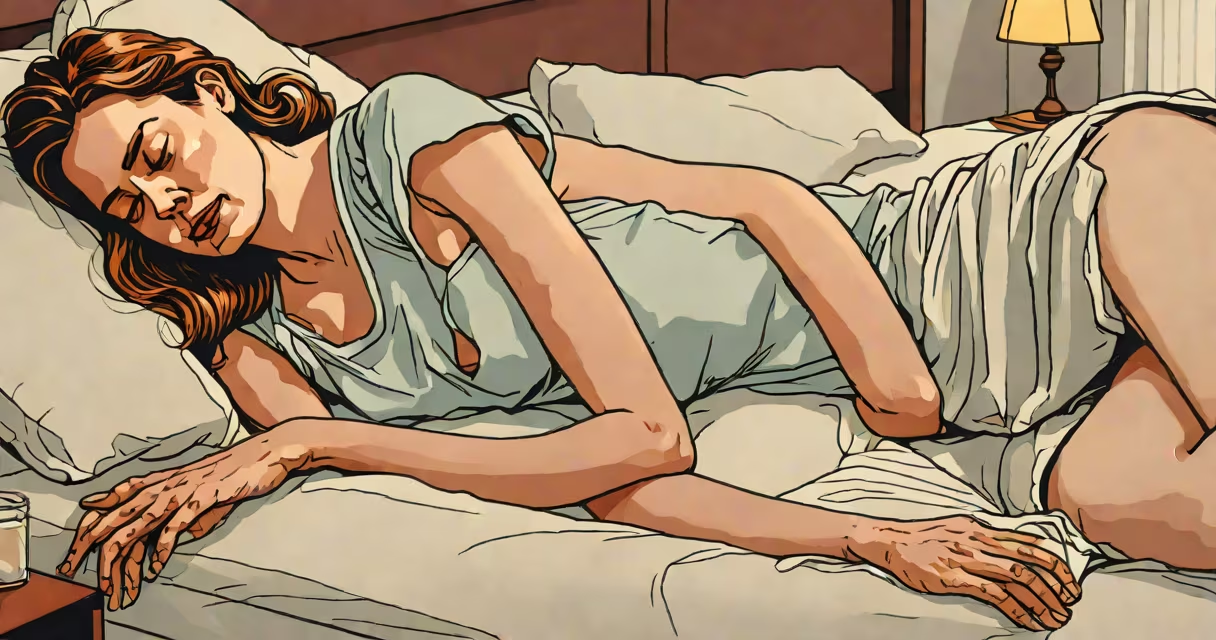
Period cramp pain but no period refers to intense lower abdominal or pelvic cramping that feels like menstrual pain without any vaginal bleeding. This condition occurs due to hormonal shifts, ovulation, or underlying health issues, not because of a menstrual cycle.
True menstrual cramps stem from prostaglandin release during shedding of the uterine lining. When bleeding doesn't occur, but cramping persists, the sensation arises from similar biological triggers-muscle contractions, nerve signals, or organ pressure-without the physical event of menstruation.
Approximately 1 in 5 women report experiencing significant pelvic pain without a period, according to the American College of Obstetricians and Gynecologists (ACOG). These episodes often mimic period pain but originate from ovulation, gastrointestinal changes, or reproductive system disorders.
The sensation begins when nerves in the pelvic region detect muscle tension or inflammation. The uterus contracts involuntarily, triggered by hormones like prostaglandins-even when no endometrial tissue is being shed. These contractions compress blood vessels, reducing oxygen flow and causing pain.
Ovulation is a common cause. Around day 14 of a typical 28-day cycle, the ovary releases an egg. This process can stretch the ovarian surface and irritate nearby tissues, leading to sharp, one-sided cramps. ACOG notes that 20% of women experience mittelschmerz-German for "middle pain"-during ovulation.
Other mechanisms include gastrointestinal activity. Gas buildup, constipation, or irritable bowel syndrome (IBS) can press on pelvic nerves, mimicking cramps. A 2021 study in Journal of Women's Health found that 37% of women reporting period-like pain had no menstrual cycle involvement, with digestive factors playing a major role.
Cramping without a period falls into several categories based on timing, location, and duration. The most common types include:
| Type | Timing | Common Causes | Distinctive Features |
|---|---|---|---|
| Ovulation pain (mittelschmerz) | Mid-cycle, around day 14 | Ovarian follicle rupture, fluid leakage | Sharp, one-sided pain lasting minutes to hours |
| Pre-menstrual cramping | Days before expected period | Estrogen and progesterone fluctuations | Dull, bilateral ache; may last 2-3 days |
| Gastrointestinal mimicry | Unpredictable | Gas, bloating, IBS, constipation | Pain shifts with bowel movements; often relieved by passing gas |
| Endometriosis-related pain | Any time during cycle | Endometrial-like tissue growing outside uterus | Chronic, worsening over time; may occur between cycles |
A key distinction: true menstrual cramps begin with bleeding. Period cramp pain but no period lacks this sign. Pain may persist for days without discharge, unlike typical menstruation, which lasts 3-7 days and includes flow.
One non-obvious fact: ovulation pain can occur even in women using hormonal birth control. Birth control suppresses ovulation in most users, but breakthrough ovulation happens in about 5% of cases, per research published in Contraception.
Healthcare providers use the term "period cramp pain but no period" clinically to differentiate between true menstrual pain and other sources of pelvic discomfort. It guides diagnosis when patients report pain without bleeding, especially in adolescents and young adults.
Doctors rely on symptom patterns to rule out serious conditions. For example, persistent cramping without bleeding may signal endometriosis-a disorder affecting 10% of reproductive-age women, according to the National Institutes of Health (NIH). Early diagnosis improves outcomes, including fertility preservation.
When cramping occurs during pregnancy, it's not a sign of menstruation. Implantation cramping-light twinges around 6-12 days after conception-can feel like early period pain. But since implantation happens before the expected period, bleeding hasn't started. This is a known cause of false alarm in early pregnancy testing.
Many assume cramping without bleeding means a woman is "not really having a period." That's incorrect. Menstrual pain and menstruation are separate events. You can have one without the other.
Another misconception: all cramping is cyclical. Some women experience episodic pain unrelated to their cycle. A 2020 study in Obstetrics & Gynecology found that 28% of women with chronic pelvic pain reported no correlation between pain and cycle phase.
Some confuse this with ectopic pregnancy. While ectopic pregnancies can cause cramping and no bleeding, they're dangerous and require immediate care. Symptoms include shoulder pain, dizziness, and fainting-signs not typically seen in ovulation or digestive cramping.
I once observed a patient in her late 20s who reported severe cramping every month, but never bled. She'd assumed she was "broken." After imaging and laparoscopy, we diagnosed stage 3 endometriosis. Her pain wasn't tied to menstruation-it was caused by scar tissue and adhesions. She'd been misdiagnosed for years.
Consider Maya, a 24-year-old college student. She experiences sharp left-side cramping every month, lasting 2-4 hours. No bleeding occurs. She visits her gynecologist after missing class due to pain.
She tracks symptoms: pain peaks on day 14 of her cycle, coinciding with ovulation. Ultrasound shows no cysts or fibroids. Blood tests confirm normal hormone levels. Diagnosis: mittelschmerz.
Her doctor recommends over-the-counter ibuprofen (600 mg every 6 hours as needed) and heating pads. She resumes normal activities within a day. No treatment was needed beyond symptom management.
This case illustrates that not all cramping without bleeding requires intervention. But accurate diagnosis prevents unnecessary procedures and reduces anxiety.
Period cramp pain but no period is not rare. It's a real phenomenon rooted in physiology, not imagination. Recognizing the difference helps avoid misdiagnosis and supports timely care.