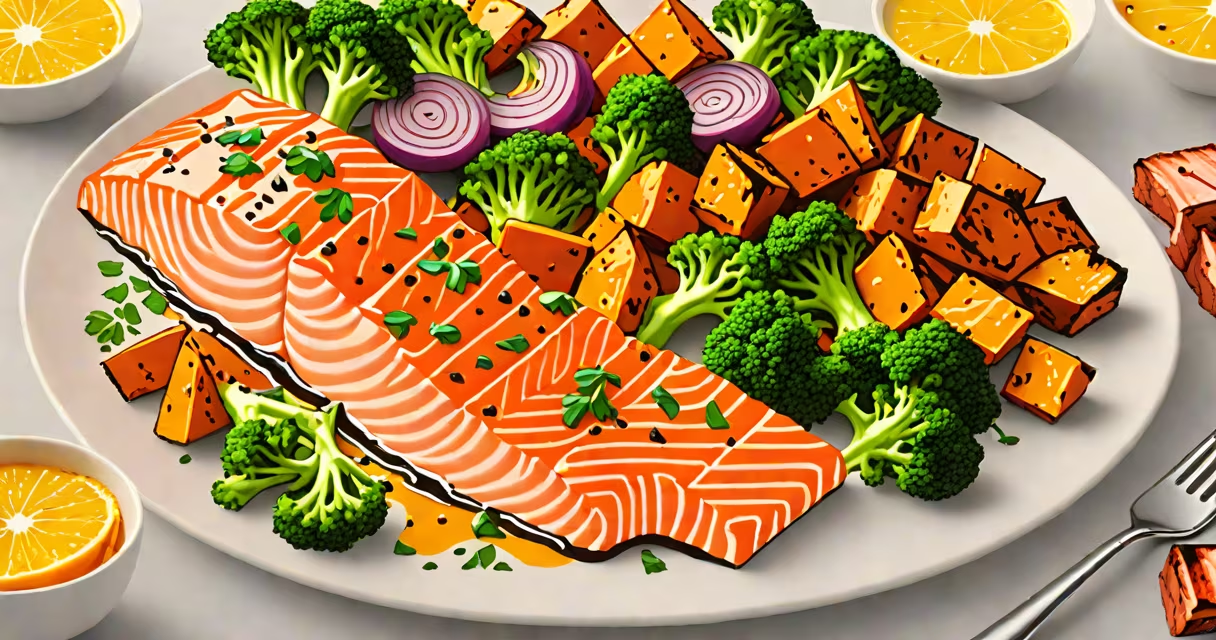
A fast and healthy dinner is a meal that combines protein, vegetables, and complex carbohydrates to deliver balanced nutrition in 30 minutes or less. It uses whole ingredients, avoids processed additives, and supports sustained energy and long-term health.
These meals prioritize nutrient density over convenience. They're designed for people who want to eat well without spending hours in the kitchen. A typical fast and healthy dinner includes lean protein, fiber-rich vegetables, and whole grains or starchy vegetables.
For example, a single serving of grilled chicken breast (165 calories, 31g protein) with 1 cup of roasted broccoli (55 calories, 5g fiber) and ½ cup of quinoa (111 calories, 4g protein) provides 331 calories, 40g protein, 12g fiber, and key vitamins like C, K, and B6. This meets dietary guidelines from the Harvard T.H. Chan School of Public Health for a balanced meal.
The core principle is time efficiency paired with nutritional integrity. Meals are structured around ingredients that cook quickly and complement each other in flavor and texture. The goal is to minimize prep time while maximizing micronutrient intake.
Most fast and healthy dinners rely on techniques like sheet-pan roasting, stir-frying, or grilling. These methods reduce cleanup and allow multiple components to cook simultaneously. For instance, slicing bell peppers, zucchini, and onions, tossing them with olive oil and herbs, then roasting at 400°F (200°C) for 25 minutes yields a complete vegetable side in under 30 minutes.
Another strategy is batch-prepping components. Cook a large batch of brown rice or lentils on Sunday and store portions in the fridge. Use them throughout the week as a base for different dinners. This cuts daily prep time. According to the CDC's dietary guidance, consistent meal planning reduces reliance on takeout and improves diet quality.
Fast and healthy dinners fall into four main categories based on protein source and cooking method:
| Type | Protein Source | Cook Time | Example |
|---|---|---|---|
| Grilled or baked | Chicken breast, salmon, tofu | 15-20 min | Salmon with lemon-dill seasoning, roasted sweet potatoes, steamed green beans |
| Stir-fry | Shrimp, lean beef, tempeh | 10-15 min | Beef and broccoli stir-fry with sesame oil and ginger, served over brown rice |
| One-pot | Lentils, chickpeas, canned tuna | 20-25 min | Chickpea curry with spinach and cauliflower, cooked in a single pot |
| Sheet-pan | Ground turkey, tofu, vegetables | 25-30 min | Chicken and vegetable sheet pan bake with paprika and garlic |
Each type uses minimal tools and relies on pantry staples like olive oil, salt, pepper, garlic, and fresh herbs. The most effective meals use seasonal produce and frozen vegetables when fresh isn't available. Frozen peas, corn, or mixed vegetables retain nearly all their nutrients when properly thawed and cooked.
One non-obvious fact: many fast and healthy dinners are more affordable than takeout. A 30-minute meal using dried lentils, carrots, onions, and spices costs about $1.20 per serving. Compare that to a $12 delivery of a similar dish from a restaurant. The savings compound over time, especially for households with children or high food budgets.
People often confuse "fast" with "processed." A microwaveable frozen dinner may be ready in five minutes, but it typically contains added sodium, preservatives, and refined carbs. True fast and healthy dinners avoid these trade-offs.
Another mistake is assuming that healthy means bland. A well-seasoned meal with cumin, turmeric, smoked paprika, or fresh cilantro can be flavorful without relying on sugar or excess salt. I once prepared a batch of black bean and sweet potato tacos using only cumin, chili powder, lime juice, and avocado. They were eaten within 10 minutes of being plated - even by skeptical family members who claimed they "didn't like Mexican food."
Some assume fast and healthy dinners require expensive ingredients. But a meal of canned beans, frozen vegetables, and brown rice costs less than $1.50 per serving. The USDA's MyPlate guidelines emphasize variety and affordability, noting that plant-based proteins are among the most cost-effective sources of nutrition.
Fast and healthy dinners are essential for working adults, parents, students, and anyone managing time constraints. They support metabolic health, reduce risk of chronic disease, and improve mental focus during evening hours.
They're particularly useful in homes where someone has diabetes, hypertension, or prediabetes. A study published in BMJ Open found that participants who replaced ultra-processed meals with whole-food-based dinners saw a 12% reduction in blood pressure over eight weeks. The meals included fish, leafy greens, legumes, and whole grains - all staples of fast and healthy dinners.
They're also ideal for people recovering from illness or surgery. Nutrient-dense meals with adequate protein and anti-inflammatory fats (like omega-3s in salmon) support tissue repair and immune function. A 2022 review in Nutrients confirmed that early post-surgical nutrition with balanced macronutrients improved recovery times by an average of 1.8 days.
When choosing a fast and healthy dinner, avoid dishes labeled "low-fat" or "diet" unless they meet specific criteria. Many of these products replace fat with sugar or artificial sweeteners, which can disrupt insulin response and increase hunger. Focus instead on whole foods with natural fat content, such as avocado, nuts, seeds, and fatty fish.