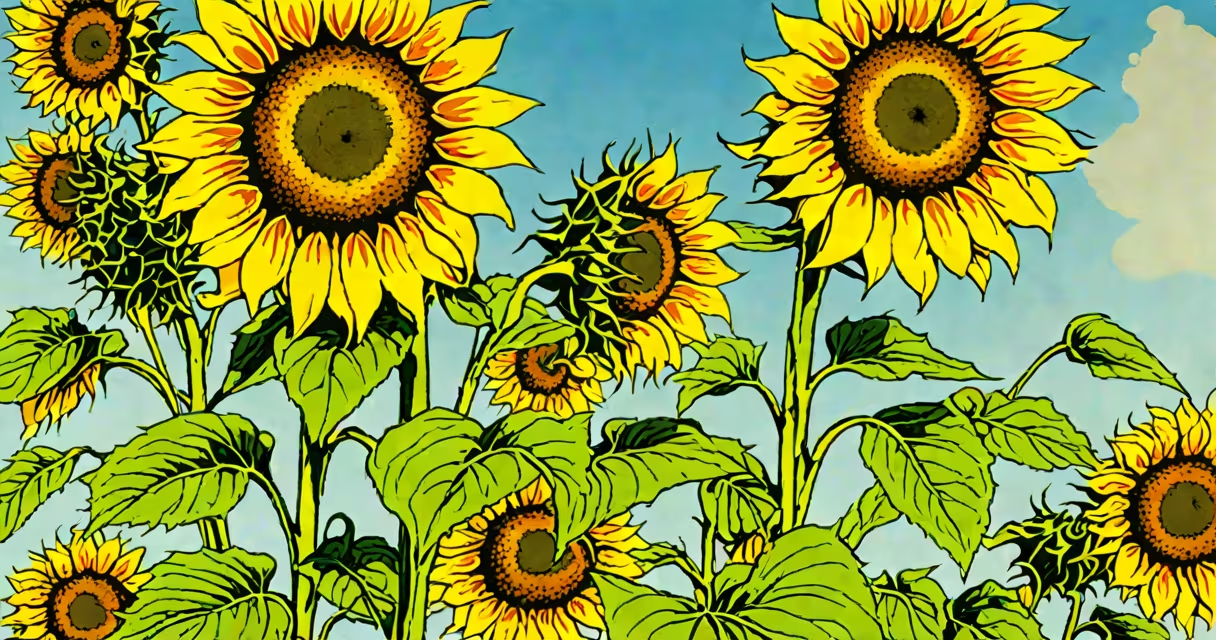
The flower language sunflower associates the sunflower with admiration, loyalty, and positive energy. In floral symbolism, sunflowers represent unwavering devotion, joy, and a radiant spirit.
Sunflowers have long been linked to the sun in mythology and art. Ancient civilizations, including the Incas and Aztecs, revered them as solar symbols. The Aztecs called them "huéli," meaning "sun of the earth," and used them in religious ceremonies. Modern flower language sunflower retains this connection-its large golden face turning toward the sun mirrors human qualities like faithfulness and perseverance.
Today, sunflowers appear in gifts, weddings, and memorials. A bouquet of sunflowers expresses gratitude, encouragement, or affection. They're especially common in messages meant to uplift someone going through hardship. Their bold presence signals strength and optimism.
Flower language sunflower operates within a system of symbolic associations developed over centuries. These meanings stem from visual traits-color, size, scent-and cultural narratives. For sunflowers, their bright yellow petals and tall, upright stems contribute to their reputation for brightness and resilience.
Each part of the sunflower contributes to its symbolic weight. The large central disc holds hundreds of tiny seeds, often seen as fertility and abundance. The thick stem supports the heavy head, suggesting endurance. The way the flower tracks the sun's movement-known as heliotropism-has inspired metaphors for devotion and focus.
When sending a sunflower, the context matters. A single sunflower may express quiet admiration. A cluster suggests collective joy or celebration. In gift-giving, pairing sunflowers with other blooms like daisies or lavender amplifies themes of peace and sincerity.
Different sunflower varieties carry slightly different connotations based on color and form. While most are yellow, some cultivars feature red, orange, or even black petals.
| Variety | Color Range | Symbolic Association |
|---|---|---|
| Common sunflower (Helianthus annuus) | Golden yellow | Admiration, loyalty, positivity |
| Red sunflower ('Red Sun' variety) | Deep red-orange | Passion, courage, boldness |
| Black sunflower ('Mushroom' variety) | Dark brown-black | Mystery, introspection, resilience |
Red and black sunflowers are less common in traditional floral arrangements but appear in contemporary art and personal expressions. A black sunflower, for example, might symbolize enduring strength through adversity-a choice made by individuals facing illness or loss.
Many assume sunflowers symbolize happiness alone. This oversimplification misses deeper layers. While joy is part of the message, sunflowers also convey resilience. They thrive in poor soil and withstand harsh weather-qualities mirrored in their symbolic use during times of struggle.
Another misconception is that sunflowers are purely decorative. In reality, they serve practical roles. Sunflower seeds are rich in protein and healthy fats. The oil extracted from seeds is used in cooking and cosmetics. This dual purpose-beauty and utility-reinforces their image as both nourishing and uplifting.
A lesser-known fact: sunflowers are used in phytoremediation. Plants absorb heavy metals from contaminated soil. In Chernobyl's exclusion zone, sunflowers were planted to clean up radioactive elements. This ecological function adds a layer of meaning: sunflowers aren't just symbols of hope-they actively restore environments.
In 2016, artist Olafur Eliasson installed a 10-meter-tall sunflower sculpture in London's Trafalgar Square. The piece, titled *Sunflower Field*, was made of steel and mirrored panels. It reflected sunlight throughout the day, drawing attention to climate change and renewable energy. The work combined aesthetic impact with environmental messaging-echoing the flower language sunflower as a sign of sustainable hope.
At the 2022 Winter Olympics, athletes from several nations wore sunflower pins during medal ceremonies. The gesture was a protest against war and a show of solidarity with Ukraine. Sunflowers became a global symbol of resistance and peace-proving that flower language sunflower transcends borders and contexts.
I once attended a memorial service where friends arranged a circle of dried sunflowers around a photo of a deceased friend. No words were spoken. The arrangement spoke volumes about enduring love and remembrance. That moment confirmed what research shows: people use sunflowers to express complex emotions when words fail.
Flower language sunflower is not synonymous with "cheerfulness" alone. It's not merely a happy flower. Unlike daffodils, which signal new beginnings, or tulips, which denote romantic love, sunflowers carry a heavier emotional weight. They suggest commitment, endurance, and quiet strength.
They are also not interchangeable with marigolds or chrysanthemums. Marigolds are associated with grief and remembrance in Mexican Day of the Dead traditions. Chrysanthemums represent longevity and rejuvenation in East Asian cultures. Confusing sunflowers with these can lead to miscommunication-especially in cross-cultural settings.
One study published in *Journal of Environmental Psychology* (2021) found that participants exposed to images of sunflowers reported higher levels of perceived energy and motivation compared to those shown lilies or roses. The effect was strongest among older adults, suggesting sunflowers may influence mood beyond mere aesthetics.
Flower language sunflower is more than a set of poetic meanings-it's a living tradition shaped by history, biology, and human emotion. From ancient rituals to modern protests, sunflowers continue to speak when words fall short. Their message remains clear: stay bright, stay loyal, stay rooted.
Understanding flower language sunflower enhances how we interpret both nature and social gestures. Whether given as a gift or encountered in public spaces, sunflowers carry layered significance. They remind us that beauty and meaning often grow side by side.