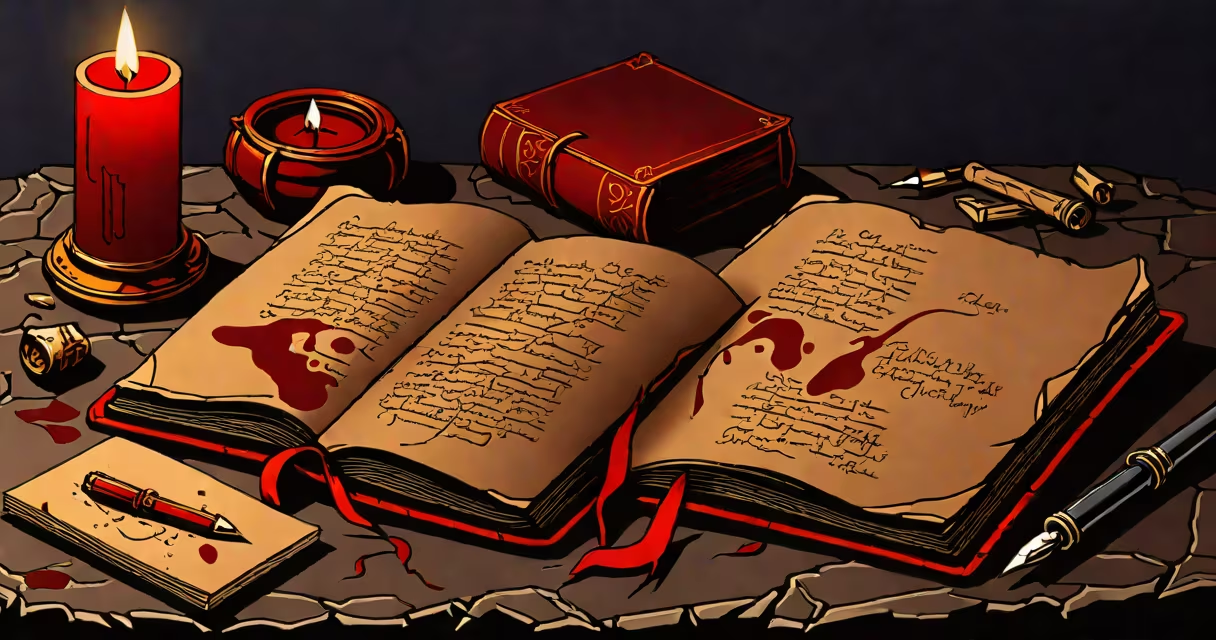
Dark fantasy writing prompts are narrative triggers that combine gothic atmosphere, psychological tension, and supernatural elements to inspire stories set in morally compromised worlds where evil is not just present-it's embedded in the fabric of reality. These prompts challenge writers to explore power, corruption, and survival in settings where hope is rare and consequences are permanent.
Unlike standard fantasy tropes centered on heroic quests or clear good-versus-evil conflicts, dark fantasy writing prompts focus on decay, loss, and transformation. They often feature cursed landscapes, fallen gods, haunted cities, or characters whose choices erode their humanity. The genre thrives on unease-not just fear, but existential dread. A prompt might ask: "What happens when a village sacrifices its children to keep the river from drying?" or "After centuries of silence, the dead begin speaking through mirrors."
These prompts aren't just about horror-they're about consequence. They force writers to consider what people do when they've lost everything, including their sense of right and wrong. The best ones don't just suggest a scene; they imply a history, a cost, and a turning point. A single line can enable entire character arcs, world layers, and thematic depth.
Each prompt functions as a narrative seed. It presents a situation, a question, or a sensory detail that demands a response. The writer doesn't start with plot-they start with mood, setting, or character dilemma. The prompt acts as a catalyst for discovery, not a blueprint.
For example: "The last priest of the Hollow God dies whispering your name." This line contains multiple layers: a dying religious figure, a forgotten deity, a personal connection, and implied danger. It suggests a world where faith is dangerous, memory is weaponized, and identity is tied to divine betrayal. From this, a story could emerge about a survivor hunted by cultists who believe the protagonist is the reincarnated god.
Writing with such prompts requires embracing ambiguity. There's no "right" way to respond. The goal isn't completion-it's exploration. You might spend ten minutes drafting a single paragraph, then realize the real story lies in the silence between the lines. That's intentional. Dark fantasy rewards hesitation, doubt, and unresolved endings.
Not all dark fantasy prompts are the same. They fall into distinct categories based on structure and focus. Understanding these types helps you choose the right one for your current project or practice session.
| Prompt Type | Focus | Example | Best For |
|---|---|---|---|
| Atmospheric | Sensory immersion | "The air tastes like burnt hair and old prayers." | Setting development, mood building |
| Character-Driven | Motivation and flaw | "She kills her sister to keep the family alive-but the house remembers." | Internal conflict, moral complexity |
| Worldbuilding | Systemic horror | "Every newborn in the city is given a name that predicts their death." | Mythos creation, societal critique |
| Supernatural Event | Unnatural occurrence | "The moon cracked last night. Now the stars blink in time with the dead." | Plot initiation, symbolic storytelling |
Many writers default to supernatural events because they feel dramatic. But atmospheric prompts often yield richer results. A single line describing a smell or sound can evoke more dread than a full monster reveal. The scent of wet stone and iron in a cathedral corridor? That's not just setting-it's memory, trauma, and ritual. It implies a past violence that lingers in the architecture itself.
Writers use dark fantasy writing prompts during brainstorming, revision, or daily practice. They're especially effective for overcoming blank-page anxiety. When you're stuck, a well-crafted prompt forces movement-even if it's wrong at first. The act of responding builds momentum.
A real-world example: the 2023 NaNoWriMo (National Novel Writing Month) challenge included a dark fantasy track. Participants received weekly prompts like "Your town's festival always ends with a child disappearing. This year, you're the one chosen." Over 12,000 writers submitted drafts using such prompts. Many later expanded them into full novels. One winner, *The Hollow Choir*, began with the line: "They sang my name into the ground." That single sentence became the core of a story about a girl raised by a singing corpse in a city where music is currency and memory is stolen.
Dark fantasy is often mistaken for horror. While both feature dread and grotesque imagery, they differ in intent. Horror aims to shock or frighten. Dark fantasy aims to unsettle, provoke reflection, and expose hidden truths. A horror story might show a monster eating a character. A dark fantasy story shows the community thanking the monster for ending a plague-and then offering the next victim.
Another misconception: dark fantasy requires bleakness. Not true. Some of the most useful dark fantasy stories contain moments of beauty, tenderness, or fleeting joy. The contrast makes the darkness heavier. Consider *The City We Became* by N.K. Jemisin. It features a city possessed by ancient spirits, war-torn neighborhoods, and a protagonist who slowly loses her mind-but also includes quiet scenes of lovers sharing bread in a ruined subway station. The beauty isn't erased; it's endangered.
One non-obvious fact: many dark fantasy writing prompts originate from real historical trauma. The concept of "cursed villages" echoes actual 17th-century European witch trials. "Children taken by shadows" reflects documented cases of mass disappearances during wartime. Writers don't invent these fears-they excavate them. Using prompts rooted in real pain creates authenticity even in fictional worlds.
Try this: take the prompt "The last living tree in the city speaks only in riddles." Now answer three questions:
I did this during a writing retreat in rural Oregon. I sat by a creek, notebook open. I imagined a woman named Elira, a former botanist, now exiled for trying to grow plants in a sterile zone. She hears the tree. It says: "I am the wound that remembers." I paused. What if the tree isn't a plant? What if it's a person-the last survivor of a failed experiment to merge humans with flora? The riddle isn't about meaning-it's about recognition. Solving it means accepting that the city's foundation was built on ecological murder.
That idea became a short story titled *The Last Word*. It wasn't published, but it helped me understand how dark fantasy prompts aren't just tools-they're mirrors. They reflect not just the world you're building, but the fears and hopes you carry.
Use dark fantasy writing prompts to test your limits. Push beyond "what happens next" to "why does this matter?" Let the discomfort linger. Let the silence speak. The most enduring stories aren't those with happy endings-they're the ones that stay with you long after the page turns.