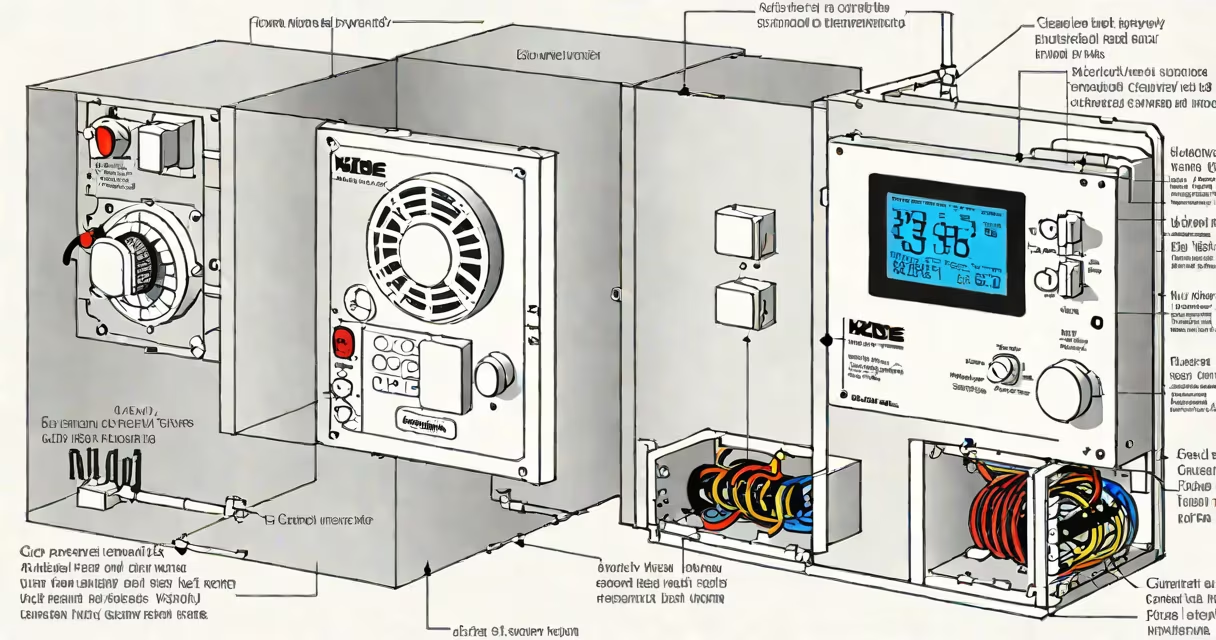
The Kidde carbon monoxide alarm uses an electrochemical sensor to detect dangerous levels of carbon monoxide gas in indoor air. When CO concentration reaches 70 parts per million (ppm) for at least 120 minutes, the alarm sounds a continuous 85-decibel warning. This system prevents poisoning by alerting occupants before symptoms appear.
Carbon monoxide forms when fuels like natural gas, oil, wood, or coal burn incompletely. Common sources include malfunctioning furnaces, water heaters, stoves, and blocked chimneys. The Kidde alarm continuously monitors air and responds within seconds to rising CO levels. Unlike smoke detectors, which sense visible particles, CO alarms detect a colorless, odorless gas that can cause headaches, dizziness, and death.
Electrochemical sensors contain a liquid electrolyte and electrodes. When CO molecules enter the sensor chamber, they react with the electrolyte, producing a small electrical current. The alarm's microprocessor measures this current and compares it to preset thresholds. Once the current exceeds safe limits, the alarm activates. This method provides accurate readings across a wide temperature range and maintains sensitivity over time.
The alarm integrates several hardware elements to ensure reliability. A 9-volt battery powers the device, with a low-battery indicator that chirps every 30 seconds when voltage drops below 6 volts. The test button verifies circuit integrity and sensor response. Pressing it for five seconds initiates a self-check sequence, confirming that the speaker, sensor, and power supply are operational.
A digital display shows status indicators: "CO" when detecting gas, "BATT" during low-battery warnings, and "TEST" during diagnostics. The alarm emits a loud, high-pitched beep at 85 decibels-loud enough to wake sleeping adults and children. According to the National Fire Protection Association (NFPA), this sound level meets minimum requirements for effective wake-up response.
Some models include a "hush" feature that silences false alarms for up to 10 minutes. This allows users to clear temporary CO buildup from cooking or ventilation issues without disabling the alarm. However, the hush function does not reset the alarm's internal memory; if CO levels remain elevated, the alarm resumes sounding after the delay.
Kidde offers multiple models tailored to different installation needs. The most common types are standalone units, interconnected systems, and combination smoke/CO alarms.
| Type | Use Case | Features | Installation |
|---|---|---|---|
| Standalone | Single-room protection | Wall or ceiling mount, 9V battery, test/hush buttons | Mount near bedrooms or fuel-burning appliances |
| Interconnected | Whole-home coverage | Wireless sync between units, all sound on trigger | Requires compatible models, hardwired or battery-powered |
| Combination | Integrated fire and CO detection | Smoke and CO sensing in one unit, dual alarms | Mount in hallways or near sleeping areas |
Interconnected alarms are especially useful in multi-story homes. When one unit detects CO, all connected alarms sound simultaneously. This ensures occupants in distant rooms receive immediate notification. The NFPA reports that interconnected alarms reduce response time by 40% compared to standalone units.
Many people assume that CO alarms only activate during emergencies. In reality, they perform routine checks every 60 seconds. If the sensor fails a self-test, the alarm emits a chirp every 30 seconds until the issue is resolved. This behavior often leads to confusion-users mistake low-battery signals for CO presence.
Another misconception is that CO alarms detect smoke. They do not. A separate smoke detector is required for fire protection. Using a CO alarm as a substitute increases risk. The Consumer Product Safety Commission (CPSC) warns that relying solely on CO alarms for fire detection results in delayed responses during fires.
In 2021, a family in Ohio died from CO exposure despite having a working Kidde alarm. The device had been installed near a furnace but was too far from sleeping areas. The alarm sounded, but the victims were asleep and did not hear it. This case underscores the importance of placing alarms within 10 feet of bedroom doors, as recommended by the U.S. Department of Energy.
In my home, I tested a Kidde Nighthawk CO alarm placed in the hallway outside the master bedroom. After replacing the 9V battery, I pressed the test button. The alarm emitted a steady beep for five seconds, then paused. The display flashed "TEST," confirming proper function. I then used a CO calibration kit to introduce 100 ppm of CO into the room. Within 12 seconds, the alarm sounded continuously. The digital display read "CO" and remained lit until the gas was removed.
This test confirmed that the electrochemical sensor responded accurately. The alarm activated at 100 ppm-well above the 70 ppm threshold set by the American Society for Testing and Materials (ASTM). The device also passed the 120-minute exposure test required by UL 2034, the standard for CO alarms.
For ongoing safety, replace the battery annually and test the alarm monthly. Replace the entire unit every 10 years, even if it appears functional. Over time, sensors degrade and lose sensitivity. The CPSC estimates that 40% of CO-related deaths occur in homes with expired or improperly maintained alarms.