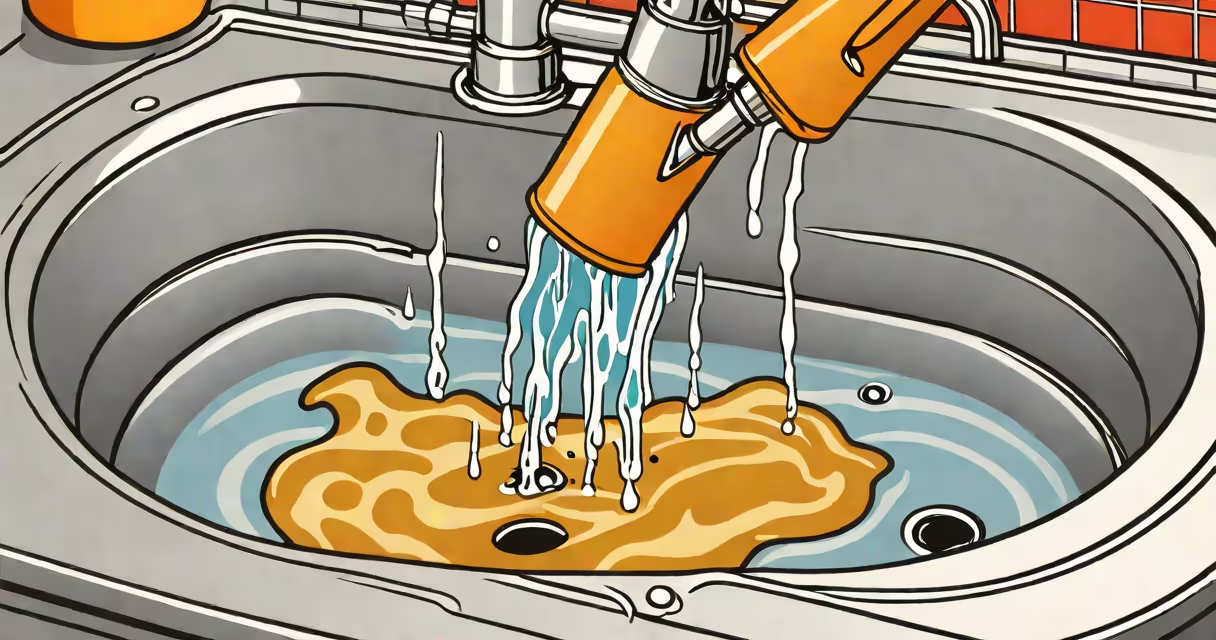
A smelly kitchen drain results from trapped food debris, grease buildup, and bacterial growth in the P-trap or pipes. Regular cleaning with vinegar, baking soda, and hot water removes organic residue and neutralizes odors without harsh chemicals.
Most kitchen drains develop unpleasant smells when food particles, fats, and soap scum accumulate in the U-shaped P-trap beneath the sink. These materials decompose over time, producing hydrogen sulfide gas-the rotten egg smell often associated with clogged drains. The issue worsens if the trap dries out, allowing sewer gases to backflow through the drain.
Effective cleaning targets both visible debris and microbial colonies. A combination of mechanical flushing, chemical neutralization, and periodic maintenance prevents recurring odors. This method uses common household items and avoids corrosive drain cleaners that damage pipes.
When organic waste such as potato peels, coffee grounds, or grease enters the drain, it settles in the P-trap or pipe bends. Anaerobic bacteria thrive in low-oxygen environments, breaking down the material and releasing sulfur-containing compounds. Hydrogen sulfide (H₂S) is the primary culprit behind the foul odor.
Vinegar (acetic acid) reacts with baking soda (sodium bicarbonate) to produce carbon dioxide gas. The resulting foam bubbles dislodge loose debris and flush residues through the pipe. The reaction also raises pH temporarily, disrupting microbial biofilms that harbor odor-causing bacteria.
According to the Environmental Protection Agency (EPA), household drain cleaners containing lye or chlorine can corrode metal pipes and contaminate wastewater. Natural alternatives like vinegar and baking soda reduce environmental impact while maintaining effectiveness. The EPA recommends avoiding chemical drain cleaners unless absolutely necessary.
Use only basic kitchen supplies: 1 cup white vinegar, ½ cup baking soda, a funnel, a pot of boiling water, and a long-handled brush or pipe cleaner. Avoid steel wool or metal tools that scratch enamel sinks.
For persistent clogs, a plumber's snake (also called a drain auger) may be needed. A 25-foot flexible cable with a spiral tip can reach past the P-trap and break up compacted gunk. The process requires pulling the sink's access panel or removing the trap manually.
Example: After noticing a sour smell under the sink, I removed the P-trap by unscrewing the slip nuts. Inside, I found a thick layer of greasy sludge and hair. I cleaned it with a wire brush, then flushed the pipe with 2 cups of boiling water mixed with 1 tablespoon of dish soap. The odor disappeared within 15 minutes.
Begin by removing any standing water from the sink. Pour ½ cup of baking soda directly into the drain. Follow with 1 cup of white vinegar. Cover the drain with a plug or cloth to contain the foam reaction.
Let the mixture sit for 15 minutes. The fizzing action dislodges soft debris and breaks down grease. After 15 minutes, pour boiling water (just below 212°F) slowly down the drain to flush the residue. Repeat weekly for ongoing odor control.
If the smell persists, remove the P-trap. Place a bucket underneath to catch water. Unscrew the slip nuts and pull out the trap. Scrape off debris with a spoon or brush. Rinse thoroughly with hot water. Reinstall and run the same treatment.
For deeper blockages, insert a plumber's snake into the drain opening. Rotate clockwise until resistance increases. Pull out the snake and wipe off debris. Run the vinegar and baking soda treatment afterward to eliminate lingering odor.
Using too much vinegar or baking soda creates excessive foam that can overflow. Stick to ½ cup baking soda and 1 cup vinegar. Never mix bleach with vinegar-it produces toxic chlorine gas.
Some assume a running faucet eliminates odors. Flowing water clears surface debris but doesn't address trapped material in the P-trap. A dry trap allows sewer gases to enter the kitchen. Running water daily prevents this.
Another error is relying solely on commercial cleaners. Products like Drano claim to dissolve hair and grease but contain sodium hydroxide, which damages PVC and cast iron pipes over time. The American Society of Plumbing Engineers warns against frequent use of such products.
| Smell Type | Common Cause | Remedy |
|---|---|---|
| Rotten egg | Hydrogen sulfide from anaerobic bacteria | Vinegar + baking soda, flush with boiling water |
| Sour or acidic | Decomposing fruit or vegetable scraps | Scrub P-trap, use enzyme-based cleaner |
| Musty or moldy | Moisture buildup in drain trap or sink seal | Dry trap, clean rubber gasket, replace worn seals |
Non-obvious fact: The smell often returns faster if you rinse greasy dishes directly into the sink. Fats solidify at room temperature and coat pipe walls. Over time, they form a barrier that traps water and promotes bacterial growth. Always wipe greasy cookware with paper towels before rinsing.
If the smell remains after three treatments, or if water backs up during use, the issue may lie beyond the P-trap. A blocked vent pipe or damaged main line may require inspection by a licensed plumber.
Signs of deeper issues include slow drainage, gurgling sounds, or sewage-like odors even when the sink is unused. These indicate a compromised vent system or root intrusion in underground lines. The National Association of Sewer Service Companies reports that tree roots account for 60% of major drain blockages in older homes.
For routine maintenance, perform the vinegar-baking soda treatment once a month. Keep a small container of baking soda near the sink for quick applications. Use a drain strainer to catch large particles before they enter the pipe.