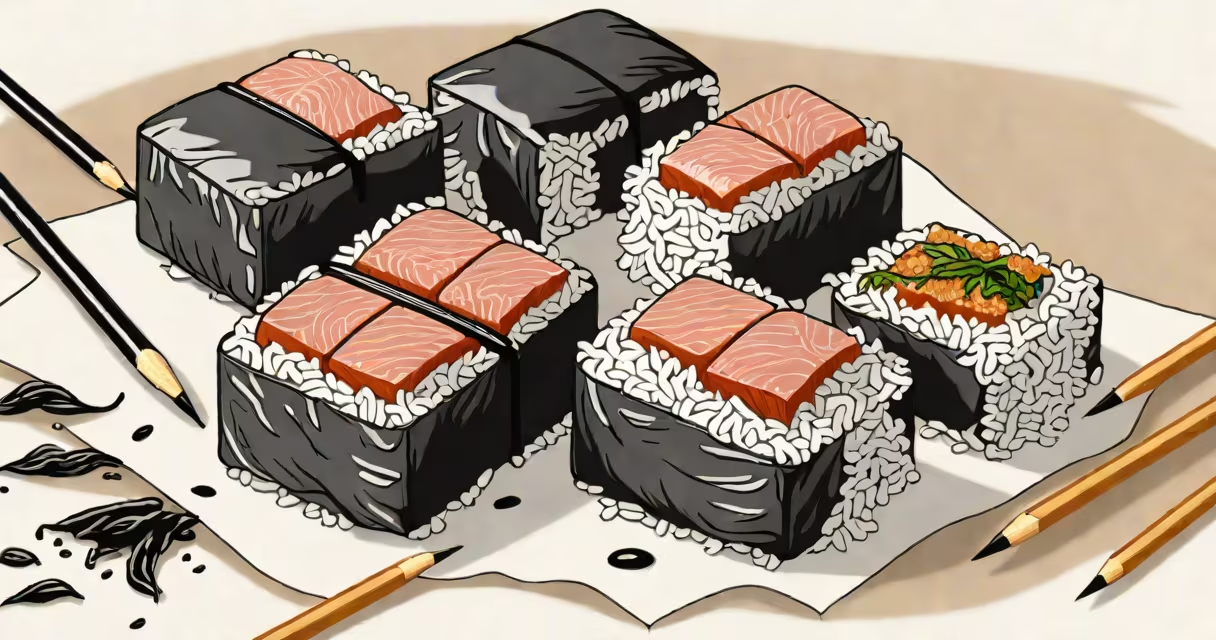
How to make spam musubi involves wrapping seasoned spam between sticky sushi rice and a sheet of nori, then slicing it into bite-sized pieces. This handheld dish originated in Hawaii and remains a popular snack or meal across the Pacific.
Spam musubi consists of three core components: cooked sushi rice, seasoned spam, and dried seaweed (nori). The rice is typically prepared with a mix of rice vinegar, sugar, and salt. The spam is pan-fried or grilled until caramelized and slightly crisp. The nori adds texture and holds the roll together. The entire assembly is then cut into uniform squares or rectangles.
The dish gained popularity in the 1940s and 1950s after Spam was introduced to Hawaii during World War II. With limited fresh meat available, canned Spam became a dietary staple. Local cooks adapted it into a portable meal by combining it with rice and seaweed-ingredients already central to traditional Japanese cuisine. Today, it's served at convenience stores, school lunches, and family kitchens throughout Hawaii and beyond.
Sushi rice forms the base. It must be short-grain Japanese rice cooked with a ratio of 1 part rice to 1.25 parts water. After cooking, it's mixed with a dressing of 2 tablespoons rice vinegar, 1 tablespoon sugar, and ½ teaspoon salt per 2 cups of cooked rice. This seasoning gives the rice its signature tang and stickiness.
Spam is the protein component. Not all varieties work equally well. The standard canned Spam with a 60% fat content provides the ideal balance of flavor and texture. Lower-fat versions can dry out during cooking. The spam is sliced into ¼-inch thick strips and pan-seared over medium heat for 2-3 minutes per side until golden brown and slightly crispy.
Nori sheets are essential for structure and flavor. They're not edible raw-they must be toasted lightly in a dry pan or under a broiler for 10 seconds per side. Toasted nori becomes crisp and releases a savory umami aroma. It wraps around the rice and spam, holding the musubi together and adding a salty crunch.
Begin by preparing 2 cups of sushi rice. Rinse the rice under cold water until the water runs clear. Cook it in a saucepan with 2.5 cups of water over medium heat. Once boiling, reduce to low, cover, and simmer for 18 minutes. Remove from heat and let sit, covered, for 10 minutes.
While the rice cooks, mix the seasoning: 2 tbsp rice vinegar, 1 tbsp sugar, and ½ tsp salt in a small bowl. Stir until dissolved. Fluff the cooked rice with a wooden spoon and fold in the seasoning while warm. Let it cool to room temperature-this prevents the rice from becoming gummy.
Preheat a skillet over medium heat. Place the spam slices in a single layer and cook for 2-3 minutes per side until browned and edges crisp. Remove and set aside to cool slightly.
Place a sheet of nori on a bamboo mat or flat surface. Spread about ¾ cup of cooled rice evenly over the nori, pressing gently to form a 4x6 inch rectangle. Leave a 1-inch border at the top edge. Place a strip of spam across the center of the rice, then roll the musubi tightly using the mat or your hands. Press firmly to seal.
Use a sharp knife to slice the roll into 1-inch thick pieces. Wipe the blade clean between cuts to prevent sticking. Serve immediately or store in an airtight container for up to 24 hours.
One frequent error is using cold rice. Warm rice clumps and doesn't hold shape. Always let the rice cool to room temperature before assembling. Another issue is overcooking the spam-it turns rubbery and loses its flavor. Pan-fry just until golden, not until dry.
Using wet nori causes the musubi to fall apart. Always toast nori briefly before use. Some people skip the seasoning step, but omitting the vinegar-sugar mix results in bland rice. The dressing is not optional-it defines the dish's character.
A lesser-known tip: placing a small piece of plastic wrap under the musubi while rolling helps prevent sticking. Also, using a silicone spatula to press the rice ensures even distribution without tearing the nori.
While classic spam musubi uses plain Spam, regional and creative versions exist. Some chefs substitute spicy tuna, teriyaki chicken, or even tofu for the protein. Others add sesame seeds or a dash of sriracha to the rice.
There are two common formats: the traditional square cut and the long rectangular roll. The square version is easier to eat and often served at events. The rectangular form is better for stacking and transporting.
| Type | Size | Best For | Common Use |
|---|---|---|---|
| Classic Square | 2x2 inches | Snacks, school lunches | Convenience stores, picnic baskets |
| Long Rectangular | 3x1.5 inches | Meal prep, sharing | Family gatherings, party trays |
| Mini Musubi | 1x1 inch | Appetizers, party platters | Weddings, holiday events |
Despite its popularity, spam musubi is sometimes confused with other Asian rice snacks. It's not the same as onigiri-though both are rice balls with fillings. Onigiri typically uses plain rice and may contain fish or pickled vegetables. Spam musubi always includes seasoned spam and nori.
Another misconception is that it's purely American or Western. While it became iconic in Hawaii, its roots lie in Japanese culinary traditions. The combination of rice and preserved meat echoes older Japanese dishes like karaage and natto-musubi. The name "musubi" itself comes from the Japanese word for "knot," referring to the way the ingredients are tied together.
I once made spam musubi for a beach picnic in Maui. I used local Spam from a nearby factory and rice from a farmer's market. The result was firm, flavorful, and held up perfectly in the sun. A friend asked if I'd made it with "real" Japanese ingredients. I explained that authenticity in this dish lies in tradition, not origin-what matters is the taste and cultural context.
According to the University of Hawaii's College of Tropical Agriculture and Human Resources, spam musubi accounts for nearly 30% of all prepared food sales at local convenience stores. The state's Department of Health notes that it's a balanced meal-providing protein, carbohydrates, and trace minerals from the nori. These figures confirm its role not just as a snack, but as a functional food in daily life.
When making spam musubi, focus on texture and balance. The rice should cling without being gluey. The spam should be savory and slightly sweet, not overly salty. The nori should crackle when bitten. Adjust seasoning to taste, but never skip the vinegar-sugar mix-it's the soul of the dish.