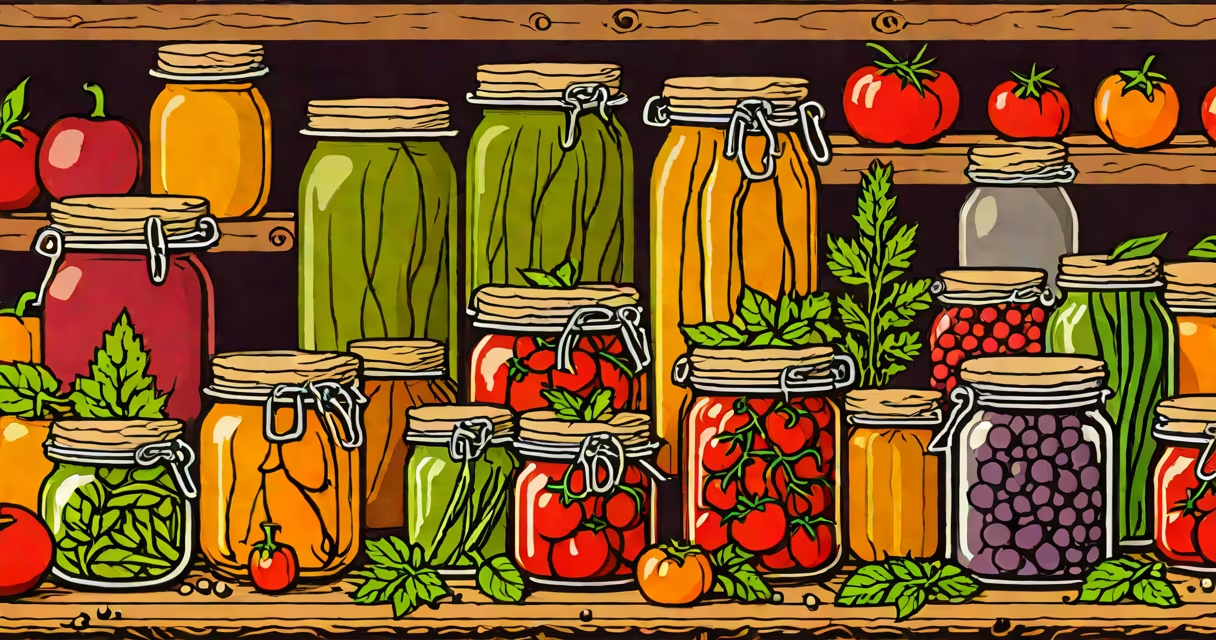
Preservation of food is the process of treating and handling food to stop or slow down spoilage, loss of quality, and nutrient degradation. It extends shelf life, maintains safety, and allows access to ingredients beyond their natural growing season. This method has evolved from ancient practices like sun-drying and salting to modern technologies such as vacuum sealing and controlled-atmosphere storage.
Food spoils due to microbial growth, enzymatic reactions, oxidation, and physical damage. Preservation targets these causes through temperature control, chemical barriers, moisture removal, or exclusion of oxygen. The goal is not to make food last forever, but to keep it safe and usable for days, months, or even years depending on the method.
According to the U.S. Department of Agriculture (USDA), proper food preservation reduces food waste by up to 30% in household settings. The World Health Organization (WHO) notes that unsafe preservation practices contribute to over 600 million cases of foodborne illness annually worldwide. These figures show that preservation is not just about convenience-it's a public health necessity.
Microorganisms like bacteria, yeasts, and molds cause most food spoilage. They thrive in moist, warm environments and break down proteins, fats, and carbohydrates. Preservation disrupts their ability to grow by altering conditions they depend on.
Temperature is the most direct tool. Refrigeration slows microbial activity below 4°C (40°F), while freezing stops it entirely at -18°C (0°F). Canning uses heat to destroy pathogens and enzymes, then seals the container to prevent recontamination. Drying removes water, which microbes need to survive-this is why jerky lasts longer than raw meat.
Chemical methods include adding salt, sugar, vinegar, or preservatives like sodium benzoate. Salt draws out moisture via osmosis, creating a hostile environment for microbes. Vinegar lowers pH, making the environment acidic enough to inhibit many harmful bacteria. The FDA regulates approved preservatives based on toxicity and effectiveness data.
Methods fall into four broad categories: thermal, dehydration, chemical, and mechanical. Each targets different spoilage mechanisms.
| Method | How It Works | Best For | Example |
|---|---|---|---|
| Drying | Removes water to halt microbial growth | Fruits, meats, herbs | Dried apricots, beef jerky |
| Refrigeration | Slows bacterial metabolism | Dairy, leafy greens, cooked meals | Chilled milk, stored salad |
| Canning | Heat sterilizes contents, then seals | Tomatoes, beans, soups | Home-canned green beans |
| Fermentation | Uses beneficial microbes to outcompete harmful ones | Milk, cabbage, fish | Kimchi, yogurt, fermented fish paste |
A lesser-known fact: fermentation doesn't rely solely on lactic acid. Some traditional methods, like those used in Ethiopian injera bread, depend on wild yeast strains naturally present in grain flour. These microbes create carbon dioxide, which leavens the dough and preserves it through acidity buildup.
When combining methods, results improve. For example, vacuum-sealed meat stored at 4°C lasts six weeks-without vacuum sealing, it may spoil in five days. The synergy between low temperature and oxygen removal is why modern packaging often includes both features.
Many people assume that "natural" means "preserved." But raw honey, though long-lasting, still spoils if exposed to moisture. Similarly, home-canned goods are not automatically safe. A single botulism outbreak in 2022 traced back to improperly processed green beans led to hospitalizations. The USDA warns that pressure canning is required for low-acid foods-boiling water baths fail to reach the necessary 121°C (250°F).
Another mistake is equating shelf-stable with safe indefinitely. Canned goods have a "best-by" date, not a "use-by" date. After that, nutritional value declines and flavor deteriorates. The FDA states that canned foods remain safe past their label date if unopened and stored properly-but quality diminishes over time.
Some believe freezing kills bacteria. It doesn't. Freezing halts their reproduction but doesn't eliminate them. Thawed food must be handled carefully to avoid cross-contamination. A study published in Food Microbiology found that 14% of frozen chicken samples tested positive for Salmonella after thawing, despite being frozen for over three months.
I once preserved 10 pounds of peaches using a water bath canner. Following a trusted recipe from the National Center for Home Food Preservation, I peeled, sliced, and packed them in sugar syrup. After processing for 25 minutes at 8 pounds of pressure, I stored them in a cool, dark pantry. Twelve months later, they retained color and texture-though slightly softer than fresh.
This experience confirmed that proper technique matters. I used new lids, cleaned jars thoroughly, and ensured the headspace was correct. Any deviation-like using a cracked jar or skipping the boiling step-would have risked contamination. The process took 4 hours, but the result was 10 jars of fruit ready for winter use.
Modern preservation tools like sous-vide machines and freeze dryers have expanded options. But for most households, simple methods like salting, drying, and fermenting remain effective and accessible. These techniques require minimal equipment and align with seasonal availability.
Understanding preservation of food isn't just about avoiding waste. It's about knowing how to store, prepare, and consume food safely. fermenting cabbage into sauerkraut, the principles remain consistent: control moisture, limit oxygen, regulate temperature, and monitor for signs of spoilage.