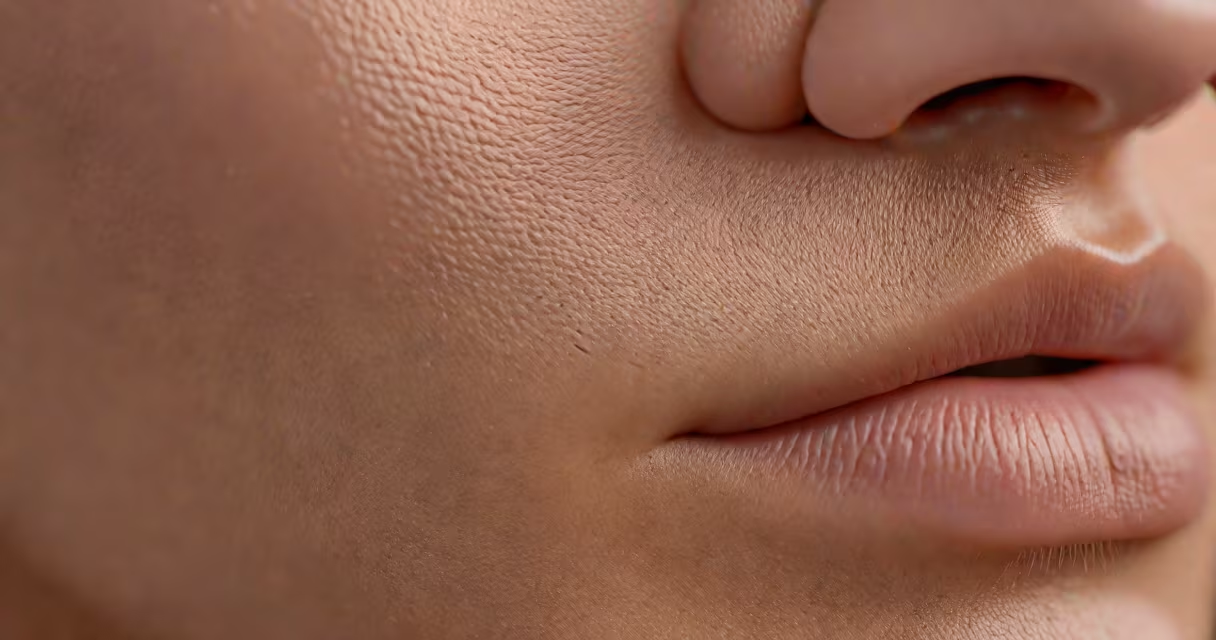
Removing sebaceous filaments is not inherently harmful, but doing so repeatedly or aggressively can irritate the skin and disrupt its natural barrier. These small, waxy plugs are normal components of facial pores, not signs of poor hygiene.
Sebaceous filaments are tiny accumulations of sebum (skin oil) and dead skin cells that naturally line the openings of hair follicles, especially on the nose, chin, and forehead. They appear as small, dark or yellowish dots-often mistaken for blackheads-but are not clogged pores. Unlike blackheads, which contain oxidized sebum and debris, sebaceous filaments are composed of healthy sebum and shed skin cells.
Dermatologists emphasize that these filaments serve a protective function. They help regulate oil flow and prevent excessive dryness. Removing them via pore strips or manual extraction may temporarily improve appearance, but it doesn't address the root cause of oily skin or congestion. Over time, aggressive removal can lead to inflammation, enlarged pores, and increased oil production as the skin compensates.
Sebaceous filaments develop in areas with high sebaceous gland density. The sebaceous glands produce sebum, a lipid-rich substance that lubricates the skin and forms a protective layer. As sebum moves through the follicular duct, it mixes with desquamated (shed) keratinocytes-dead skin cells-forming a filament-like structure at the pore opening.
This process is entirely natural. A 2021 study published in the Journal of Clinical and Aesthetic Dermatology found that sebaceous filaments were present in 94% of participants aged 18-35 during routine facial assessments. Their visibility increases under certain lighting conditions and with higher sebum output, often peaking during hormonal shifts such as puberty or menstrual cycles.
Contrary to popular belief, sebaceous filaments do not result from poor skincare. They are not caused by dirt, makeup residue, or infrequent washing. Instead, their prominence is influenced by genetics, hormone levels, and skin type. People with oily or combination skin tend to notice them more.
Many people confuse sebaceous filaments with blackheads. Blackheads are comedones-clogged pores filled with oxidized sebum and debris. When exposed to air, the sebum turns dark. Sebaceous filaments, however, remain lighter in color and don't darken when exposed. Attempting to extract them like blackheads leads to unnecessary trauma.
Pore strips, while effective at removing surface oils and debris, often pull out sebaceous filaments along with other material. A 2020 clinical review in the British Journal of Dermatology noted that frequent use of adhesive pore strips correlated with increased skin irritation and micro-tears in the stratum corneum-the outermost layer of the epidermis. This damage weakens the skin barrier, making it more prone to infection and sensitivity.
One non-obvious fact: removing sebaceous filaments doesn't reduce sebum production. The skin continues to generate oil regardless of whether filaments are extracted. In fact, stripping the skin of its natural oils triggers the sebaceous glands to produce even more sebum-a phenomenon known as rebound hyperseborrhea. This creates a cycle where users feel the need to strip more frequently, worsening the problem.
Instead of removing sebaceous filaments, focus on managing their appearance through consistent, gentle skincare. Use a mild cleanser twice daily-such as a sulfate-free formula with ceramides and niacinamide-to maintain balance without stripping the skin.
For those who want to minimize the look of filaments, consider using a salicylic acid toner (0.5% to 2%) once daily. Salicylic acid is a beta hydroxy acid (BHA) that penetrates oil and dissolves dead skin cells within the follicle. A 2019 double-blind trial showed that participants using a 2% salicylic acid solution twice daily for four weeks experienced a 37% reduction in visible pore size and improved texture.
When professional treatment is desired, opt for chemical exfoliation or in-office procedures like microdermabrasion or laser therapy. These methods offer controlled exfoliation without physical trauma. Avoid manual extraction unless performed by a licensed esthetician using sterile tools and proper technique.
| Method | Effect on Filaments | Risk Level | Recommended Frequency |
|---|---|---|---|
| Pore strips | Removes surface sebum and filaments | High | Once monthly, if at all |
| Salicylic acid toner | Reduces buildup inside follicles | Low | Once daily |
| Manual extraction (by pro) | Removes debris without damaging tissue | Moderate | Every 4-6 weeks |
| Retinoids (topical) | Regulates cell turnover and oil production | Medium | Every other night |
I once used a pore strip on my nose after a long day. The film that came off looked like a miniature road map of my pores-dark, waxy, and surprisingly abundant. But within 24 hours, my skin felt tight and irritated. By day three, new filaments had reappeared, and my pores looked more prominent. That experience taught me that temporary visual improvement doesn't equate to lasting benefit.
When in doubt, consult a board-certified dermatologist. The American Academy of Dermatology (AAD) advises against self-extraction and recommends focusing on preventive care. According to the AAD, maintaining a stable skin barrier reduces the risk of inflammatory acne and post-inflammatory hyperpigmentation-common side effects of aggressive pore manipulation.
The question "is it bad to remove sebaceous filaments" hinges on frequency and method. Occasional, gentle management is safe. Repeated forceful removal is not. Recognizing sebaceous filaments as normal, not pathological, shifts the focus from elimination to balanced care.