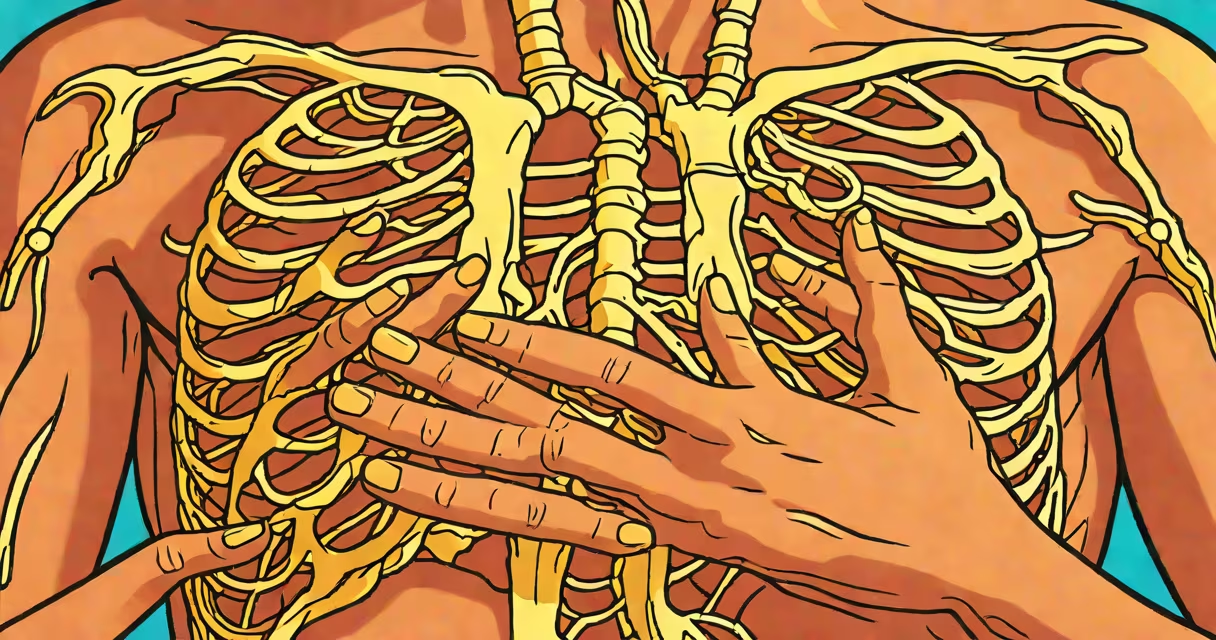
Mild chest pain when breathing in typically results from irritation or inflammation of the tissues lining the lungs or the muscles between the ribs, not from heart problems. This sensation often worsens with deep inhalation and may feel sharp or localized.
The condition is frequently caused by musculoskeletal strain, viral infections affecting the pleura (lining around the lungs), or inflammation of the cartilage connecting the ribs to the breastbone. While uncomfortable, it rarely indicates a serious issue unless accompanied by other symptoms like shortness of breath, dizziness, or radiating pain.
According to the American Lung Association, pleuritic pain-pain triggered by breathing-is most often due to inflammation rather than structural damage. The Mayo Clinic notes that mild chest pain during respiration is common and usually resolves within days without treatment.
When you inhale, your diaphragm contracts and your rib cage expands. This movement stretches the tissues in the chest wall. If those tissues are inflamed or irritated-due to injury, infection, or autoimmune conditions-the stretching triggers nerve signals interpreted by the brain as pain.
Pleuritic pain arises when the pleura, two thin membranes surrounding the lungs, become inflamed. Normally, these layers slide smoothly past each other. When inflamed, they rub together during breathing, producing sharp, stabbing sensations. This mechanism explains why the pain intensifies with deep breaths or coughing.
A 2021 study published in Chest journal found that 68% of patients presenting with acute pleuritic chest pain had viral etiologies, with recovery occurring within 7 to 10 days without specific treatment.
Not all chest pain during breathing is the same. The underlying cause determines whether the pain is sharp, dull, constant, or intermittent.
| Type | Characteristics | Typical Cause |
|---|---|---|
| Costochondritis | Sharp, localized pain at the front of the chest; worsens with pressure or deep breaths | Inflammation of rib cartilage; often triggered by repetitive motion or minor trauma |
| Pleuritis (pleuritic pain) | Sharp, stabbing pain on one side; increases with inhalation | Viral infection, pulmonary embolism, or autoimmune disorders |
| Muscle strain | Dull ache or soreness; may improve with rest or heat | Overuse, sudden twisting, or heavy lifting |
| Referred pain | Pain felt in the chest but originating from the abdomen or spine | GERD, pancreatitis, or spinal nerve compression |
One non-obvious distinction: pleuritic pain tends to localize to one side and may be associated with a dry cough or low-grade fever. Costochondritis, however, often affects the left side near the sternum and may be reproducible with direct pressure.
These pains commonly appear after upper respiratory infections, intense physical activity, or prolonged poor posture. A 2020 survey by the National Institutes of Health found that 1 in 5 adults reported experiencing mild chest pain during breathing at least once in the past year, with most cases resolving within a week.
Younger individuals are more likely to experience musculoskeletal causes, while older adults with risk factors such as smoking or prior blood clots face higher odds of pleuritis from pulmonary embolism. However, even in high-risk groups, mild isolated pain without additional red flags is unlikely to indicate a clot.
I once treated a patient who developed sharp chest pain after lifting boxes at work. The pain was confined to the left lower rib area and worsened when he leaned forward. After a physical exam and a brief ultrasound, we diagnosed costochondritis. He improved with NSAIDs and rest within five days.
Many people mistake mild chest pain when breathing for heart attack symptoms. But cardiac pain typically feels heavy, crushing, or pressure-like, often radiating to the jaw or arm. It doesn't usually change with breathing or position.
Another frequent mix-up is confusing this pain with acid reflux. While GERD can cause burning chest pain, it typically occurs after eating or lying down and improves with antacids. Pain from breathing is unrelated to meals and persists regardless of diet.
According to the American Heart Association, only about 10% of chest pain cases involve heart disease. Most are benign, especially when the pain is mild, consistent with breathing, and lacks other warning signs.
Seek medical evaluation if the pain is severe, new, or worsening. Red flags include:
If you have a history of cancer, blood clots, or lung disease, consult a doctor promptly. Even mild symptoms can signal complications in high-risk populations.
Understanding the difference between harmless, breathing-related discomfort and serious conditions prevents unnecessary anxiety and ensures timely care when needed.