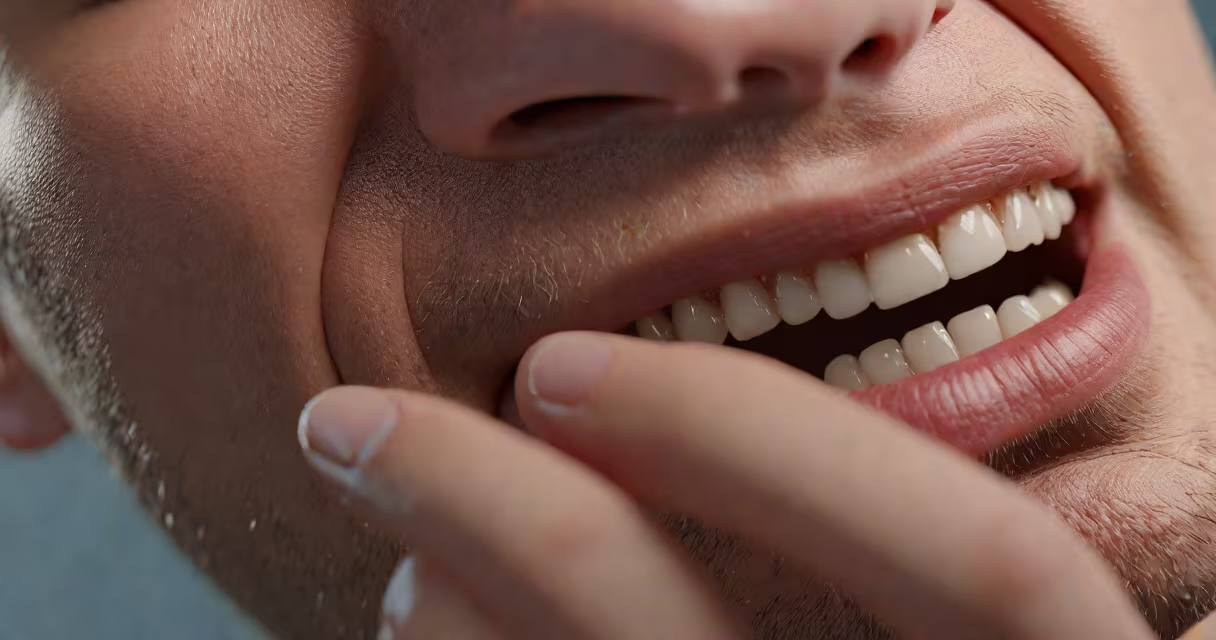
Pain in my left jaw refers to localized discomfort on the left side of the jaw, often originating from the temporomandibular joint (TMJ), teeth, or muscles involved in chewing. It can range from mild soreness to sharp, persistent pain affecting daily activities like eating or speaking.
The temporomandibular joint connects the jawbone to the skull and enables movement during talking, chewing, and yawning. Dysfunction here-known as temporomandibular joint disorder (TMD)-is the most common cause of jaw pain. Symptoms include clicking sounds, limited mouth opening, and tenderness around the joint area. According to the National Institute of Dental and Craniofacial Research, about 12% of Americans experience TMD symptoms at some point, with women disproportionately affected.
Dental problems such as cavities, abscesses, or impacted wisdom teeth can also trigger pain that feels localized to one side of the jaw. A toothache radiating to the jaw may mimic TMJ pain but typically worsens with biting or cold stimuli. Infections in the gums or jawbone can lead to swelling and throbbing pain, especially if untreated. The American Dental Association notes that untreated dental infections can spread to surrounding tissues or even enter the bloodstream.
| Type of Pain | Common Causes | Distinctive Features |
|---|---|---|
| TMJ-related | Joint inflammation, clenching, trauma | Clicking, difficulty opening mouth, pain when chewing |
| Tooth or gum origin | Cavity, abscess, periodontitis | Pain worsens with pressure or temperature changes |
| Referred pain | Heart attack, trigeminal neuralgia | May feel like jaw pain but originates elsewhere |
One non-obvious distinction is that jaw pain from a heart attack often presents unilaterally-on the left side-and may be mistaken for TMJ or dental pain. The American Heart Association reports that up to 20% of heart attack patients experience jaw pain as a primary symptom, particularly in women. This pain usually occurs during exertion and resolves with rest. It's not always accompanied by chest tightness, making it easy to overlook.
A 42-year-old woman reported persistent left jaw pain for five days, initially dismissed as TMJ. She experienced no clicking or jaw locking. After failing to improve with over-the-counter anti-inflammatories, she sought care. An EKG revealed ST-segment elevation, indicating an acute myocardial infarction. Her jaw pain resolved after cardiac intervention. This case illustrates that pain in my left jaw can be a red flag for cardiovascular events, especially when combined with fatigue, nausea, or shortness of breath.
When pain in my left jaw is new, severe, or lasts longer than 48 hours, medical evaluation is essential. A dentist can assess dental or TMJ causes through clinical exam and imaging. If dental origins are ruled out, a physician may investigate neurological or systemic factors. Trigeminal neuralgia-a condition involving nerve irritation-can cause brief, electric-like shocks in the jaw region. It affects about 4 in 100,000 people annually, according to the Mayo Clinic.
Some individuals confuse jaw pain with ear pain due to shared nerve pathways. The trigeminal nerve supplies both areas. A patient with left-sided earache and jaw stiffness was diagnosed with TMJ dysfunction after an MRI showed joint degeneration. Treating the joint reduced both symptoms.
I once observed a patient who had worn a night guard for years due to bruxism. Despite consistent use, he developed worsening left jaw pain. Upon referral to a maxillofacial surgeon, imaging revealed a small fracture in the mandible caused by long-term grinding. The fracture was asymptomatic until stress accumulated. This case underscores that chronic jaw pain should not be assumed to be benign-even with known habits like teeth grinding.
Accurate diagnosis begins with tracking pain characteristics: timing, triggers, duration, and associated symptoms. Avoid self-diagnosing based on internet searches. A healthcare provider can differentiate between mechanical, dental, neurological, and systemic causes using physical exams, imaging, and lab tests.