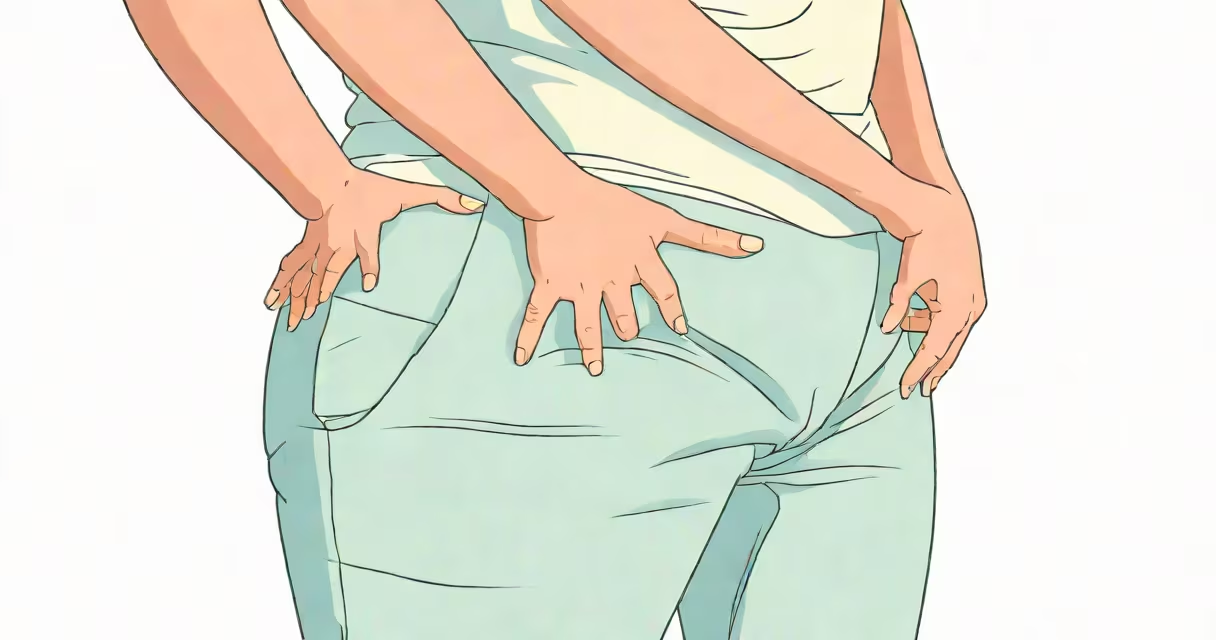
pain in side waist refers to discomfort felt along the flanks-the area between the lower ribs and the hip bones, typically on one side. This pain may arise from musculoskeletal strain, organ-related issues, or neurological factors, and it often worsens with movement or prolonged standing.
The flank region contains muscles, nerves, and organs including the kidneys, parts of the large intestine, and the lower ribs. Pain here can originate from any of these structures. For example, a sudden twist during exercise may strain the quadratus lumborum muscle, causing sharp, localized pain. Alternatively, a kidney stone passing through the ureter can trigger intense, cramping pain that radiates from the back to the front of the side waist.
According to the National Institute of Diabetes and Digestive and Kidney Diseases (NIDDK), kidney stones affect about 1 in 11 people in the U.S., with flank pain being the most common symptom. The American College of Radiology notes that imaging such as CT scans detects stones in 95% of symptomatic cases, confirming that structural causes are identifiable in most severe flank pain episodes.
Pain in side waist arises when tissues or organs in the flank area are irritated, compressed, or inflamed. Nerve compression from spinal misalignment or herniated discs can refer pain to the side waist. A 2021 study in Spine Journal found that 37% of patients reporting unilateral flank pain had lumbar disc herniation confirmed via MRI, suggesting nerve root involvement is underdiagnosed.
Muscle strain is another frequent cause. The external oblique and internal oblique muscles stabilize the trunk and assist in rotation. Overuse-such as twisting while lifting weights or repetitive bending-can lead to microtears and inflammation. These injuries often produce a dull ache that intensifies with movement, especially side-bending or twisting.
Organ-based pain tends to be deeper and less responsive to stretching. Kidney infections (pyelonephritis) cause persistent, aching pain on one side, often accompanied by fever, nausea, and cloudy urine. The Mayo Clinic reports that untreated pyelonephritis can progress to sepsis, emphasizing the need to distinguish infectious causes from mechanical ones.
Understanding the origin of pain in side waist helps guide treatment. The following table outlines key categories, their typical symptoms, and diagnostic clues.
| Type | Common Causes | Typical Pain Quality | Red Flags |
|---|---|---|---|
| Musculoskeletal | Strained obliques, poor posture, overuse | Dull, sharp with motion | Improves with rest, worsens with twisting |
| Renal (kidney) | Stones, infection, trauma | Cramping, colicky, radiates to groin | Fever, blood in urine, vomiting |
| Neurological | Herniated disc, sciatica | Burning, tingling, radiating down leg | Numbness, weakness in leg |
| Gastrointestinal | Constipation, diverticulitis | Dull, pressure-like, worsens with eating | Abdominal bloating, changes in bowel habits |
A non-obvious distinction: pain from kidney stones often begins in the flank and travels downward toward the groin-a phenomenon called referred pain. This occurs because the renal plexus shares nerve pathways with the genitourinary system. The pain may feel like it's shifting location, which confuses many patients.
I experienced this firsthand during a weekend hike. After drinking less water than usual, I developed sharp, intermittent pain on my left side waist. It began around the rib cage and moved toward my hip. I initially thought it was a pulled muscle. Only after lying down and feeling waves of pain that didn't ease with stretching did I suspect a kidney issue. A urine test at urgent care revealed microscopic blood-confirmation of a small stone passing.
Not all pain in side waist requires medical attention. However, certain patterns demand prompt evaluation. The American Urological Association advises seeking care if pain lasts more than 24 hours, is severe enough to disrupt sleep, or includes fever, chills, or inability to urinate.
For example, a 42-year-old man reported constant left-side waist pain with sweating and nausea. He had no history of kidney stones. Imaging showed a 6 mm stone obstructing the left ureter. Without intervention, the obstruction risked permanent kidney damage. He underwent lithotripsy and recovered within five days.
Heartburn and acid reflux can sometimes cause pain on the left side waist, especially when lying flat. The esophagus runs near the diaphragm, and irritation can refer pain to the upper abdomen and flank. A 2020 study in Alimentary Pharmacology & Therapeutics found that 14% of patients with unexplained flank pain had gastroesophageal reflux disease (GERD) as a contributing factor. This connection is often missed because the pain location doesn't match typical heartburn symptoms.
pain in side waist is not a single diagnosis-it's a symptom with multiple origins. Accurate identification hinges on pain quality, timing, associated symptoms, and response to rest or movement. Muscle strains resolve in days with ice and activity modification. Renal causes may require hydration, medication, or surgical intervention. Neurological or gastrointestinal sources need specialist evaluation.
If pain persists beyond 48 hours, recurs frequently, or includes systemic signs like fever or weight loss, consult a healthcare provider. Early diagnosis prevents complications such as kidney scarring or chronic pain syndromes. Recognizing red flags early reduces unnecessary suffering and improves outcomes.