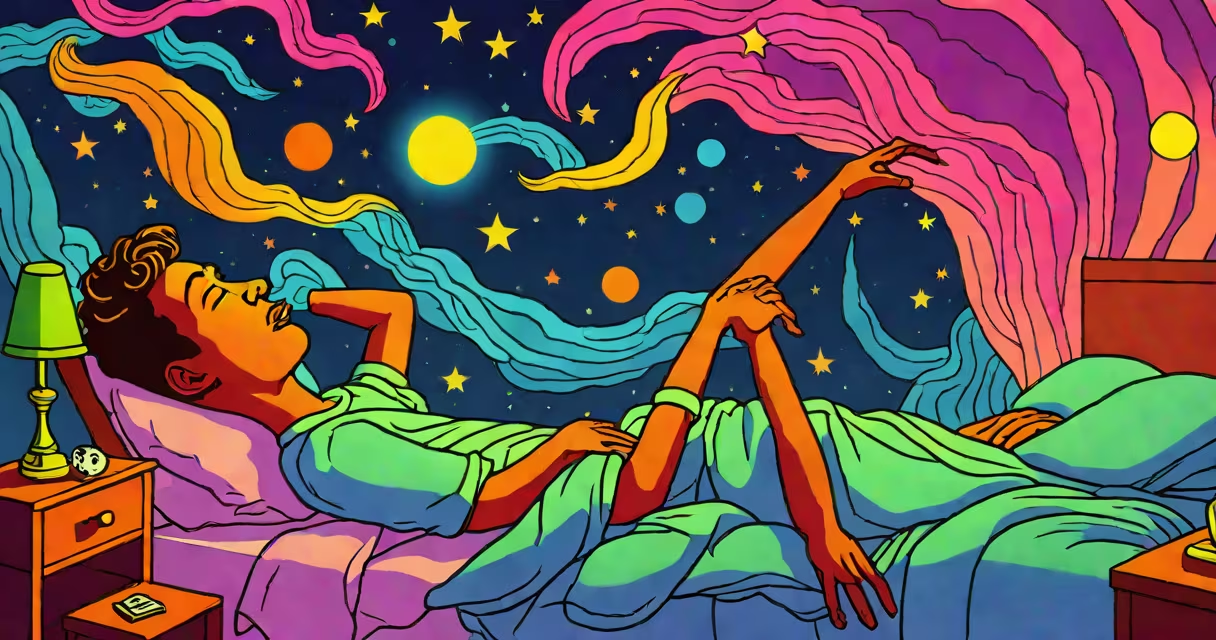
Crazy dreams meaning refers to the psychological significance of vivid, bizarre, or emotionally charged dreams that feel disconnected from waking life. These dreams often involve impossible scenarios, strange characters, or overwhelming emotions, and they typically reflect unresolved internal conflicts, stress, or subconscious processing of daily experiences.
Most people experience crazy dreams during REM sleep-the phase when brain activity mimics wakefulness. The brain consolidates memories, processes emotions, and simulates scenarios using fragments of past experiences. When this system runs unchecked, it produces surreal narratives. For example, a person who recently moved may dream of being trapped in a house with shifting walls-symbolizing anxiety about change, even if they didn't consciously think about it.
According to the American Psychological Association, 80% of adults report having at least one bizarre dream per month. These aren't random noise-they're structured mental simulations. The brain uses symbolic imagery to work through complex feelings, especially fear, guilt, or desire. A dream about flying might represent freedom; one about falling could signal insecurity. The key isn't the literal plot-it's the emotional context and recurring themes.
Crazy dreams arise from heightened neural activity in the limbic system during REM sleep. This region governs emotion, memory, and instinct. Meanwhile, the prefrontal cortex-the area responsible for logic and self-monitoring-becomes less active. Without executive control, the brain freely combines unrelated images, sounds, and sensations into narrative form.
This explains why dreams often feature illogical sequences: a conversation with a deceased relative, a car that transforms into a fish, or a classroom filled with animals. These aren't signs of mental illness. They're normal outcomes of brain function under altered states. The brain doesn't aim for realism-it seeks emotional resolution.
A 2021 study published in Nature Human Behaviour analyzed 1,200 dream reports and found that 68% involved negative emotions-fear, confusion, shame-despite the dreamer's waking mood. This suggests dreams prioritize threat detection and emotional rehearsal, even when the dreamer feels calm during the day.
Dreams fall into broad categories based on content and emotional tone. Not all bizarre dreams carry the same message. Some reflect stress, others process trauma, and a few reveal hidden desires.
| Type | Common Features | Typical Meaning |
|---|---|---|
| Nightmares | Falling, being chased, losing teeth, death | Unresolved anxiety or past trauma. Often recur during high-stress periods. |
| Lucid Dreams | Realization of dreaming while inside the dream | High self-awareness. May indicate emotional regulation or curiosity about inner states. |
| Recurring Dreams | Repeated scenes: failing exams, losing loved ones, being trapped | Unfinished business. The brain keeps trying to resolve a persistent issue. |
| Surreal Dreams | Impossible physics, talking animals, time loops | Emotional processing. Symbolic representation of internal conflict. |
For example, someone who's anxious about job performance might repeatedly dream of being late to a presentation they never prepared for. The dream isn't predicting failure-it's reflecting fear of inadequacy. Over time, tracking these patterns helps identify underlying triggers.
Many assume crazy dreams predict the future or contain hidden messages from spirits. That's not supported by science. While dreams can feel prophetic, research shows they're shaped by recent experiences, cultural influences, and personal biases-not supernatural insight.
Another myth: "Only neurotic people have weird dreams." False. Everyone experiences surreal dreams. A 2019 study in Sleep Medicine Reviews found that people with high emotional intelligence actually report more vivid dreams. Their brains are better at integrating complex feelings into symbolic narratives.
Also, not all crazy dreams are distressing. Some are joyful, creative, or playful. A dream of dancing with dinosaurs in a city park might seem absurd-but it could symbolize embracing creativity or confronting fears in a lighthearted way. The emotional tone matters more than the imagery.
In 2022, a software engineer named Maria dreamed she was walking through a dark tunnel with glowing symbols on the walls. She couldn't read them, but felt compelled to follow. After waking, she felt restless. The next day, she received an email offering her a remote job in Japan-something she'd never considered.
She later realized the dream mirrored her internal debate: the tunnel represented uncertainty, the symbols stood for new opportunities, and the urge to move forward matched her subconscious desire to change careers. She accepted the offer six weeks later. The dream didn't predict the job-it revealed her readiness for it.
This illustrates a core principle: crazy dreams meaning lies in pattern recognition, not literal decoding. You don't need a dream dictionary. Ask: What was I feeling? What happened recently? What part of my life feels unresolved?
Crazy dreams are usually harmless. But if they cause distress, disrupt sleep, or occur frequently (more than twice a week), they may signal deeper issues. Persistent nightmares can be linked to PTSD, depression, or anxiety disorders. In such cases, professional help is advised.
However, not every odd dream requires intervention. A single surreal dream about flying through a library full of floating books might simply reflect curiosity about learning. If it passes quickly and doesn't affect mood or sleep, it's likely just the brain playing with ideas.
I once kept a dream journal for three months after a breakup. One night, I dreamed I was rebuilding a broken clock with parts from old watches. Waking up, I felt clarity. The clock symbolized my need to regain control over time and emotions. Writing it down helped me process grief faster than I expected. That's the power of reflection-not prediction.
Crazy dreams meaning isn't about decoding symbols. It's about understanding your emotional state. Your brain uses surreal stories to sort out feelings, test scenarios, and prepare for challenges. Focus on the emotion behind the image, not the image itself.
If you notice recurring themes-being lost, chased, unable to speak-consider what's happening in your waking life. Stress, change, or unprocessed grief often show up in dream form. Addressing the root cause reduces disturbing dreams over time.