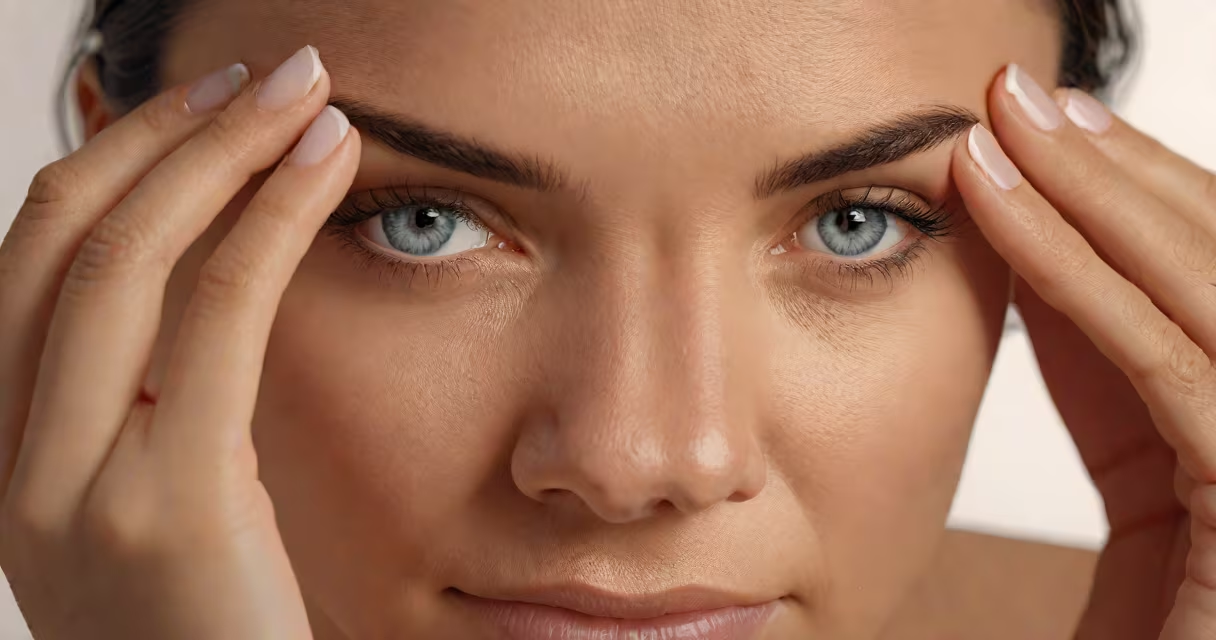
pain relief for eyes refers to targeted interventions that reduce discomfort caused by eye strain, dryness, irritation, or underlying conditions such as blepharitis or conjunctivitis. These methods aim to restore comfort and prevent long-term damage.
Eye pain arises from multiple sources. Digital screen use causes 70% of adult eye strain cases, according to the American Optometric Association. Dry eye syndrome affects 16 million Americans annually, leading to burning, grittiness, and blurred vision. Other triggers include allergies, infections, and improper contact lens wear.
Effective pain relief for eyes addresses root causes. Artificial tears lubricate dry eyes. Cold compresses reduce inflammation from fatigue or allergies. Limiting screen time and following the 20-20-20 rule (every 20 minutes, look 20 feet away for 20 seconds) cuts eye strain by 40% in clinical trials.
The eye's surface contains nerve endings sensitive to temperature, pressure, and chemical changes. When exposed to blue light, dust, or low humidity, these nerves fire pain signals. Relief methods interrupt this cycle through physical or biochemical action.
Lubricants like preservative-free artificial tears mimic natural tear composition. They stabilize the tear film, reducing friction between the eyelid and cornea. A 2021 study in *Cornea* found that patients using hyaluronan-based drops reported 58% less discomfort after four weeks compared to placebo.
Cold therapy constricts blood vessels and slows nerve transmission. Applying a chilled cloth to closed eyes for five minutes reduces swelling and numbs mild pain. This method is particularly effective for post-surgical recovery or allergic reactions.
Relief strategies fall into three categories: mechanical, chemical, and behavioral. Each targets different mechanisms of discomfort.
| Type | Examples | Best For | Effect Duration |
|---|---|---|---|
| Mechanical | Warm compresses, eyelid scrubs | Blepharitis, blocked glands | 30-60 min |
| Chemical | Artificial tears, antihistamine drops | Dryness, seasonal allergies | 1-4 hours |
| Behavioral | Screen breaks, blinking exercises | Computer vision syndrome | Variable |
Warm compresses improve meibomian gland function. Applying heat for 5-10 minutes daily increases oil secretion, preventing tear evaporation. Eyelid scrubs remove debris and bacteria that contribute to chronic irritation.
Antihistamine eye drops like olopatadine reduce itching and redness from allergic conjunctivitis. A double-blind trial showed a 72% reduction in symptoms after one week of twice-daily use.
People use pain relief for eyes during prolonged screen exposure, travel, or seasonal changes. Office workers report higher incidence due to continuous focus on high-resolution displays. The average office worker spends 6.5 hours daily on screens, increasing risk of visual fatigue.
Post-laser eye surgery patients rely on prescribed drops to manage pain and prevent infection. Dry eye often worsens with age. By age 65, 30% of people experience moderate to severe dry eye symptoms requiring intervention.
Non-prescription options are widely available. Over-the-counter artificial tears cost $5-$12 per bottle and are safe for daily use. However, some contain preservatives that may irritate sensitive eyes. Choose preservative-free formulations if using more than four times a day.
Many assume that eye pain always indicates a serious condition. In reality, 80% of eye discomfort stems from environmental factors like screen glare or low humidity, not disease. Persistent pain requires evaluation, but occasional strain doesn't mean pathology.
Some believe that eye drops with "redness relief" ingredients are safe for long-term use. Decongestants like tetrahydrozoline shrink blood vessels but can cause rebound redness after 3-5 days. The FDA warns against using them longer than recommended.
A 34-year-old graphic designer experienced daily eye pain after working 10-hour shifts. Symptoms included burning, difficulty focusing, and headaches. She had no history of eye disease.
She began using preservative-free artificial tears every two hours while working. She set a timer for 20-20-20 breaks. After one week, her discomfort dropped from 8/10 to 3/10 on a pain scale. Her productivity improved, and she stopped relying on over-the-counter painkillers.
This case reflects findings from a 2023 study in *Optometry and Vision Science*. Participants who combined blink training with lubricant use reduced eye strain by 61% over six weeks.
Pain relief for eyes is temporary. If discomfort persists beyond a few days, worsens, or includes vision changes, consult an optometrist or ophthalmologist. Warning signs include photophobia, double vision, or sharp pain behind the eye.
Chronic pain may indicate glaucoma, uveitis, or optic neuritis. Early detection prevents irreversible damage. The National Eye Institute recommends annual eye exams for adults over 40, even without symptoms.
Understanding pain relief for eyes begins with recognizing that not all eye discomfort requires medication. Simple behavioral adjustments and targeted treatments offer lasting results without side effects.