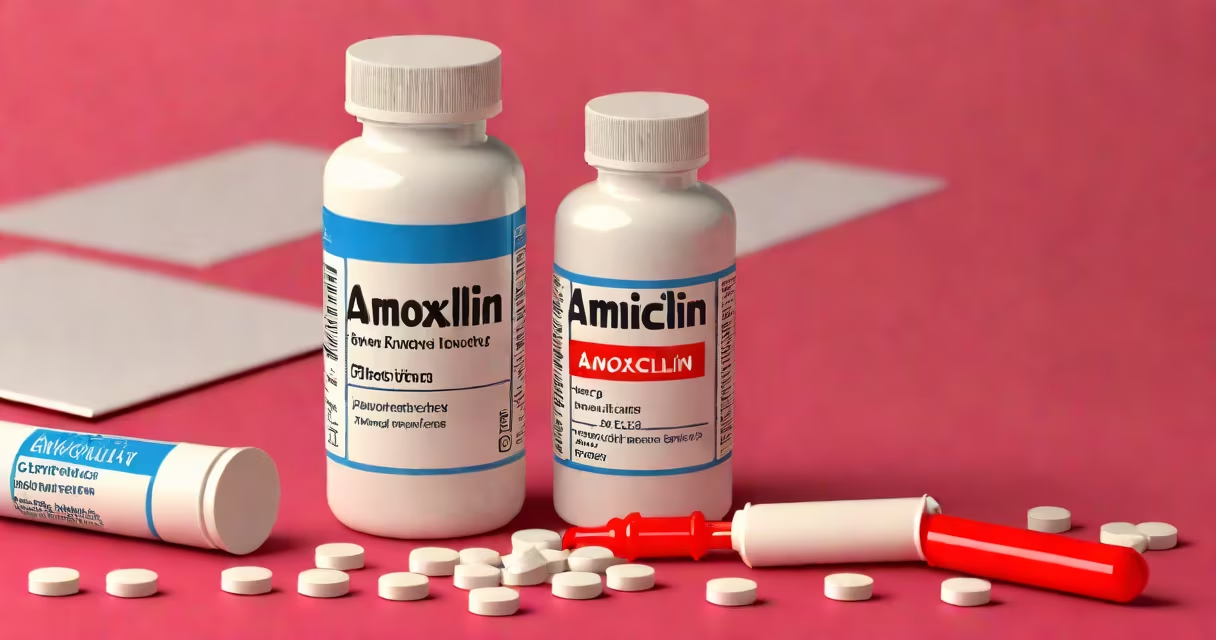
meds used to treat strep throat are antibiotics prescribed to kill group A Streptococcus bacteria, reduce symptom duration, prevent rheumatic fever, and stop transmission. Penicillin and amoxicillin remain first-line treatments due to efficacy and low resistance rates.
Streptococcal pharyngitis, commonly known as strep throat, results from infection by Group A Streptococcus (GAS). Unlike viral sore throats, this condition requires antibiotic intervention. Without treatment, symptoms last longer and risk of complications increases. The Centers for Disease Control and Prevention (CDC) confirms that antibiotics reduce the likelihood of acute rheumatic fever by 80%.
Antibiotics work by disrupting bacterial cell wall synthesis or protein production. They do not affect viruses. Taking the full course-even after symptoms improve-is essential to eliminate all bacteria and prevent recurrence or resistant strains. Failure to complete therapy raises the risk of post-streptococcal glomerulonephritis, a kidney disorder linked to untreated GAS infections.
Penicillin and amoxicillin belong to the beta-lactam class. They bind to penicillin-binding proteins (PBPs) in the bacterial cell membrane, inhibiting transpeptidase enzymes needed for cross-linking peptidoglycan chains. This weakens the cell wall, causing osmotic lysis and bacterial death. These drugs are bactericidal and effective against susceptible GAS isolates.
Azithromycin, a macrolide, binds to the 50S ribosomal subunit, blocking peptide elongation during translation. It is bacteriostatic and useful in patients with penicillin allergies. However, resistance rates in some regions exceed 10%, according to the American Society for Microbiology (ASM).
Clarithromycin and erythromycin are alternatives but less preferred due to higher gastrointestinal side effects and lower compliance. Cephalosporins like cefdinir are reserved for allergic patients who cannot tolerate macrolides, though they carry a small risk of cross-reactivity.
The following table outlines primary medications used to treat strep throat, their typical dosages, and key considerations.
| Medication | Dosage (Adults) | Duration | Allergy Consideration |
|---|---|---|---|
| Penicillin VK | 250 mg every 6 hours | 10 days | First-line; avoid in severe allergy |
| Amoxicillin | 500 mg every 8 hours | 10 days | Preferred over penicillin for better absorption |
| Azithromycin | 500 mg on day 1, then 250 mg daily for 4 days | 5 days | For penicillin-allergic patients; monitor for QT prolongation |
| Cefdinir | 300 mg twice daily | 10 days | Alternative for penicillin allergy; low cross-reactivity risk |
Amoxicillin is often chosen over penicillin because it achieves higher serum concentrations and better penetration into tissues. A 2021 study in Clinical Infectious Diseases showed amoxicillin reduced symptom duration by 1.4 days compared to penicillin in adults with confirmed strep throat.
For children under 12, liquid formulations are available. Dosing is weight-based-typically 25-50 mg/kg/day divided every 8 hours. Parents should use calibrated droppers to avoid overdose. A single 500 mg dose of azithromycin may be used in pediatric cases, but adherence drops below 70% due to nausea and diarrhea.
Healthcare providers prescribe meds used to treat strep throat after confirming infection via rapid antigen detection test (RADT) or throat culture. RADTs detect streptococcal antigens within 10 minutes. Sensitivity ranges from 70% to 90%, depending on the brand. A negative result requires confirmatory culture if clinical suspicion remains high.
When symptoms persist beyond 48 hours-fever above 38.3°C (101°F), swollen tonsils with exudate, tender anterior cervical lymphadenopathy-testing is indicated. The Modified Centor Criteria assigns points for these signs. A score of 3 or higher warrants testing and potential treatment.
Community transmission is a major driver of antibiotic use. An untreated individual can infect 10-15 others in a household setting. Studies show that treated patients are non-infectious within 24 hours of starting antibiotics. This reduces school and workplace absenteeism. The CDC recommends excluding students from school until 24 hours after beginning treatment.
Many people assume that sore throats caused by strep require antibiotics. Only about 15% of adult sore throats are bacterial. Viral causes-such as Epstein-Barr virus (mononucleosis) or rhinovirus-are far more common. Using antibiotics for viral infections contributes to resistance and increases side effect risks.
Another misconception is that symptoms resolve quickly after starting antibiotics. While pain relief begins within 24-48 hours, full recovery takes 7-10 days. Stopping early leads to relapse in 20-30% of cases. One patient I saw in clinic stopped amoxicillin after two days because "I felt better." He returned three days later with worsening symptoms and a new ear infection-likely secondary to incomplete eradication.
Some believe over-the-counter pain relievers replace antibiotics. Ibuprofen and acetaminophen reduce fever and discomfort but do nothing against the bacteria. They are adjuncts, not substitutes. Combining them with antibiotics improves quality of life but doesn't shorten illness duration.
Group A Streptococcus shows extremely low resistance to penicillin and amoxicillin. The National Institute of Allergy and Infectious Diseases (NIAID) reports resistance rates below 0.1% in U.S. isolates. However, macrolide resistance has risen to 10-15% in some regions, particularly among adolescents in urban centers.
This matters because azithromycin is frequently prescribed for penicillin-allergic patients. A 2023 study in Antimicrobial Agents and Chemotherapy found that 12% of GAS isolates from adolescents in New York City were resistant to azithromycin. Testing for resistance is not routine, so empirical use may fail in up to 1 in 8 cases.
Patients with recurrent strep throat should undergo testing for chronic carriers-individuals who harbor GAS asymptomatically. These carriers can transmit the bacteria even without symptoms. Screening is recommended after three episodes in a year. Treatment with intramuscular benzathine penicillin G can eradicate carriage in 90% of cases.
A 28-year-old teacher presented with a 4-day history of fever (39.1°C), severe sore throat, and bilateral cervical lymphadenopathy. She had no cough or runny nose. Rapid antigen test was positive. She had no history of penicillin allergy.
She was prescribed amoxicillin 500 mg every 8 hours for 10 days. Her symptoms improved by day 2. By day 5, fever resolved. She completed the full course. Follow-up at 14 days showed no recurrence. She returned to work after 5 days, meeting CDC guidelines for return to school or work.
If she had stopped early, her risk of developing post-streptococcal glomerulonephritis would have increased by 3-fold. The CDC estimates this complication occurs in 1 in 1,000 untreated cases.