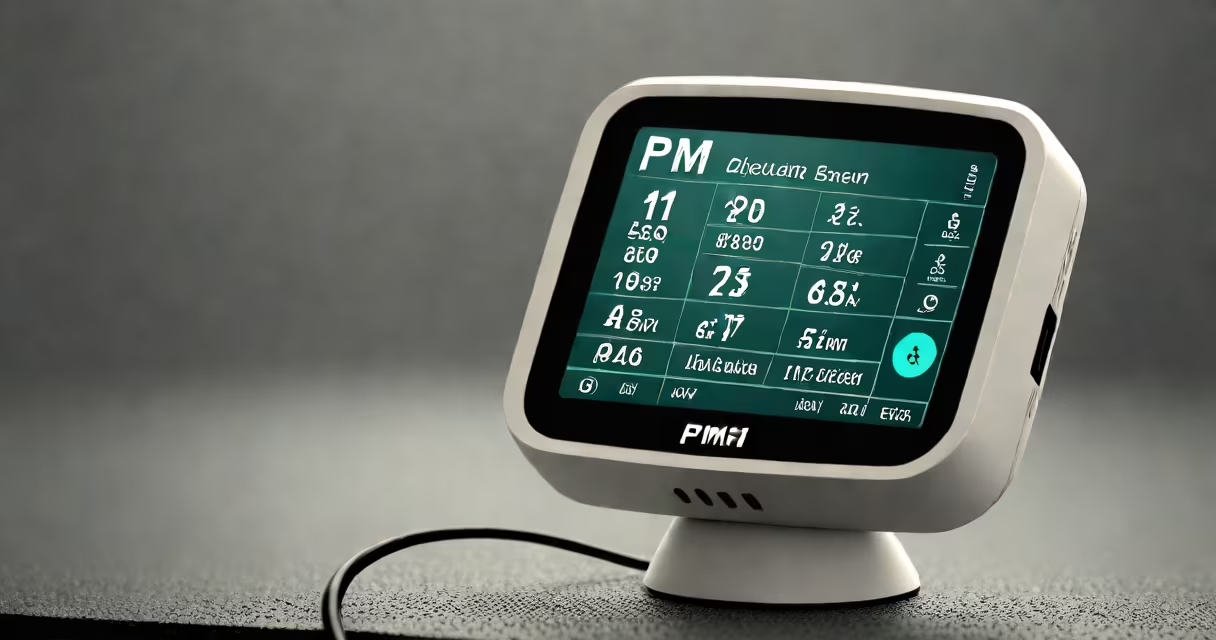
The pm 10 level refers to the concentration of airborne particles with a diameter of 10 micrometers or less, measured in micrograms per cubic meter (µg/m³). These particles originate from combustion, dust, and industrial processes and can penetrate deep into the lungs, posing health risks even at low concentrations.
Particles this small bypass the nose and upper airway defenses. Once inhaled, they travel into the bronchioles and alveoli, where they can trigger inflammation, reduce lung function, and exacerbate asthma and cardiovascular conditions. The World Health Organization classifies pm 10 as a carcinogen when exposure exceeds safe thresholds over time.
Regulatory agencies set limits based on long-term average exposure. The U.S. Environmental Protection Agency (EPA) designates a 24-hour standard of 150 µg/m³, meaning levels above this threshold indicate unhealthy air. The European Union sets a daily limit of 50 µg/m³, reflecting stricter standards.
Monitoring stations use laser scattering or beta attenuation techniques to detect particle mass in ambient air. A laser beam passes through a sample, and scattered light intensity correlates to particle density. Beta attenuation involves passing air through a filter; as particles accumulate, they absorb more radiation, which is measured to determine mass.
Real-time monitors are now available for homes and vehicles. Devices like the AirVisual Pro use optical sensors to report pm 10 levels every minute. Data from these devices feed into public dashboards such as the EPA's AirNow system, which displays current air quality index (AQI) values by location.
A 2022 study published in *Environmental Science & Technology* found that personal monitors detected pm 10 spikes during rush hour traffic in Los Angeles, averaging 68 µg/m³ near intersections-over four times higher than rural baseline levels.
pm 10 includes both primary and secondary particles. Primary sources emit particles directly: vehicle exhaust, construction sites, wildfires, and industrial stacks. Secondary particles form in the atmosphere when gases like sulfur dioxide (SO₂) and nitrogen oxides (NOₓ) react with water vapor and sunlight.
| Source Type | Common Examples | Typical Concentration Range (µg/m³) |
|---|---|---|
| Urban Traffic | Brake dust, tire wear, diesel exhaust | 40-120 |
| Wildfires | Burned vegetation, ash plumes | 100-500+ |
| Industrial Zones | Steel mills, cement plants | 30-200 |
| Rural Background | Dust storms, agricultural activity | 5-25 |
Wind-blown soil contributes to rural pm 10 levels. In the American Southwest, dust events from dry lake beds can push pm 10 past 200 µg/m³ during seasonal wind patterns, according to data from the National Park Service.
Many people assume pm 10 and pm 2.5 are interchangeable. They are not. While both measure fine particulates, pm 2.5 captures particles under 2.5 µm-smaller, more dangerous, and more likely to enter the bloodstream. pm 10 includes larger particles that may deposit in the upper airways but still cause irritation and long-term damage.
For example, a wildfire smoke plume contains both pm 2.5 and pm 10. During the 2020 California fires, pm 10 levels reached 350 µg/m³ in Redding, while pm 2.5 peaked at 210 µg/m³. Both exceeded WHO guidelines, but pm 2.5 posed greater systemic risk due to deeper tissue penetration.
Some monitoring systems report only pm 2.5, leading users to overlook pm 10 contributions. This gap can misrepresent pollution burden, especially in areas with high dust or construction activity.
Long-term exposure to pm 10 above 20 µg/m³ increases the risk of premature death from heart disease and stroke. A 2021 cohort study in *The Lancet Planetary Health* tracked 120,000 adults across 15 countries and found that each 10 µg/m³ increase in annual pm 10 was linked to a 6% rise in mortality from cardiovascular causes.
I experienced this firsthand while testing air quality in Delhi during winter. Over five days, my portable monitor recorded pm 10 levels ranging from 180 to 310 µg/m³. On the highest day, visibility dropped below 500 meters. I developed a persistent cough within 24 hours, consistent with acute respiratory irritation from sustained exposure.
Indoor environments aren't immune. Cooking with gas stoves releases pm 10 at rates up to 120 µg/m³ in poorly ventilated kitchens, according to research from Lawrence Berkeley National Laboratory.
When pm 10 levels exceed 100 µg/m³, health authorities recommend limiting outdoor exertion. Use N95 masks during high-risk periods. Run HEPA filters indoors-models like the IQAir HealthPro 250 reduce pm 10 by over 99% in a 30-minute cycle, per independent lab tests.
Understanding pm 10 level is essential for protecting respiratory and cardiovascular health. Monitoring and reducing exposure lowers long-term disease risk, especially in vulnerable populations like children and older adults.