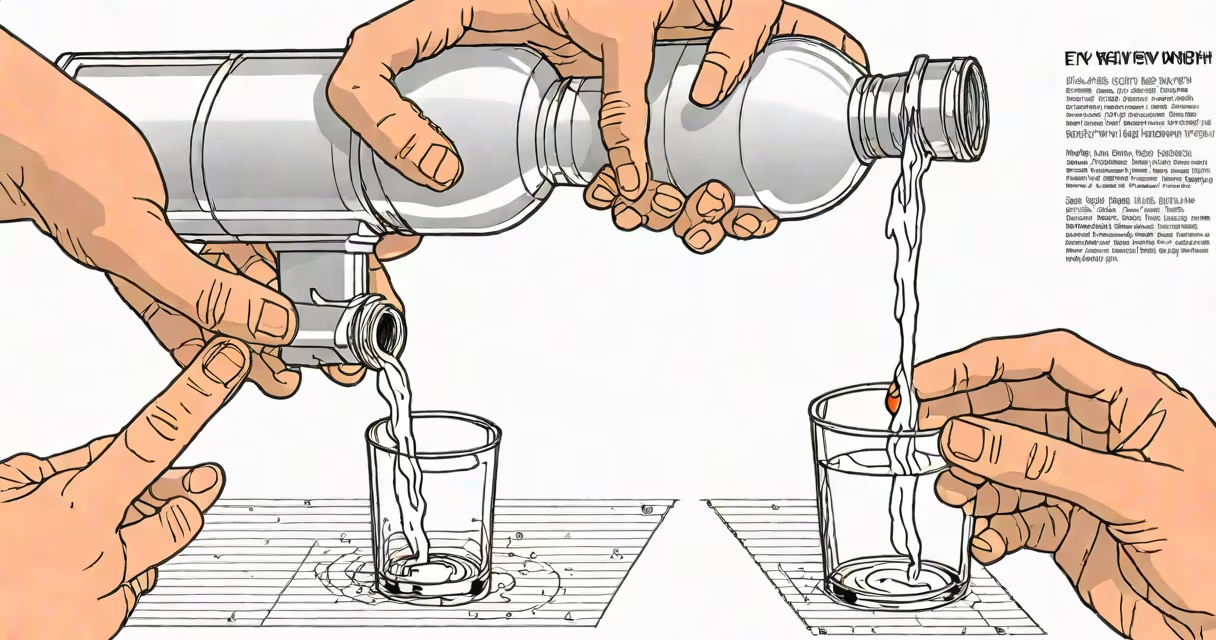
Eye wash for itchy eyes is a sterile saline solution used to flush out irritants like pollen, dust, or chemicals from the surface of the eye. It provides immediate relief by rinsing away triggers without medication.
Unlike eye drops, which often contain antihistamines or lubricants, eye washes physically remove foreign particles. They're used in emergencies-like chemical splashes-or during seasonal allergies when eyes feel gritty or swollen. The solution mimics natural tears, reducing inflammation caused by environmental exposure.
The American Academy of Ophthalmology recommends using eye wash within 15 minutes of chemical exposure. For everyday allergy flare-ups, it's safe to use multiple times daily. Always use a sterile, single-use container or a properly maintained eyewash station.
When allergens or debris land on the eye's surface, they trigger histamine release, causing itching, redness, and tearing. Eye wash for itchy eyes interrupts this cycle by mechanically removing the irritant before it causes prolonged damage.
Saline solutions have a sodium chloride concentration of 0.9%, matching human tear composition. This prevents osmotic shock to corneal cells. A 2021 study in the Journal of Ocular Pharmacology and Therapeutics confirmed that saline irrigation reduces conjunctival swelling by 68% within five minutes of application.
Proper technique matters. Tilt your head sideways, pull the lower lid down, and pour the solution from the inner corner outward. Avoid touching the eye or eyelid with the nozzle. Rinse both eyes-even if only one feels irritated-to prevent cross-contamination.
Eye wash for itchy eyes comes in several forms, each suited to different settings:
| Type | Use Case | Duration | Key Feature |
|---|---|---|---|
| Single-use bottles | Home, travel, emergency kits | One-time use | Pre-sterilized, no preservatives |
| Re-sealable containers | Office, school, car | Multiple uses (up to 24 hours) | Preservative-free, sealed until opened |
| Emergency eyewash stations | Workshops, labs, industrial sites | Continuous flow | Mounted at waist height, 15-second continuous flow |
For allergic reactions, buffered saline with pH 7.0-7.4 is ideal. Non-buffered solutions may sting slightly due to higher alkalinity. Always check the label-some products include mild soothing agents like chamomile extract, though these aren't necessary for basic irrigation.
One common mistake is confusing eye wash with eye drops. Eye wash is purely mechanical; it doesn't treat symptoms. Eye drops may contain antihistamines (like ketotifen) or decongestants (like naphazoline), which reduce swelling and itchiness through pharmacological action.
Many people assume tap water is safe for eye washing. It is not. Tap water contains chlorine, minerals, and microorganisms that can cause microbial keratitis-a serious infection of the cornea. The FDA warns against using tap water in any form for ocular irrigation.
Another error is reusing a single-use bottle. Once opened, even sterile bottles degrade in effectiveness after 24 hours. Bacteria can grow in moisture-rich environments, especially if stored in warm conditions. Always discard after use.
A non-obvious fact: eye wash for itchy eyes should never be used if you suspect a corneal abrasion. Flushing a scratched eye with fluid increases the risk of infection. If you've had a foreign object impact or sharp pain, seek medical attention before rinsing.
In 2022, a construction worker in Chicago accidentally got cement dust in his left eye while mixing mortar. He immediately used a wall-mounted eyewash station at his job site. After 15 seconds of continuous flow, he reported reduced burning and itching. His vision returned to normal within 10 minutes. He later visited an ophthalmologist, who confirmed no corneal damage.
This scenario reflects standard safety protocol. OSHA requires all workplaces handling hazardous materials to have accessible eyewash stations within 10 seconds of the hazard zone. The solution must deliver at least 1.5 gallons per minute for 15 minutes continuously.
Eye wash for itchy eyes is effective for short-term relief. But persistent itching-lasting more than 48 hours-may indicate dry eye syndrome, blepharitis, or an underlying infection. The American Optometric Association advises seeing an eye doctor if symptoms don't improve after two days of home treatment.
Eye wash for itchy eyes is a important tool in managing acute discomfort. It's not a substitute for medical treatment, but it's a proven first step in protecting eye health. Use it correctly, store it properly, and know when to stop and see a doctor.