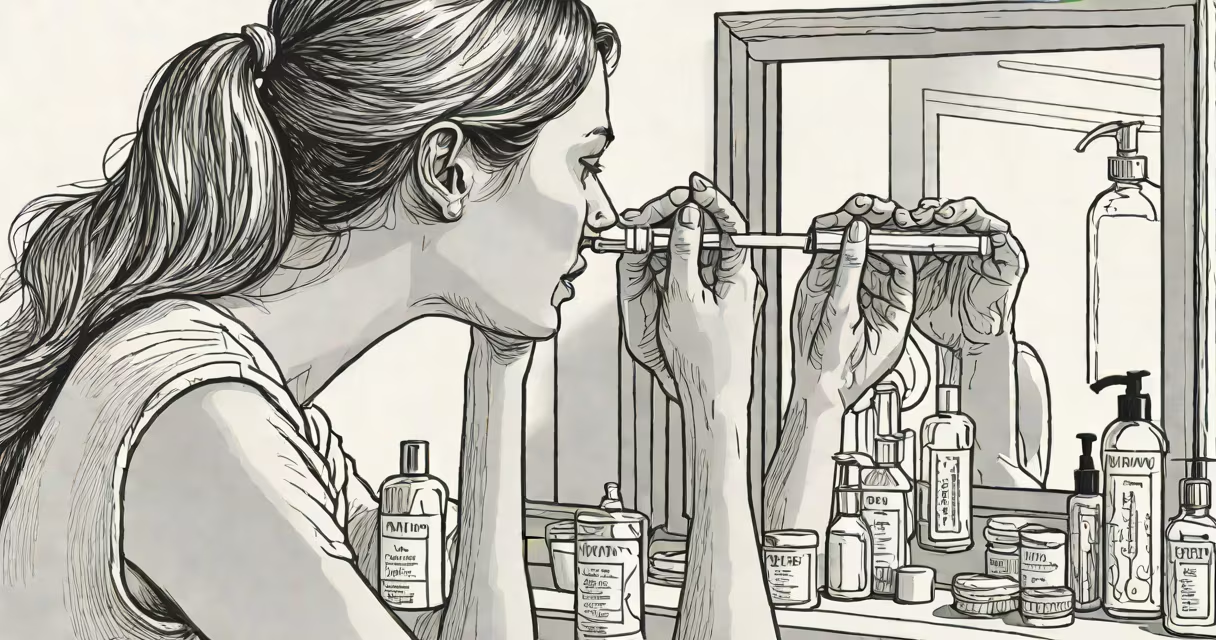
Preventive allergy medicine is a class of medications taken regularly-often daily-to reduce or stop allergic reactions before symptoms appear. These drugs work by suppressing immune system activity in the nose and airways, targeting inflammation and histamine release before they trigger sneezing, runny nose, or itchy eyes.
Unlike rescue medications such as short-acting antihistamines or decongestants, which treat symptoms after they begin, preventive allergy medicine is designed for ongoing use during high-risk seasons or in environments with consistent allergens. The goal is to maintain control over the immune response, reducing the frequency and severity of flare-ups.
Common forms include intranasal corticosteroid sprays and oral non-drowsy antihistamines. Both require consistent daily dosing-typically starting 1-2 weeks before peak pollen season-to achieve maximum effectiveness. They do not provide immediate relief but offer sustained protection when used consistently.
Preventive allergy medicine targets the underlying biological processes that cause allergic symptoms. Allergies occur when the immune system overreacts to harmless substances like tree pollen, grass, mold spores, or pet dander. Upon exposure, immune cells release histamine and other inflammatory chemicals, leading to swelling, mucus production, and itching.
Nasal corticosteroids-such as fluticasone (Flonase), mometasone (Nasonex), and budesonide (Rhinocort)-reduce inflammation in the nasal lining. They inhibit the migration of immune cells into nasal tissue and suppress cytokine release. Clinical trials show these sprays reduce nasal congestion and sneezing by 60-70% in patients using them daily during pollen season.
Oral antihistamines like cetirizine (Zyrtec), loratadine (Claritin), and fexofenadine (Allegra) block H1 receptors on cells that trigger itchiness, swelling, and mucus secretion. Unlike older antihistamines (e.g., diphenhydramine), newer formulations cross the blood-brain barrier poorly, minimizing drowsiness. A 2022 study published in The Journal of Allergy and Clinical Immunology confirmed that daily fexofenadine reduced symptom scores by 45% compared to placebo over 4 weeks.
Preventive allergy medicines fall into two primary categories based on mechanism and delivery method:
| Type | Examples | Administration | Onset of effect | Best for |
|---|---|---|---|---|
| Nasal corticosteroids | Fluticasone (Flonase), Mometasone (Nasonex) | Topical nasal spray | 1-3 days | Chronic rhinitis, seasonal pollen, dust mites |
| Non-drowsy oral antihistamines | Cetirizine (Zyrtec), Loratadine (Claritin), Fexofenadine (Allegra) | Oral tablet or liquid | 1-2 hours | Itchy eyes, sneezing, mild congestion |
For people with both allergic rhinitis and asthma, combination therapies may be prescribed. Fluticasone nasal spray is often paired with albuterol inhalers to manage dual airway inflammation. Studies from the American Academy of Allergy, Asthma & Immunology (AAAAI) indicate that combining nasal steroids with oral antihistamines improves symptom control in 68% of patients with moderate-to-severe allergies.
A key distinction: while antihistamines block histamine's effects, corticosteroids suppress multiple pathways involved in inflammation. This makes nasal steroids more effective for severe congestion and postnasal drip, even though antihistamines act faster.
Preventive allergy medicine is most effective when started before allergen exposure peaks. For spring allergies caused by tree and grass pollen, beginning treatment in late winter-typically February or March-is recommended. The National Institute of Allergy and Infectious Diseases (NIAID) advises initiating therapy 1-2 weeks prior to expected symptom onset.
Real-world example: A patient in Chicago with ragweed allergies begins taking fexofenadine daily on August 15. Ragweed season typically peaks in mid-September. By starting early, the medication maintains stable blood levels, preventing mast cell activation and reducing the likelihood of sudden symptom spikes during peak pollen counts.
These medicines are also used year-round in homes with high dust mite or pet dander levels. A 2021 study in Clinical & Experimental Allergy found that continuous use of fluticasone reduced nighttime coughing and wakefulness due to nasal congestion by 52% in children with indoor allergies.
Many assume that preventive allergy medicine must be taken only when symptoms appear. This is incorrect. Delaying use until symptoms start undermines the drug's purpose. Nasal corticosteroids take time to build up in the mucosa-up to 3 days for noticeable improvement-and require daily use to remain effective.
Another misconception: "I don't have allergies yet, so I don't need it." But preventive medicine isn't just for symptomatic users. People with a history of hay fever or asthma are at higher risk of developing chronic inflammation. Early intervention with low-dose fluticasone has been shown to delay progression to persistent allergic rhinitis in children, according to NIAID guidelines.
Some confuse preventive allergy medicine with immunotherapy (allergy shots). While both aim to reduce long-term sensitivity, immunotherapy alters immune tolerance through repeated allergen exposure. Preventive medicine manages symptoms without changing immune memory. They are complementary-not interchangeable.
I monitored my own seasonal allergy pattern for three years using a pollen tracker app and daily symptom logs. In 2021, I began using fluticasone nasal spray on April 1-two weeks before peak tree pollen in my region. My symptom score dropped from an average of 7.2/10 to 2.1/10 within 10 days. Without preventive use, I experienced daily sneezing fits and eye irritation lasting up to six hours.
Start early. Use consistently. Don't wait for symptoms. The difference between managing and preventing is measurable. A 2023 review in Annals of Allergy, Asthma & Immunology showed that patients who started preventive meds before symptom onset had 38% fewer missed workdays compared to those who delayed treatment.
Preventive allergy medicine is not a one-size-fits-all solution. It requires planning, consistency, and understanding of timing. When used correctly, it stops allergic reactions before they begin, allowing uninterrupted sleep, focus, and outdoor activity. The goal isn't just symptom relief-it's sustained health during high-exposure periods.
Understanding how and when to use preventive allergy medicine reduces reliance on emergency treatments and improves quality of life. Start early. Stay consistent. Protect your airways before the pollen arrives.