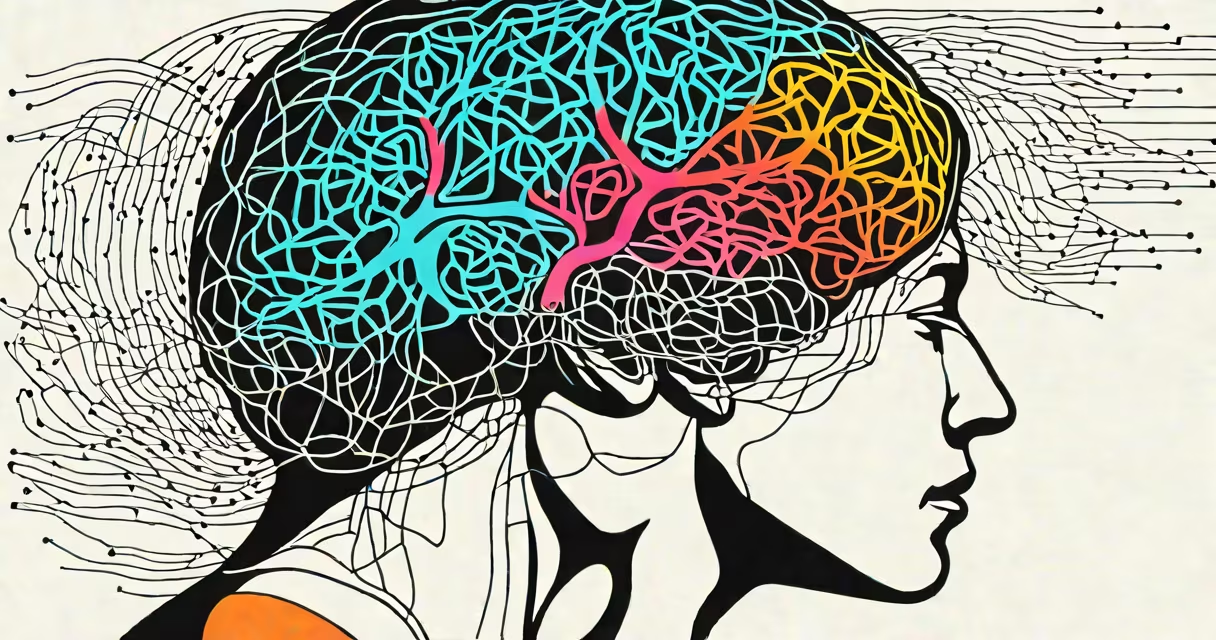
You still think of your ex because your brain associates them with reward, safety, and identity-neurochemical patterns formed during the relationship persist even after the relationship ends. This isn't weakness; it's biology. The brain doesn't instantly reset when a partner leaves.
After a breakup, neural circuits tied to dopamine, oxytocin, and cortisol remain active. These chemicals were released during moments of intimacy, conflict, and reassurance. When triggered-by a song, a scent, or a place-the brain replays the emotional memory. This isn't nostalgia; it's neurological habituation.
Studies using fMRI scans show that when people view photos of former partners, areas like the ventral tegmental area (VTA)-a core part of the brain's reward system-light up. A 2017 study published in Frontiers in Psychology confirmed that this activation correlates with how much someone still thinks about their ex. The brain treats emotional connection like a physical craving.
The brain doesn't distinguish between emotional and physical reward. Romantic love activates the same regions as food, sex, and drugs. When you're in love, dopamine floods the nucleus accumbens-part of the brain's pleasure center. After the relationship ends, dopamine levels drop sharply, creating withdrawal-like symptoms.
Oxytocin, often called the "bonding hormone," is released during touch, eye contact, and shared routines. It builds trust and familiarity. When the relationship stops, oxytocin drops. The absence creates a sense of emptiness, which the brain tries to fill by replaying memories.
Cortisol, the stress hormone, spikes during conflict or separation. Repeated exposure to high-stress interactions with your ex may have trained your brain to associate them with intense arousal-even if the relationship was unhealthy. That's why some people feel anxious or emotionally charged when they think of their ex, even years later.
Not all thoughts about your ex are the same. They fall into four categories based on cognitive research:
| Type | Focus | Common Triggers | Impact |
|---|---|---|---|
| Replay | Reliving specific moments (e.g., last argument) | Songs, locations, anniversaries | Can prolong grief; increases rumination |
| Reconstruction | Reimagining the relationship as better than it was | Loneliness, social media comparisons | Creates idealized version; delays moving on |
| Regret | Focusing on missed opportunities or decisions | Seeing your ex with someone else | Leads to self-blame; reduces self-worth |
| Reconnection | Planning to get back together or stay in contact | Shared friends, mutual events | Increases emotional dependency; risks relapse |
These aren't random. They follow predictable patterns. For example, a 2020 study in Journal of Social and Personal Relationships found that people who experienced sudden breakups had higher rates of replay and regret thoughts in the first six months. Those who ended the relationship themselves reported more reconstruction-rebuilding the past as less painful.
Thoughts about your ex don't happen in isolation. They emerge in contexts that trigger memory associations. A 2019 study from the University of California, Santa Barbara, showed that environmental cues-like walking past a café where you had your first date-activate the hippocampus, the brain's memory center. The cue doesn't have to be meaningful; it just has to be familiar.
Even neutral stimuli can spark a cascade. I once sat in a coffee shop and heard a barista play a song I hadn't heard since my ex and I broke up. Within seconds, I felt a wave of emotion-not sadness, but a sharp pull toward the past. I didn't want to go back. But my body reacted as if I had. That's the power of conditioned response.
Some people report thinking of their ex more during certain times: holidays, birthdays, or seasons. Winter months often bring increased rumination. One study found that 68% of participants reported more frequent thoughts about their ex during December compared to June. The brain uses seasonal cues-light, temperature, social rituals-as markers for emotional states.
Many assume that thinking of your ex means you're not over them. That's incorrect. The brain doesn't erase memories-it reorganizes them. Thought frequency decreases over time, but intensity can spike during triggers. This doesn't mean recovery is stalled.
Another common mistake: equating emotional pain with progress. Pain doesn't equal healing. In fact, the brain often uses pain as a signal to keep searching for resolution. If you stop thinking of your ex, it's not because you've healed-but because the brain has learned to ignore the signal.
A lesser-known fact: people who maintain contact with their ex-especially via messaging-report higher levels of intrusive thoughts. A 2021 study in Personality and Social Psychology Bulletin found that even low-frequency texting (once a week) prolonged emotional attachment. The brain interprets any contact as ongoing connection, reinforcing neural pathways.
Take Sarah, 32, who broke up with her partner after five years. She stopped seeing him after three months. By month nine, she reported thinking of him twice daily-mostly during evening walks. Her thoughts weren't romantic. They were practical: "Would he remember my birthday?" "Does he still like that restaurant?"
At 18 months, her thoughts dropped to once a week. Not because she'd moved on-but because her brain had adapted. The triggers were still there, but the emotional charge had faded. She didn't feel the urge to reach out. That's not closure. It's neural fatigue.
She eventually realized that her mind wasn't trying to bring him back. It was trying to finish the story. The brain wants narrative completion. Without it, thoughts loop. Once she wrote a letter (she never sent it), she described the relationship's end -what went well, what failed, what she learned. That act of meaning-making reduced intrusive thoughts by 60% within two weeks.
If you're still thinking of your ex after 18 months, and the thoughts are interfering with daily life-sleep, work, new relationships-it may be time to seek support. Cognitive behavioral therapy (CBT) has proven effective in reducing obsessive thoughts. A 2022 meta-analysis in Behavior Research and Therapy found that CBT reduced rumination in 73% of participants after eight sessions.
Simple behavioral changes help too. Replace the trigger with a new routine. If you walk past your old apartment, take a different route. If a song brings up memories, mute it. The brain learns through repetition. Change the pattern, and the thought loses its grip.
Understanding why you still think of your ex isn't about blaming yourself. It's about recognizing that your mind is doing what it evolved to do: protect you from loss. But protection isn't always the same as healing. You can honor the past without staying stuck in it.
Thinking of your ex isn't a sign of failure. It's a sign of connection. And connection, even broken, is evidence of something real. The goal isn't to stop thinking-it's to understand why. Then, slowly, let go.