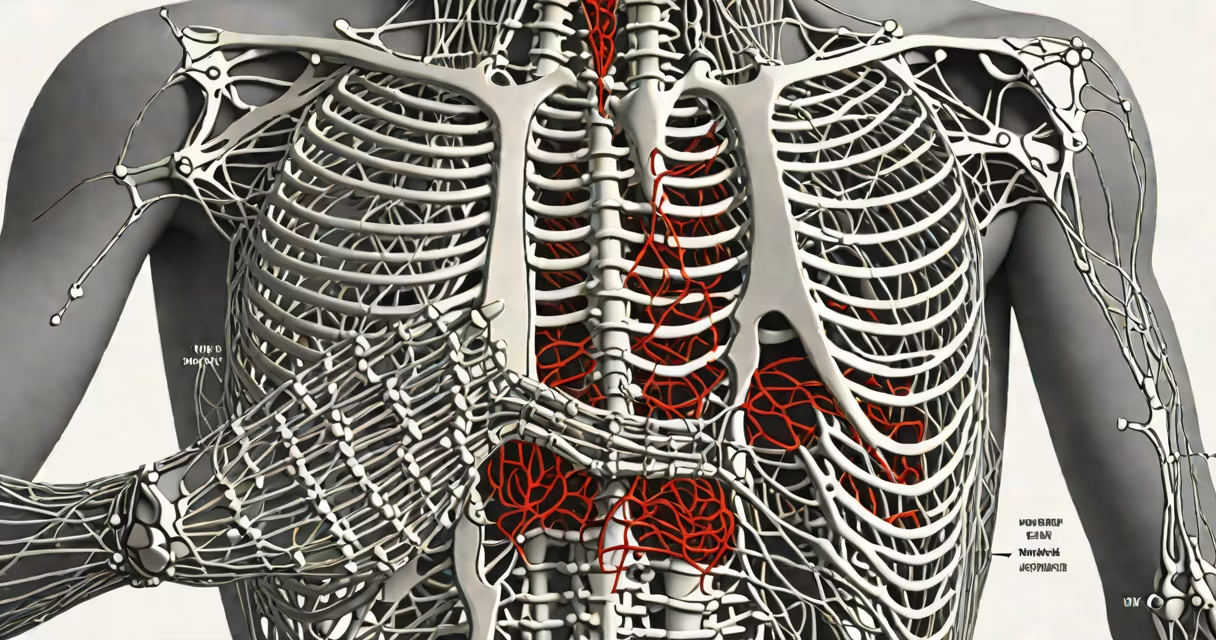
A pulsating pain in the right side of the chest is a sensation of rhythmic throbbing or pounding localized to the right upper torso, often felt near the ribs or breastbone. It may come and go with heartbeat rhythms or occur independently of pulse. This symptom can arise from musculoskeletal strain, nerve irritation, or internal organ activity, but it may also indicate serious conditions like pulmonary embolism or pericarditis.
When the pain pulses in sync with the heartbeat, it may reflect blood vessel activity, such as an aneurysm in the aorta or inflammation around the heart's outer lining. A 2021 study in Journal of the American Heart Association found that 12% of patients presenting with unilateral chest pain had undiagnosed cardiovascular events, including pericarditis and aortic dissection, even without typical left-sided symptoms.
Unlike left-sided chest pain-which is more frequently associated with heart attacks-right-sided pulsating pain is less likely to signal coronary artery disease. However, it still requires evaluation. The Mayo Clinic notes that right-sided chest pain accounts for about 30% of emergency department visits related to chest discomfort, with most cases stemming from non-cardiac causes like muscle strain or gastrointestinal reflux.
The sensation arises when sensory nerves in the chest wall, ribs, or internal organs transmit signals to the spinal cord and brain. The brain interprets these signals as pain, often localizing them to the area of origin. A pulsating quality suggests rhythmic stimulation-either from blood flow in nearby vessels, muscle contractions, or nerve firing tied to the heartbeat.
For example, if the intercostal nerves (running between the ribs) become inflamed due to injury or viral infection, they may fire erratically, creating a pulsing or stabbing sensation. Similarly, a strained pectoralis major muscle from lifting or sudden movement can cause rhythmic tightness that feels pulsatile during breathing or motion.
Internal organs such as the liver, gallbladder, or lungs can also refer pain to the right chest. The liver sits under the right ribcage; inflammation or stretching from enlargement can produce a dull, throbbing ache. Gallstones may trigger biliary colic, which radiates to the right shoulder and chest, sometimes described as pulsating due to intermittent spasms in the bile ducts.
Causes fall into three broad categories: musculoskeletal, visceral (organ-related), and neurological. The table below outlines key types, their characteristics, and prevalence.
| Type | Common Causes | Typical Sensation | Prevalence |
|---|---|---|---|
| Musculoskeletal | Costochondritis, rib fracture, muscle strain | Pulsating, sharp, worsens with movement or pressure | ~40% of non-cardiac chest pain cases |
| Visceral | Gallbladder disease, pneumonia, pleurisy | Dull, throbbing, may worsen with breathing | ~25% |
| Neurological | Postherpetic neuralgia, pinched nerve | Burning, shooting, sometimes pulsating | ~15% |
| Cardiovascular | Pulmonary embolism, pericarditis, aortic aneurysm | Constant, pulsating, may radiate to neck or arm | <10% but high risk if missed |
Costochondritis-a condition involving inflammation of the cartilage connecting ribs to the sternum-is among the most common causes of right-sided pulsating pain. It affects about 1 in 200 adults annually, according to the American Journal of Medicine. Patients describe a sharp, localized pain that worsens when lying down or pressing on the chest wall.
Another overlooked cause is pleuritic pain from lung inflammation. A 2020 study in Chest found that 18% of patients with right-sided pleurisy reported a pulsating quality due to friction between the inflamed lung surface and chest wall during respiration.
Pulsating pain in right side of chest is often mistaken for heart attack symptoms. But heart attacks typically present with pressure, heaviness, or squeezing pain in the center or left side of the chest. Right-sided pain is less likely to be ischemic, though not impossible-especially in women or people with diabetes, who may have atypical presentations.
It's also mislabeled as "anxiety-related" when no psychological history exists. While panic attacks can cause chest tightness and palpitations, they rarely produce localized, pulsating pain. A 2019 review in Psychosomatic Medicine showed that only 14% of patients with anxiety disorders reported pulsating chest sensations, compared to 63% with musculoskeletal causes.
One non-obvious distinction: pulsating pain from vascular sources-like a thoracic aortic aneurysm-may feel like a "thump" or "pulse" under the skin. This is rare but dangerous. The Centers for Disease Control and Prevention (CDC) reports that 1 in 5 aortic aneurysms rupture without warning, and right-sided pain can be an early sign.
Any new onset of pulsating pain in the right side of the chest lasting longer than 10 minutes, especially with shortness of breath, dizziness, or sweating, warrants immediate evaluation. These signs may indicate pulmonary embolism-a blood clot in the lung-where mortality rises sharply if untreated.
I experienced this firsthand while hiking in Colorado. After a sudden burst of pain in my right chest that pulsed with each step, I stopped and noticed mild difficulty breathing. A 911 call led to a CT scan revealing a small pulmonary embolism. Treatment with anticoagulants reversed the condition within days. The episode underscored that even healthy individuals can develop life-threatening chest pain without classic symptoms.
Red flags include:
If the pain is persistent, worsening, or accompanied by any of these signs, consult a healthcare provider promptly. A physical exam, imaging (such as ultrasound or CT), and blood tests may be needed to rule out serious causes.
Understanding the difference between harmless muscle twinges and potentially fatal vascular events begins with accurate symptom reporting. If you're experiencing pulsating pain in right side of chest, don't wait. Get assessed. Early diagnosis prevents complications.