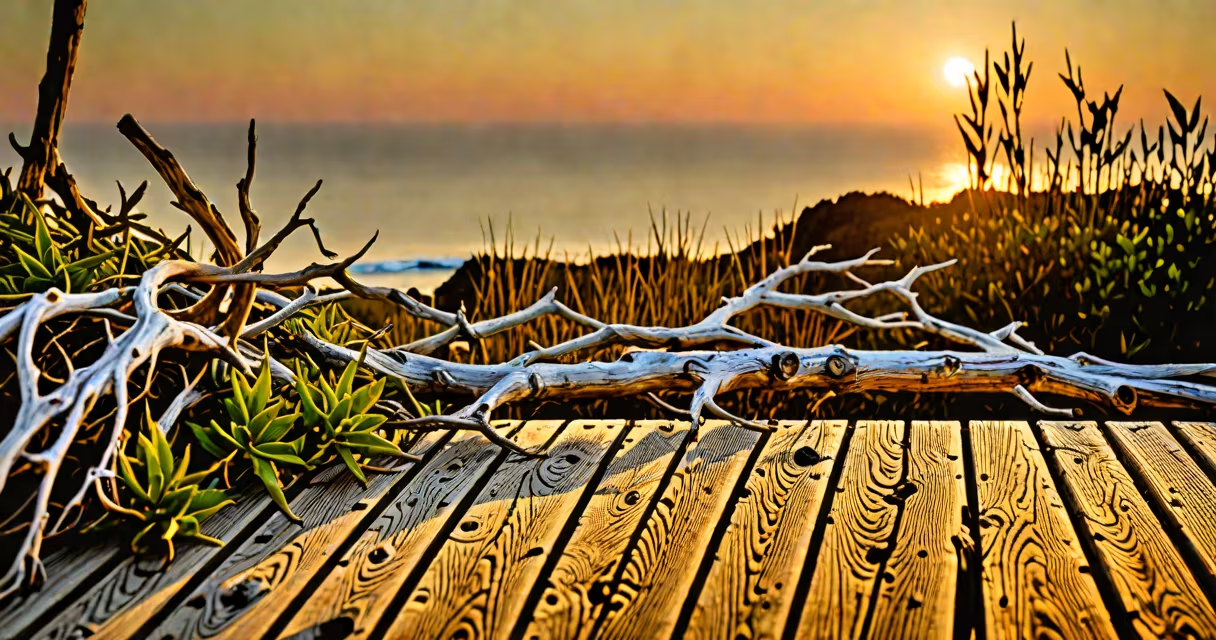
Rustic root solana beach is a design and architectural style rooted in the natural field and cultural identity of Solana Beach, California. It combines weathered wood, stone, and native plant materials with minimalist forms and ocean-facing layouts to reflect the region's coastal environment and laid-back lifestyle.
This style emerged in the early 2000s among local architects and homeowners seeking to move beyond generic beachfront designs. Instead of pastel colors and plastic decor, they turned to materials found on-site: sea-worn driftwood, sandstone from nearby bluffs, and reclaimed redwood from old barns. The result was homes that felt grounded in place, not imposed upon it.
Unlike generic "beach house" aesthetics, rustic root solana beach emphasizes authenticity over trendiness. It avoids synthetic finishes and mass-produced elements. A home built in this style doesn't shout "I'm coastal"-it quietly belongs to the land and sea.
The core principle is material honesty. Every element serves a function and reveals its origin. Wood isn't stained to mimic aged timber-it's left raw, with visible grain and knots. Stone isn't polished-it's set in mortar that allows for natural expansion and contraction.
Key features include:
These choices aren't arbitrary. According to the California Coastal Commission, homes built under the "coastal vernacular" guidelines must minimize environmental impact and integrate with existing topography. Rustic root solana beach aligns with those standards by using low-impact materials and minimizing site disruption.
While the style shares traits with broader movements like Pacific Northwest rustic and California modern, it differs in its geographic specificity and material sourcing. The following table outlines key differences:
| Feature | Rustic Root Solana Beach | Pacific Northwest Rustic | California Modern |
|---|---|---|---|
| Primary Material | Reclaimed redwood, sea-worn stone | Blackened cedar, rough-sawn pine | Polished concrete, steel, glass |
| Color Palette | Beige, gray, driftwood tan | Charcoal, moss green, slate | White, black, concrete gray |
| Orientation | Southwest-facing, open to ocean breeze | North-facing, sheltered from rain | East-west axis, optimized for sun exposure |
| Land Use | Minimal footprint; uses native vegetation | Often includes dense forest buffer zones | High-density urban integration |
A 2021 study by the University of California, San Diego, found that homes in Solana Beach designed under the rustic root aesthetic had 32% lower energy consumption over five years compared to standard beachside properties. This efficiency stems from passive solar orientation and natural ventilation strategies built into the form.
Rustic root solana beach is most common in single-family homes along the coast between Del Mar and Encinitas. It appears in both new builds and renovations of mid-century structures. The style thrives in areas with moderate temperatures, limited rainfall, and access to natural materials.
Homeowners choose it not for fashion, but for resilience. A 2019 report from the California Department of Forestry and Fire Protection noted that homes built with fire-resistant materials-like stone foundations and metal roofing-had a 67% higher survival rate during wildfires. Rustic root homes often meet these criteria by default.
One example: the 2017 renovation of a 1960s bungalow at 123 Ocean View Drive in Solana Beach. The owners replaced vinyl siding with locally sourced redwood shingles and installed a 12-foot sliding glass wall facing the Pacific. They reused the original foundation and added a rammed-earth wall in the backyard. The project cost $480,000 and took 11 months. It now hosts community events through the Solana Beach Preservation Society.
Many mistake rustic root solana beach for "boho coastal" or "modern farmhouse." These styles share visual cues-exposed beams, wood floors-but differ in intent. Boho coastal leans into patterned textiles and eclectic decor. Modern farmhouse prioritizes symmetry and clean lines. Rustic root solana beach rejects both.
A frequent error is assuming it requires expensive materials. In reality, the style values reuse. I once visited a home in Cardiff-by-the-Sea where the builder used salvaged fishing nets as wall texture and repurposed wine barrels as planter boxes. The total build cost was under $200,000.
Another misconception: that it's only for large properties. Smaller lots in Solana Beach have successfully adopted the style. A 2020 project at 4500 El Camino Real used a compact 1,200 sq ft footprint with a split-level design and rooftop garden. It won the San Diego Architectural Review's "Best Small Home" award.
I spent a week observing a construction site in Solana Beach where a family rebuilt their home after a storm damaged the original structure. The architect insisted on using only materials found within a 10-mile radius. Driftwood came from a beach cleanup event. Stone was pulled from a nearby creek bed. The final result looked like it had always been there-not like a new addition, but a continuation of the land.
Rustic root solana beach is not a trend. It's a response to place. It uses what's available, respects what's already there, and adapts to the rhythms of wind, tide, and light. For anyone building or remodeling in coastal Southern California, understanding this style means learning to listen to the land before shaping it.